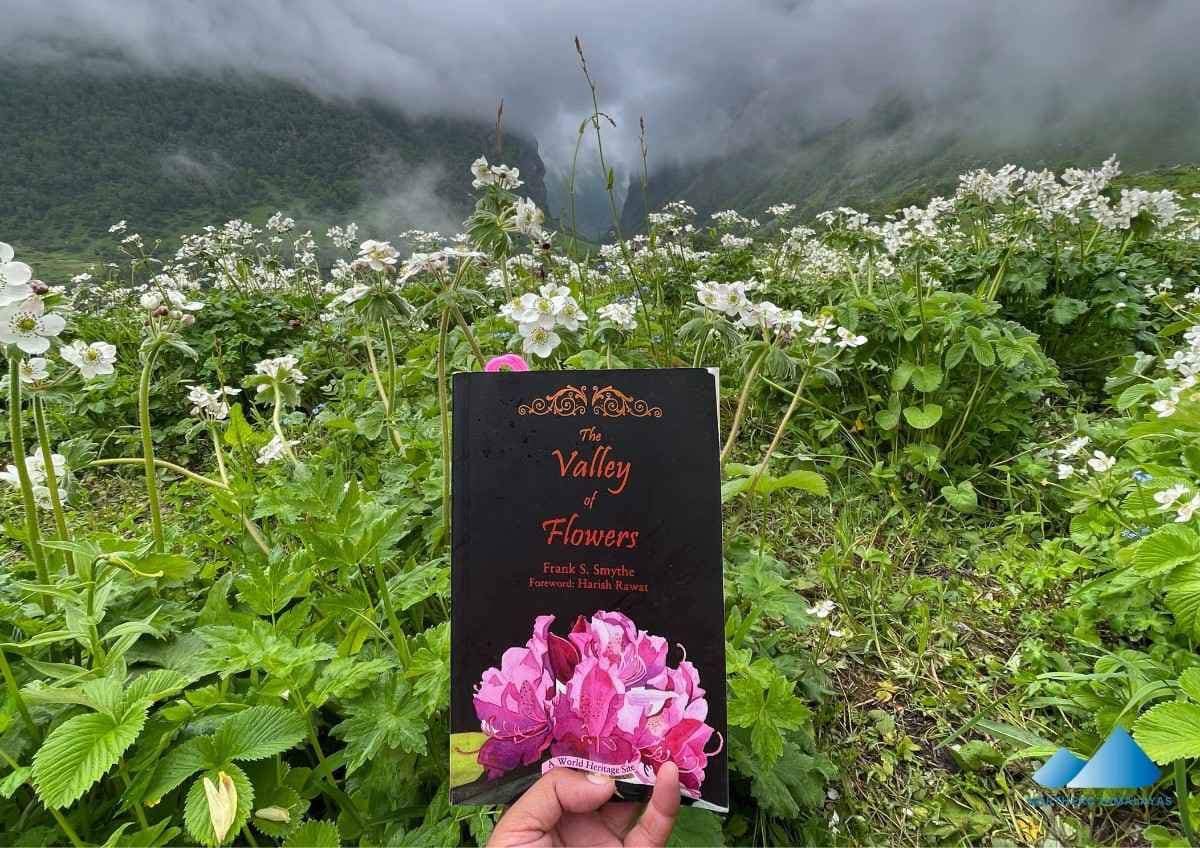
Valley of Flowers Trek Hemkund Sahib
Valley of Flowers Trek with Hemkund Sahib – A Blooming Paradise in the Himalayas
The Valley of Flowers Trek is one of the most beautiful Himalayan treks in India. Located in the Chamoli district of Uttarakhand, this world-famous trek takes you into the heart of the Valley of Flowers National Park, a UNESCO World Heritage Site known for its colorful alpine flowers, cascading waterfalls, glacier-fed streams, lush green valleys, and stunning Himalayan mountain views.
Unlike many Himalayan treks that focus on reaching a summit or crossing a high-altitude pass, the Valley of Flowers Trek is all about experiencing nature in its purest form. The trail passes through forests, stone-paved pathways, wooden bridges, rivers, waterfalls, and open valleys filled with thousands of blooming flowers during the monsoon season. The journey typically begins at Govindghat, continues through Pulna and Ghangaria, and finally reaches the Valley of Flowers. Many trekkers also combine this trek with a visit to Hemkund Sahib and Laxman temple, one of the highest Sikh pilgrimage and hindu pilgrimage sites in the world.
What makes this trek truly special is the experience it offers. Most Himalayan treks are known for snow-covered peaks and challenging climbs, but the Valley of Flowers presents a constantly changing landscape of vibrant flowers, mist-covered mountains, flowing streams, and green meadows. During the peak blooming season, the valley transforms into a giant natural garden where trekkers walk through endless fields of colorful flowers surrounded by towering Himalayan peaks. The peaceful atmosphere, fresh mountain air, and breathtaking scenery often lead visitors to describe the experience as "walking through heaven." Another reason for its popularity is that it is accessible to a wide range of people. While the trek involves several hours of uphill walking, it does not require technical climbing skills, making it suitable for beginners, families, photographers, and nature lovers with reasonable fitness.
The Valley of Flowers National Park is internationally recognized for its outstanding biodiversity and ecological importance. It was declared a National Park in 1982 and later received UNESCO World Heritage Site status in 2005 as part of the larger Nanda Devi Biosphere Reserve. Because of its ecological significance, the area is protected by strict environmental regulations. No permanent settlements, hotels, or shops are allowed inside the valley, and overnight camping within the national park is strictly prohibited. These measures help preserve the fragile ecosystem and allow visitors to experience the landscape in an almost untouched state.
The valley remained largely unknown to the outside world until 1931, when British mountaineer Frank Smythe accidentally discovered it while returning from a mountaineering expedition. Captivated by the incredible beauty of the area, he later wrote about it, bringing international attention to this hidden Himalayan paradise. Today, the valley is home to hundreds of species of rare alpine flowers, medicinal plants, birds, and wildlife. Many of these flowers bloom only during specific weeks of the monsoon season, which means the appearance of the valley changes throughout the trekking season.
In terms of difficulty, the Valley of Flowers Trek is generally considered moderate. The trail is well-defined and mostly stone-paved, but trekkers should be prepared for long uphill sections that require good cardiovascular fitness and stamina. The trek takes about 6 days from Rishikesh or Dehradun and back. The maximum altitude of the Valley of Flowers itself is approximately 3,658 meters (12,000 feet), while trekkers who also visit Hemkund Sahib reach an altitude of 4,633 meters (15,200 feet). Ghangaria serves as the main base camp where trekkers stay overnight, while Govindghat and Pulna act as the roadheads from where the actual trekking begins.
The best time to visit the Valley of Flowers is from July to early September, when the monsoon rains create ideal conditions for flowers to bloom across the valley. July brings fresh greenery and the first wave of flowers, August usually offers the peak blooming season with the greatest variety of colors, and early September provides fewer crowds along with clearer mountain views. This short seasonal window is what makes the Valley of Flowers Trek one of the most extraordinary and sought-after trekking experiences in the Indian Himalayas.
Quick information chart
|
Category |
Details |
|
Trek Name |
Valley of Flowers Trek |
|
Location |
Chamoli, Uttarakhand |
|
UNESCO Status |
World Heritage Site (2005) |
|
National Park |
Declared in 1982 |
|
Start Point |
Govindghat via Pulna |
|
Base Camp |
Ghangaria |
|
Difficulty |
Moderate |
|
Duration |
6 Days |
|
Valley Altitude |
3,658 m / 12,000 ft |
|
Hemkund Altitude |
4,633 m / 15,200 ft |
|
Best Time |
July to Early September |
|
Famous For |
Flowers, Waterfalls, Peaks, Biodiversity |
|
Discovered By |
Frank Smythe (1931) |
|
Suitable For |
Beginners with good fitness |