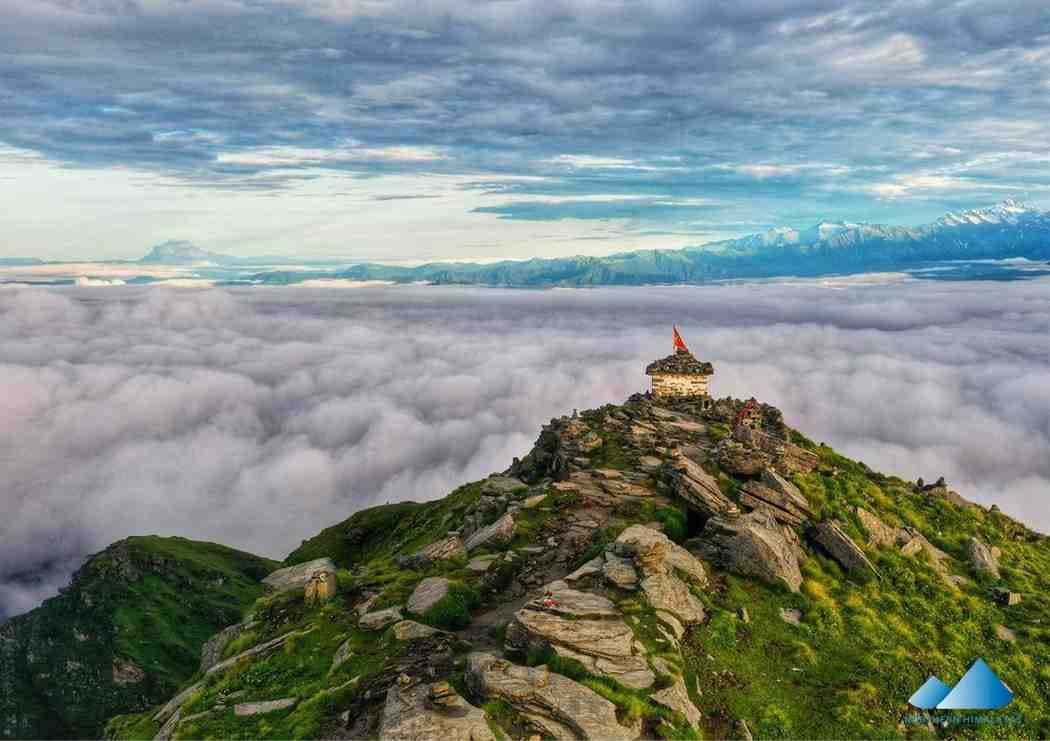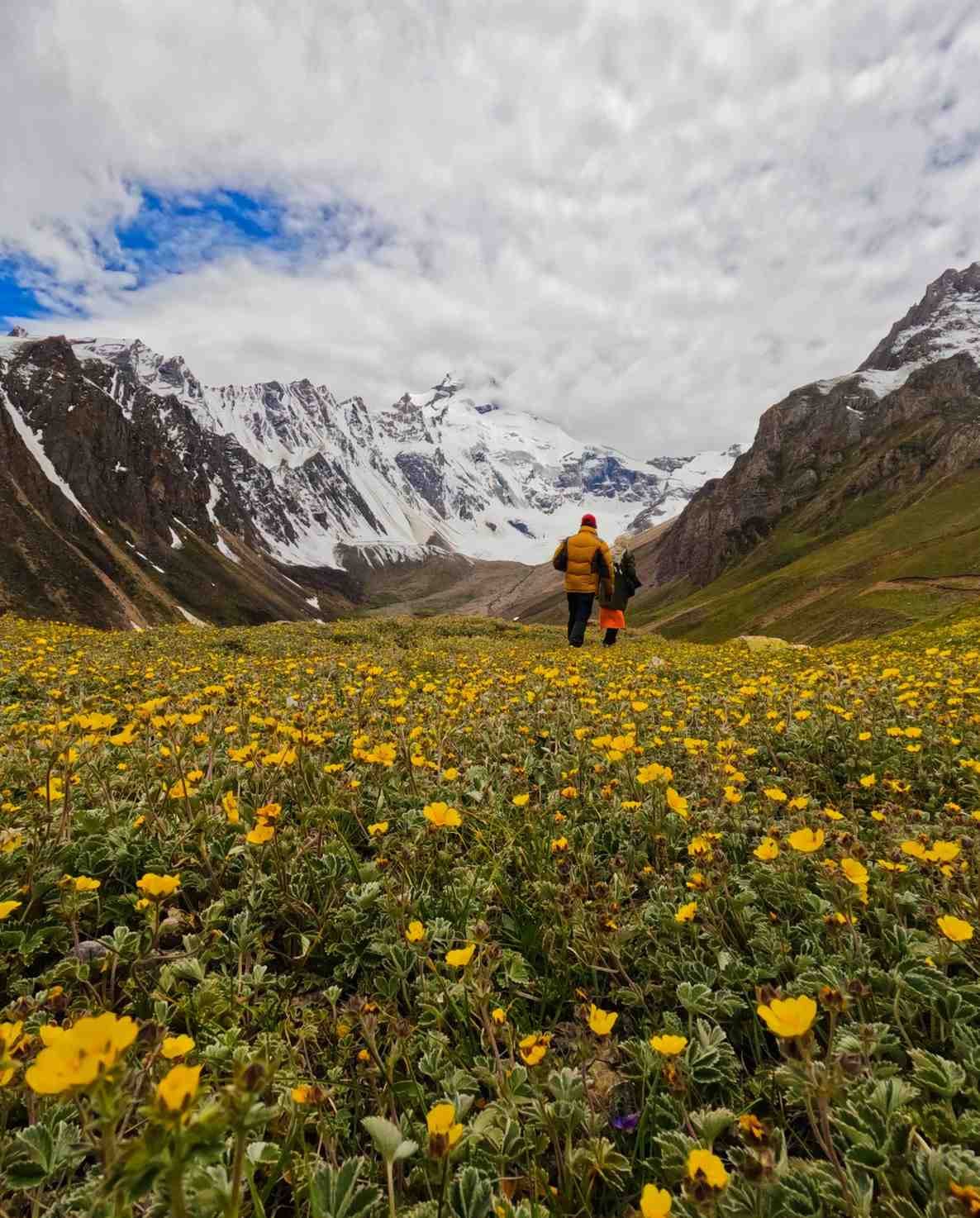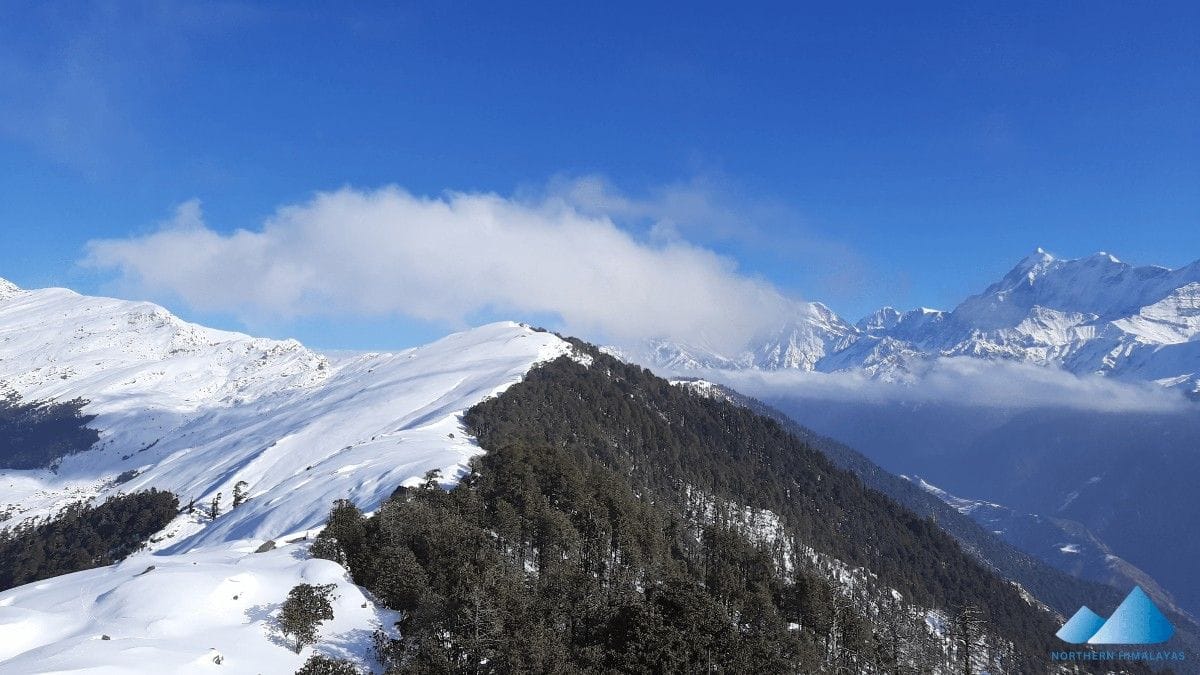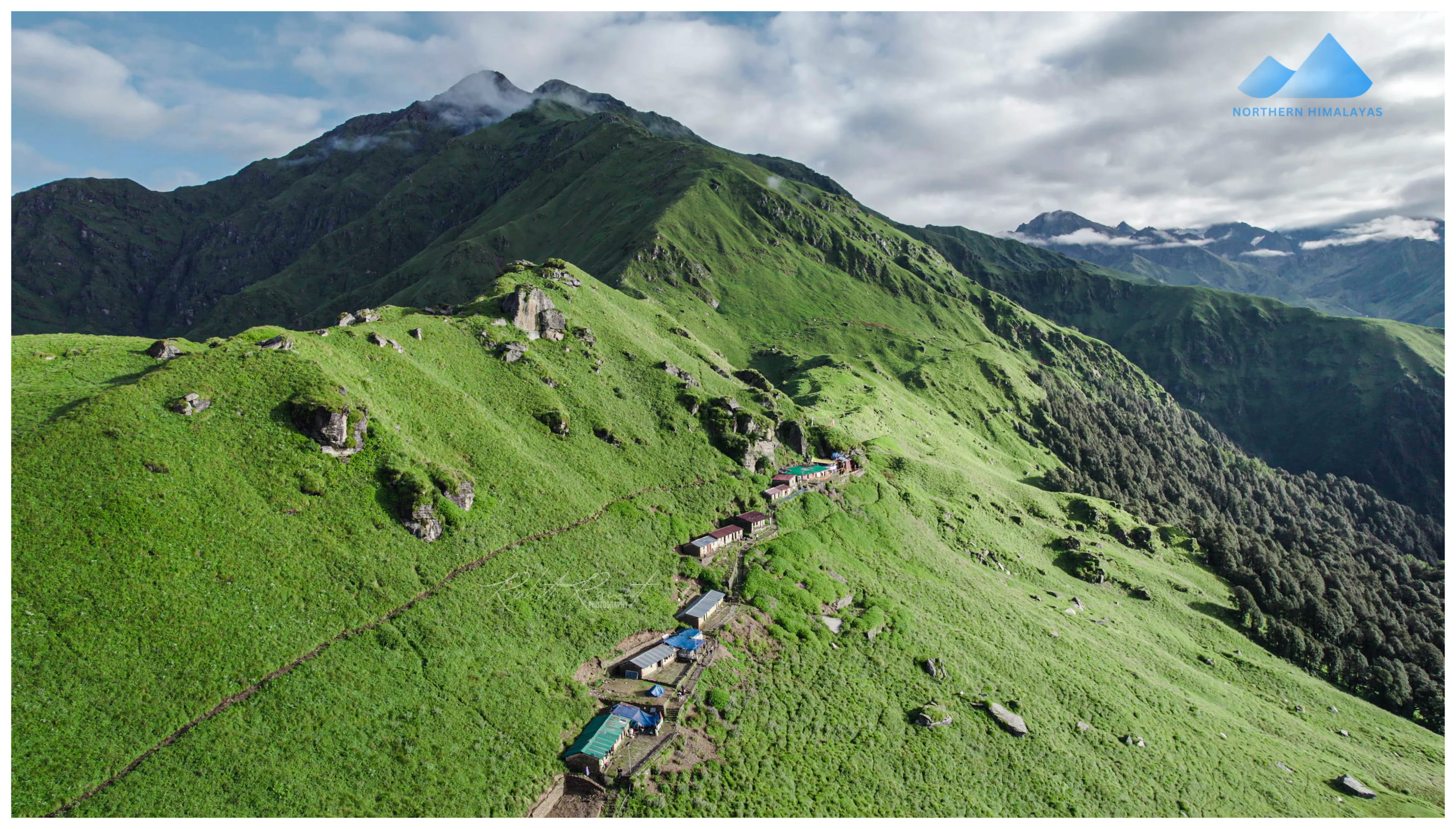
Planning the adi kailash yatra in 2026 but unsure about the best time to go? That confusion is completely valid—this isn’t a typical hill station trip. The route depends on permits, weather, and road conditions, and choosing the wrong month can affect everything from visibility of Om Parvat to your overall safety.
This guide breaks down the exact opening window, month-by-month weather, and real travel insights so you can decide the right time for your Adi Kailash journey—without second-guessing later.
Adi Kailash Yatra Opening & Closing Months Explained
For 2026, the official opening date is announced for 1st May, 2026. This is a hard date because the Inner Line Permits (ILP), which are mandatory for all civilians, will only be issued after 1st May 2026 from the SDM office in Dharchula (Pithoragarh).
The yatra typically runs until late October or early November, depending on the first heavy snowfall of the winter. In the Himalayas, the "opening" doesn't just mean the gates are open; it means the Border Roads Organization (BRO) has cleared the snow from the high passes. If you try to plan something in April, you will likely find the roads blocked and the administration refusing to issue permits. Therefore, your planning window is strictly between May and October.
If you’re planning early, bookings are usually handled by authorized operators like Northern Himalayas, who also assist with permits and logistics.
Best Time to Visit Adi Kailash and Om Parvat: A 2026 Seasonal Overview
The best time to visit Adi Kailash is generally divided into two distinct peak windows: the pre-monsoon (May to June) and the post-monsoon (September to October). Each offers a vastly different visual and physical experience.
H3: Exploring Adi Kailash in Summer (May to June):
This is the most popular time for the adi kailash om parvat yatra. Why? Because the residual winter snow is still present on the peaks, making the "Om" symbol on Om Parvat look incredibly distinct and vibrant.
-
Vibe: Spiritual energy is at its peak as the first batches of pilgrims arrive.
-
Flora: You will see the rhododendrons in full bloom at lower altitudes.
-
Difficulty: Walking on snow patches near Parvati Kund can be a bit slippery, but it’s manageable for beginners.
-
Crowds: Expect more fellow travelers during this window.
Adi Kailash in Monsoon July and August
This is a "high-risk, high-reward" season. While the Vyas Valley becomes an emerald paradise with countless waterfalls, the approach road from Dharchula is prone to landslides.
-
Visibility: The mountains are often playing hide-and-seek with the clouds. You might have to wait for hours to get a clear view of the peak.
-
Safety: We generally advise beginners to avoid these months unless they have a very flexible schedule. Landslides can block roads for 24–48 hours.
-
Experience: If you do make it through, the valley is at its most lush and beautiful.
Adi Kailash in Post-Monsoon (September to October):
If you are a photographer or a serious trekker, this is arguably the best time to visit Adi Kailash. The monsoon rains wash away all the dust from the atmosphere, leaving behind the most transparent blue skies you’ve ever seen.
-
Clarity: This is the best time for high-definition views of adi kailash om parvat.
-
Weather: The air gets crisp and sharp. It starts getting significantly colder at night, especially at Gunji and Jolingkong.
-
Trekking: The trails are dry and stable, making the walk to Parvati Sarovar very comfortable.
Why Choosing the Right Month is Critical for the Adi Kailash Om Parvat View
The "Om" on Om Parvat is a natural phenomenon formed by snow deposition in the mountain's crevices. During late summer (late June), if the heat is excessive, the snow can melt too much, making the "Om" look fragmented. Conversely, in the heart of winter, too much snow can cover the entire face, hiding the symbol altogether.
In 2026, based on current climate trends, the months of May and September provide the perfect contrast between the dark rock and white snow required for that iconic "Om" darshan. If your primary goal is to witness this spiritual marvel in its full glory, aim for these two months.
Adi Kailash Weather Conditions: Temperature and Climate Breakdown by Month
Understanding the adi kailash weather is vital for packing. Remember, you are ascending from Dharchula (approx. 3,000 ft) to Jolingkong (approx. 14,000 ft).
|
Month |
Day Temp (°C) |
Night Temp (°C) |
Condition |
|
May |
12°C to 18°C |
-2°C to 4°C |
Clear skies, residual snow. |
|
June |
15°C to 22°C |
2°C to 7°C |
Warmest month, clear mornings. |
|
July |
14°C to 20°C |
5°C to 10°C |
High humidity, rain, misty peaks. |
|
August |
14°C to 19°C |
5°C to 9°C |
Heavy rain, lush greenery. |
|
September |
10°C to 16°C |
-1°C to 5°C |
Crystal clear, sharp air. |
|
October |
6°C to 12°C |
-5°C to 0°C |
Very cold, winter is coming. |
Planning Your Logistics: How to Reach Adi Kailash from Delhi and Dehradun
How to Reach Adi Kailash from Delhi:
-
Train: Take the overnight Ranikhet Express from Delhi to Kathgodam.
-
Drive: From Kathgodam, it’s a 10–12 hour drive to Dharchula.
-
Total Time: Usually takes 2 days to reach the base camp (Dharchula) from Delhi.
Dehradun to Adi Kailash Distance:
The distance from Dehradun to adi Kailash is approximately 580–600 km.
-
Route: Dehradun → Rishikesh → Karnaprayag → Bageshwar → Dharchula.
-
Travel Time: This is a long mountainous haul. It is recommended to break the journey at Chaukori or Bageshwar to avoid exhaustion before the actual adi kailash trek begins.
Permits and Registrations: How Seasonality Affects Your Adi Kailash Trek
The adi kailash is located in a sensitive border zone near the Indo-Tibetan border. Therefore, an Inner Line Permit (ILP) is non-negotiable.
-
The Process: In May and June, the SDM office in Dharchula is very busy. Expect queues.
-
Documentation: You need a police verification report, a physical fitness certificate from an MBBS doctor, and valid ID proof (Aadhar Card).
-
Seasonal Delays: During the monsoon in July and august, the permit office might temporarily suspend issuances if the roads ahead are deemed too dangerous. Mostly the route is closed in Monsoon duration. This is another reason why May or September are the safest bets for a smooth administrative experience.
6-Day Adi Kailash and Om Parvat Yatra Itinerary
To experience the yatra properly, a 6-day flow from Dharchula is ideal:
-
Day 1: Reach Dharchula (Acclimatization and Permit Processing).
-
Day 2: Dharchula to Gunji (A dramatic 4x4 Jeep ride along the Kali River).
-
Day 3: Gunji to Jolingkong and back to Gunji (Adi Kailash Darshan and Parvati Kund, (Visit Kuti Village, the home of the Pandavas).
-
Day 4: Gunji to Nabhidhang. The vantage point for Om Parvat)
-
Day 5: Nabhidhang to Dharchula (Return journey).
-
Day 6: Dharchula to Kathgodam/Haldwani.
Essential Tips for Booking Your Adi Kailash Tour Package in 2026
Given the complexity of permits and the remote nature of the Vyas Valley, booking an adi kailash and om parvat yatra tour package through authorized agents is highly recommended.
-
Choose Local Experts: Agents like Northern Himalayas are on-the-ground specialists. They have direct ties with the local Jeep unions,hotels, administration and homestays.
-
Check for Buffer Days: Ensure your package includes a buffer day for weather or road delays.
-
Verify Permits: Make sure the agency is handling the ILP documentation for you; doing it yourself can waste 2 days of your trip.
-
Medical Support: Ask if they provide oxygen cylinders and oximeters—essential for the 14,000 ft altitude at Jolingkong.
Accommodation, Food & Facilities During the Yatra
Don't expect five-star luxury in the Vyas Valley. The facilities are "mountain-basic" but heartfelt.
-
Stay: You will mostly stay in homestays or guesthouses. The rooms are usually on a multi-sharing basis with common toilets.
-
Food: Nutritious, hot vegetarian meals like Dal, Chawal, Sabzi, and local Roti. Try the local Bhatt ki Churkani if you get the chance!
-
Connectivity: BSNL is the only network that works in patches. Consider yourself "off-the-grid" once you leave Dharchula.
-
ATMs: The last working ATM is in Dharchula. Carry at least ₹10,000 in cash for personal expenses and emergencies.
Final Verdict: What is the Best Month to Visit Adi Kailash?
If we had to pick one month for the ultimate experience, it would be September.
Why September?
-
The monsoon has just ended, leaving the air incredibly clean.
-
The roads are generally repaired and stable after the rains.
-
The visibility of adi kailash om parvat is at its absolute highest.
-
It’s cold enough to feel like a true Himalayan adventure but not so cold that it becomes a survival mission.
However, if you want to see snow-covered trails and feel the raw power of the Himalayan spring, May is your best bet.
Frequently Asked Questions About the Best Time to Visit Adi Kailash
1. Can we visit Adi Kailash in the winter (December-March)?
No. The region experiences heavy snowfall, and the roads are blocked. The local population also migrates to lower altitudes during this time and the place is completely shut down.
2. How difficult is the Adi Kailash trek?
With the new road connectivity, it is now an "Easy to Moderate" trek. Most of the distance is covered by 4x4 vehicles, with only short 3–4 km walks to the darshan points.
3. Is it safe for senior citizens to visit in May?
Yes, provided they are medically fit and have consulted a doctor regarding high-altitude travel. May weather is pleasant during the day, making it comfortable for elders.
4. Can I see Mount Kailash from here?
No, Mount Kailash is in Tibet. From Adi Kailash, you see the "Chota Kailash." However, from Lipulekh Pass (near the route), one can sometimes get a distant view of Mount Kailash on extremely clear days.
5. Do I need to carry heavy woolens in June?
Yes. While it’s warm in Dharchula, temperatures at Gunji and Jolingkong can still drop to near freezing at night. Layering is key.
6. Can I visit during monsoon?
Yes, but delays and visibility issues are common.
7. Which month gives the best Om Parvat view?
September has the highest chances of clear visibility.
8. Is October safe for travel?
Early October is fine, but conditions can change quickly.
9. Do I need to book in advance?
Yes, especially for peak months like June and September.