Planning a visit to Rudranath Temple in 2026, Knowing the Rudranath Temple opening date is the first step toward a life-changing adventure. In this guide, we’ll break down the official dates, the grueling but gorgeous rudranath trek route, and the practicalities of budgeting for this sacred journey.
In this guide, you’ll find the official opening and closing dates, trek details, route options, and practical tips—so you can plan your Rudranath journey without confusion.
Rudranath Temple Opening Date 2026: Official Dates and Rituals
The Rudranath Temple opening date for the 2026 season is officially set for May 18, 2026. Traditionally, the date is declared on the auspicious day of Basant Panchami at the Gopinath Temple in Gopeshwar.
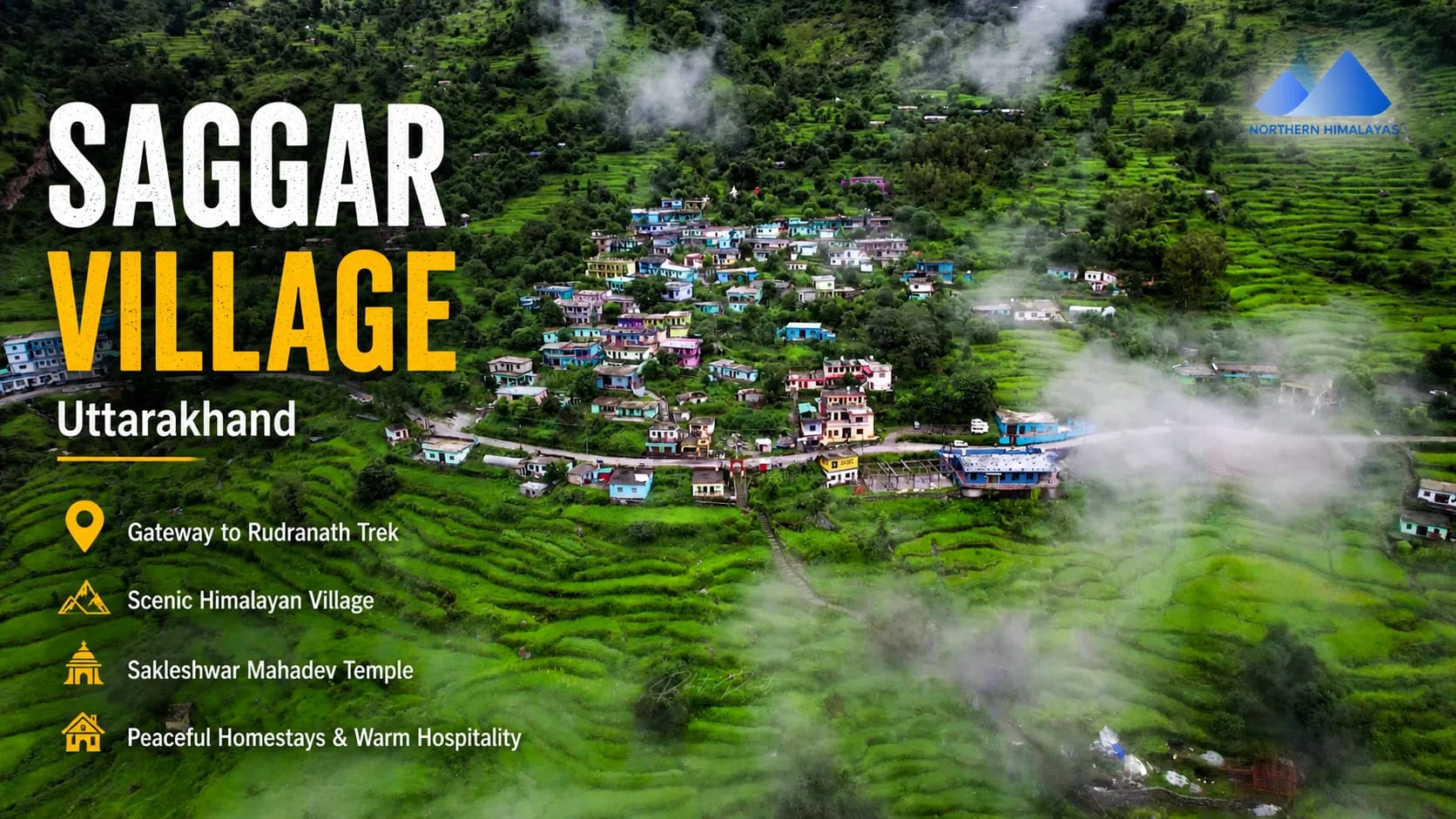
The opening follows a vibrant spiritual ceremony. On May 16, the Doli (palanquin) of Lord Rudranath leaves Gopeshwar, making its way through local villages like Gangol gawn, saggar village and one night stay in lyuti bugyal. The atmosphere is electric with local chants and traditional drums. By the morning of May 18, the temple doors are thrown open to the public, marking the start of the summer pilgrimage season.
Rudranath Temple Closing Date 2026: When the Doors Shut for Winter
As autumn settles into the Himalayas, the gates are prepared for closure before the heavy snow makes the route inaccessible. The Rudranath Temple closing date 2026 is expected to be October 17, 2026, the closing date will be announce in October month in Gopinath temple gopeshwar.
Once the temple closes, the symbolic idol of Lord Shiva is brought back to the Gopinath Temple in Gopeshwar for winter worship. It is highly advised not to attempt the rudranath temple trek after this date, as the shacks at Panar and Pitradhar close down, leaving you without food or shelter in freezing temperatures.
The Significance of Lord Rudranath: The Fourth Kedar of Panch Kedar
Rudranath is the fourth temple to be visited in the legendary Panch Kedar circuit. Here, Lord Shiva is worshipped in his "Mukh" or face form. Legend has it that after the Kurukshetra war, the Pandavas sought Shiva's forgiveness. Shiva took the form of a bull to hide, and when he reappeared in parts, his face emerged at Rudranath.
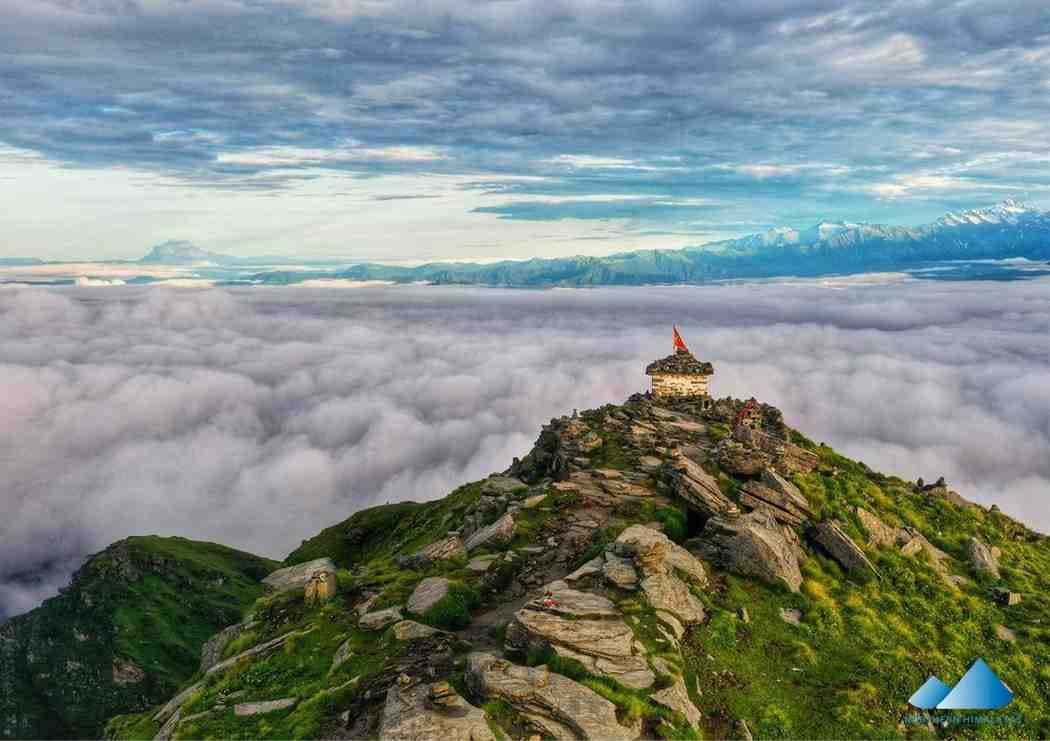
It is arguably the most "natural" of the Kedars. The temple is a cave shrine nestled amidst thick woods and alpine meadows. Devotees also visit the nearby Vaitarani river to perform ancestral rites, believing that Shiva’s presence here ensures salvation for the departed.
key highlights
The rudranath trek is famous for several unique features that you won't find on other Himalayan trails:
-
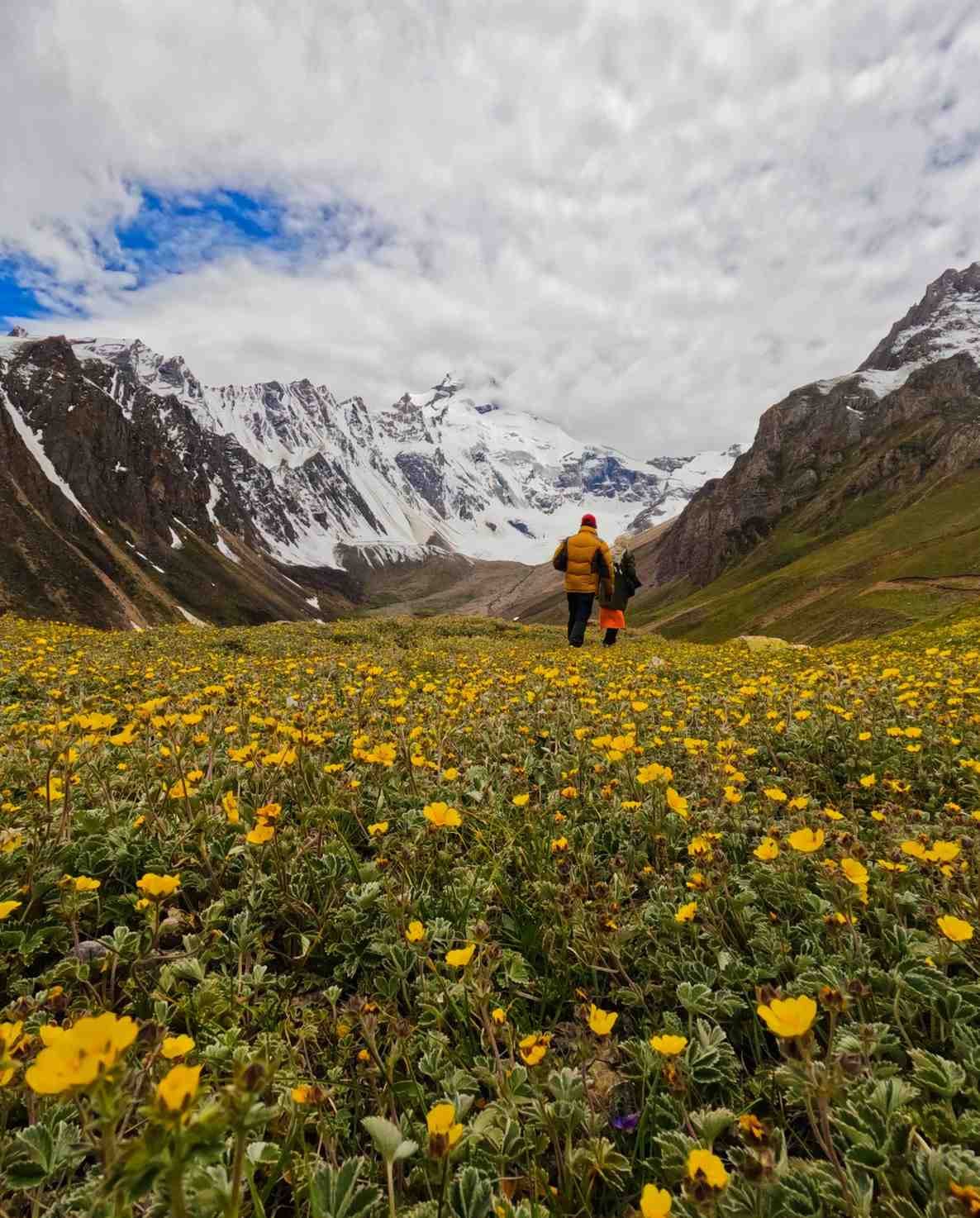
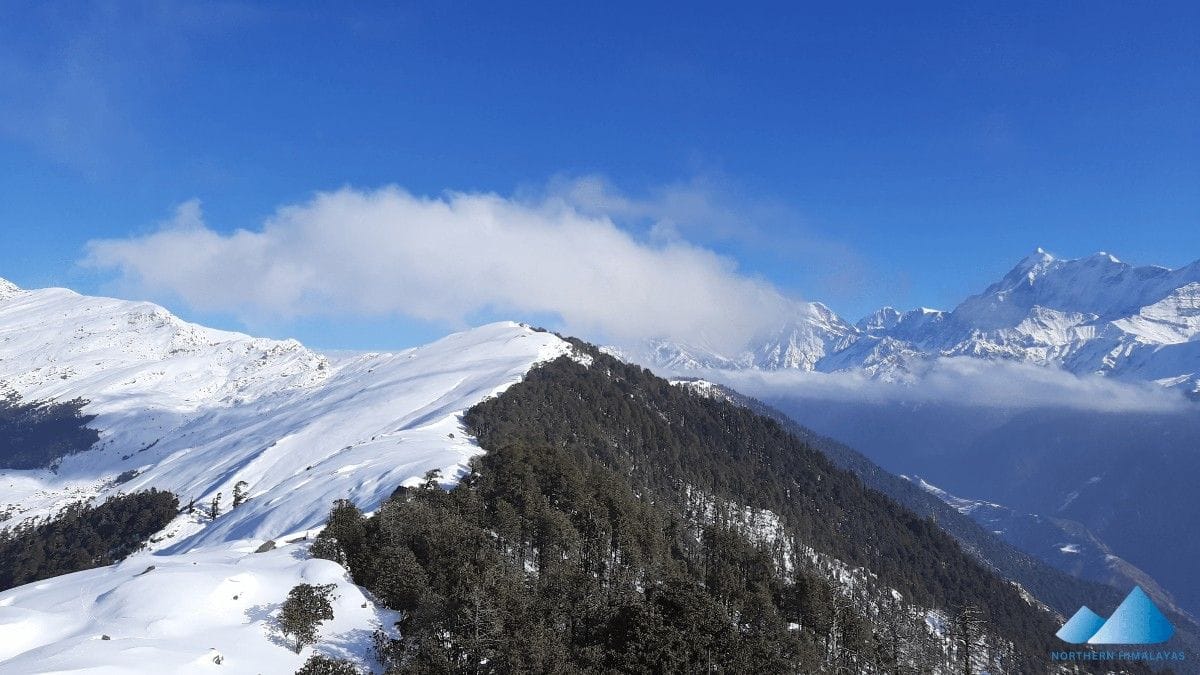
The View of Peaks: This trek offers the closest and most majestic views of Nanda Devi, Trishul, and Chaukhamba.
-
Panar Bugyal: These are world-famous alpine meadows that turn a vibrant gold during sunset.
-
Cave Temple: Unlike the grand stone architecture of Kedarnath, Rudranath is a raw, powerful cave temple.
-
The Vertical Climb: The trek challenges you with a steep ascent that provides a massive sense of accomplishment once you reach the top.
Best Time to Visit Rudranath Temple: Seasonal Weather Guide
The best time to visit depends on what kind of experience you want.
-
Summer (May to June): The most popular window. The weather is stable, and the meadows are lush green.
-
Monsoon (July to August): The rudranath trek in monsoon is for the brave. The trail becomes slippery and leeches are common, but the floral diversity is at its peak.
-
Autumn (September to October): This is the gold-standard time. The rains have washed the dust away, offering 100% visibility of the snow-capped Himalayan giants.
Rudranath Trek Route Options and Itinerary Overview
The most standard rudranath trek route starts from Sagar Village, located 5km from Gopeshwar.
Standard 4-Day Itinerary:
-
Day 1: Reach Sagar Village from Rishikesh/Gopeshwar.
-
Day 2: Sagar to Panar Bugyal (12km). This is the toughest day with a steep "vertical" climb.
-
Day 3: Panar Bugyal to Rudranath via Pitradhar (8km). Return to Panar or stay at the temple.
-
Day 4: Panar back to Sagar and drive to Gopeshwar.
Alternative routes include the kalpeshwar to rudranath trek, which is a longer, more offbeat path preferred by those completing the full Panch Kedar yatra.
How to Reach Rudranath Temple from Delhi, Haridwar & Rishikesh
Reaching the base camp is fairly straightforward:
-
From Delhi: Take an overnight bus to Rishikesh or Haridwar. 1 UTC roadways bus is also available from Delhi Kashimiri gate to Gopeshwar.
-
From Rishikesh: Hire a shared taxi or take a UK Roadways bus to Gopeshwar (approx. 210 km / 8-9 hours).
-
Local Transport: From Gopeshwar, a 15-minute taxi ride will drop you at Sagar Village, the starting point of the rudranath trek.
If you’re unsure about logistics, many travellers opt for a rudranath trek package for convenience. Operators like Northern Himalayas are known for organizing structured Rudranath treks with proper support.
Rudranath Trek Difficulty Level: What Beginners and Intermediates Should Expect
In the trekking community, Rudranath is known for its "Khadi Chadhai" (vertical ascent ).
-
Distance: The rudranath trek in km is about 20–22 km one way.
-
Difficulty: It is rated as Moderate to Difficult.
-
Beginners: You need to be physically active. If you can jog 5km - 6km in 30 minutes, you can manage this trek.
-
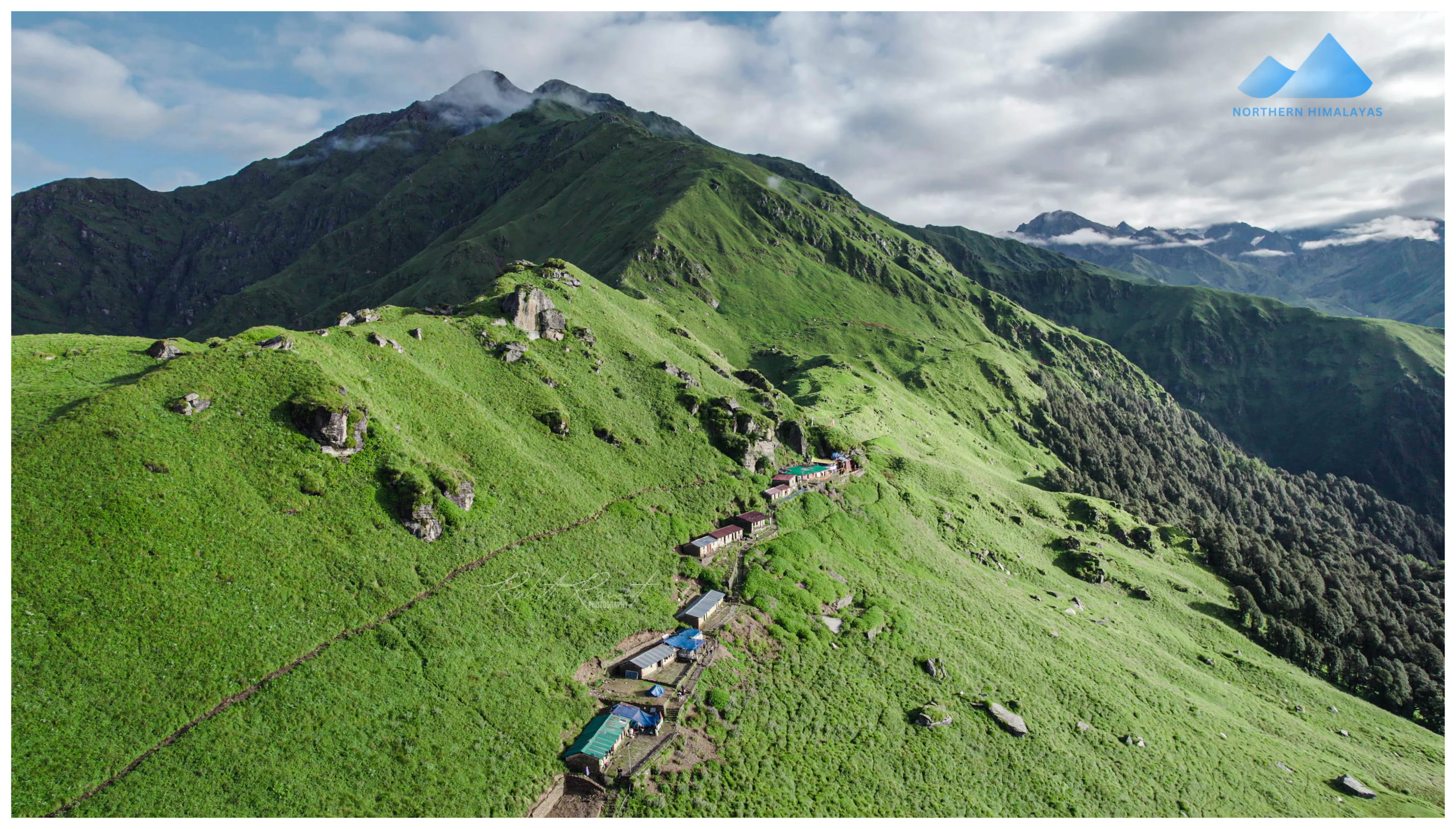
Intermediates: You will love the ridge walks between Panar and Pitradhar, but don't underestimate the descent, which can be hard on the knees.
Weather Conditions at Rudranath: What to Expect During the Season
At an altitude of 11,800 ft, weather here changes quickly.
-
Summer: Days are pleasant (15°C to 20°C), but nights drop to 5°C.
-
Post-Monsoon: Expect temperatures to dip below zero at night in October.
-
Wind: The stretch at Pitradhar is extremely windy; you will need windcheaters even on sunny days.
Always carry proper gear—underestimating mountain weather is a common mistake.
Permits, Registration & Local Guidelines for Rudranath Yatra
Since Rudranath lies within the Kedarnath Wildlife Sanctuary, you must adhere to forest department rules.
-
Entry Fee: A nominal fee of 200/- rupee is collected at the forest check-post at Sagar to enter in Kedarnath wildlife sanctuary.
-
Plastic Ban: Being a sensitive zone, carrying single-use plastic is strictly discouraged.
-
Photography: While photos are allowed on the trail, avoid taking photos inside the sanctum of the temple.
Accommodation and Facilities:
Do not expect luxury. The rudranath trek is about simplicity.
-
Sagar Village: Guest houses and homestays are available with attached washroom.
-
Panar Bugyal: Basic shacks, tents and trekker huts with mattresses and blankets on a sharing basis. Toilet tents are available.
-
Rudranath: The temple committee provides basic dharamshala-style rooms with Ground beded.washroom facility is not available in main Rudranath area.
-
Food: Simple Dal-Chawal and Maggi are the staples. Carry your own energy bars and electrolytes.
Essential Packing List for the Rudranath Trek
-
Footwear: Sturdy trekking boots with deep lugs (grip is vital).
-
Clothing: 3-layer system (thermals, fleece, and a down jacket).
-
Rain Gear: A high-quality ponchon and umbrella, especially if trekking in monsoon.
-
Medical: Personal first-aid kit including knee braces and crepe bandages.
-
Cash: Last ATM is in Gopeshwar. Mules and shacks only accept cash.
Safety Tips and Altitude Awareness for Trekkers
Acute Mountain Sickness (AMS) can happen at Panar (11,000 ft).
-
Climb High, Sleep Low: If staying at the temple, try to walk a bit higher and then come back to sleep.
-
Hydration: Drink 4 liters of water daily to help your blood carry more oxygen.
-
Early Starts: Start your trek by 5 AM. Reaching Panar after dark is dangerous due to wild animal movement (bears and leopards).
Rudranath trek package cost 2026
The rudranath trek cost generally varies between ₹9,000 to ₹14,000 per person for a 4-day trip starting from Rishikesh. If you are looking for reliability, Northern Himalayas offer the best rudranath trek package options. These include experienced guides, forest permits, and decent meals, which are essential given how remote the trail is.
Safety Tips and Altitude Sickness (AMS) Awareness
Keep an eye out for "the big three" symptoms: persistent headache, nausea, and loss of appetite. If these persist at Panar, do not push for Pitradhar. Descend immediately. Carrying a small oxygen cylinder in your group is a wise move for the rudranath temple trek. Also medical facilities is not available on entire trek. Nearest hospital is Gopeshwar govt. Hospital which is 6km away from Saggar village.
conclusions
Rudranath is not just a destination—it’s an experience that combines spirituality, isolation, and raw Himalayan beauty. With the Rudranath Temple opening date set for May 18, 2026, now is the time to start your training. Whether you choose a self-planned trip or a rudranath trek package, prepare well, and choose the right season, this trek can easily become one of your most memorable journeys.