I was born and raised right here in Chopta valley. For the past decade, I've been running treks and helping travelers experience these mountains properly. People ask me every single day: "When should I visit Chopta?"
The answer isn't simple, and anyone who gives you a one-size-fits-all answer hasn't spent enough time here.
Let me share what I've learned from actually living at 2,680 meters in Uttarakhand's Kedarnath Wildlife Sanctuary. This isn't tourist information—this is what locals know.
Quick Answer:
April to June and September to November work for most travelers. Want snow? January to March. Photographers wanting rhododendrons? Mid-March to early April is your window.
But let's go deeper, because timing wrong means you might drive 200+ kilometers and find the temple closed or trails dangerous.
Table of Contents
- Why Timing Matters in Chopta
- Spring (March to April): Nature's Color Palette
- Summer (May to June): Peak Season for Good Reason
- Monsoon (July to September): The Risky Beauty
- Autumn (October to November): The Sweet Spot
- Winter (December to February): The Snow Adventure
- Best Time by Traveler Type: Quick Recommendations
- Practical Travel Tips for Chopta
- Must-Do Experiences in Chopta
- Festivals & Events
- Final Thoughts: When Should YOU Visit?
Why Timing Matters in Chopta
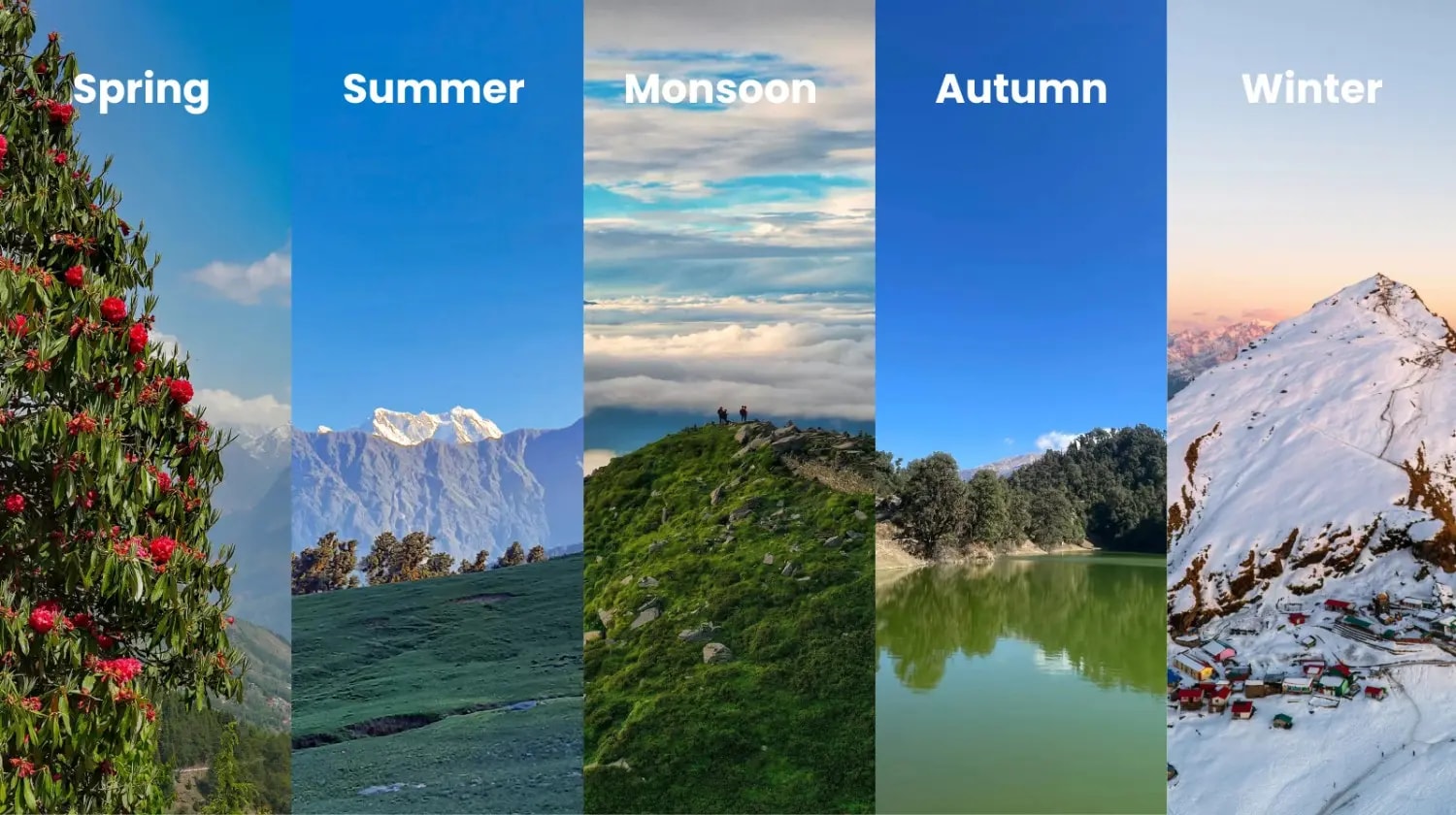
Growing up here, I've seen how dramatically our valley changes with seasons. Unlike regular hill stations where weather just shifts a bit, Chopta completely transforms:
Tungnath Temple closes completely during heavy winter (usually December-March). The exact dates change based on snowfall each year. I've seen years when it closed mid-November due to early snow, and years when it stayed open until December-end.
Roads become impassable during peak monsoon (July-August). I've helped stranded travelers more times than I can count during these months. Landslides are real, not just warnings.
Snow conditions vary wildly even within winter months. Early December snow is different from January's heavy snowfall, which is different from February's melting phase. As someone running winter treks, these differences matter hugely.
Temperature swings of 20-30°C between day and night are common. Tourists often underestimate this. You'll need sun protection at noon and heavy woolens by evening.
Miss the right window, and your trek could be closed. Get it right, and you'll see why I never left this valley.
Spring (March to April): Nature's Color Palette
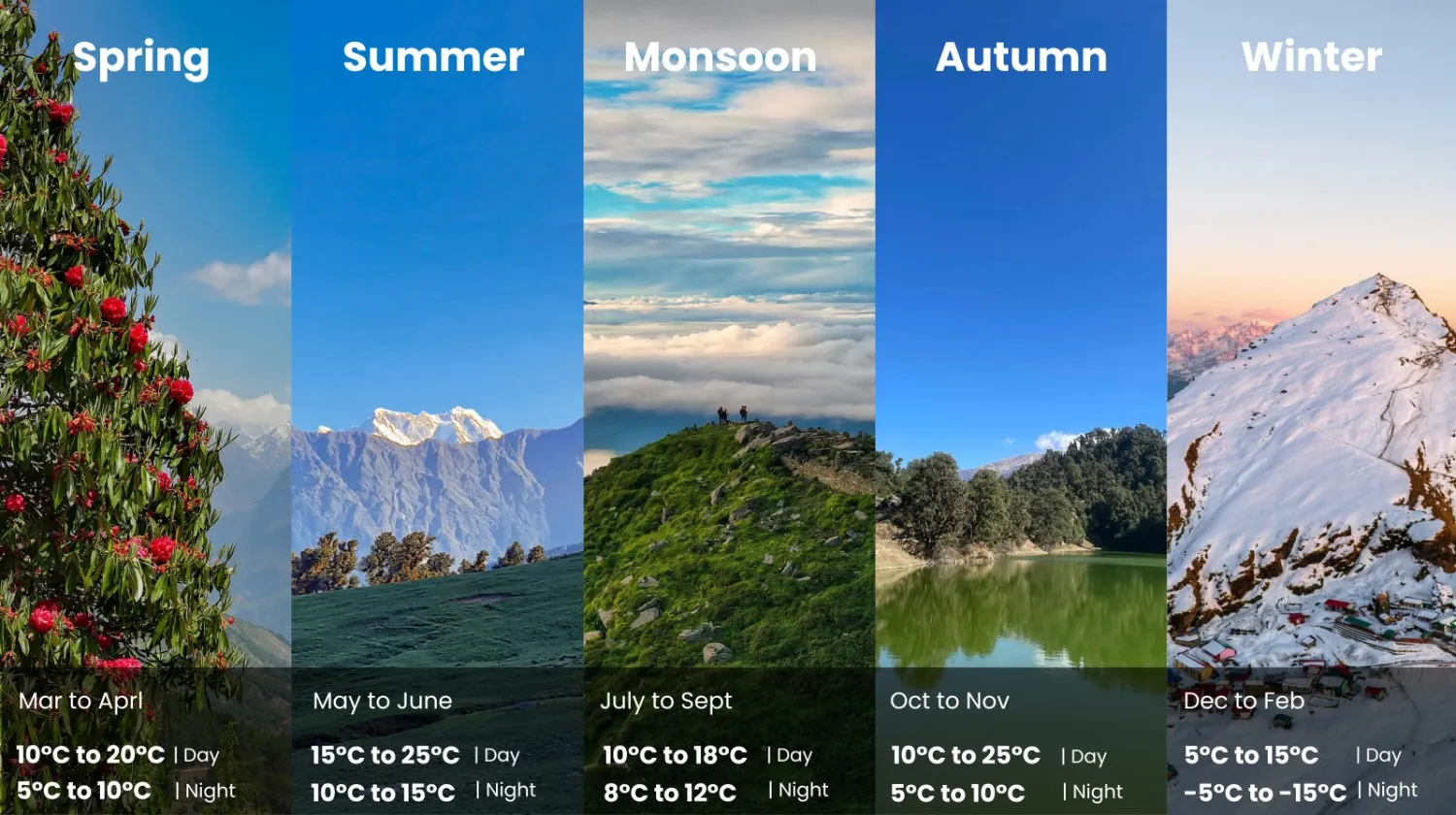
Temperature: 10°C to 20°C (Day) | 5°C to 10°C (Night)
What Makes Spring Special
As a local guide, spring is when I see travelers genuinely stop and stare. The transformation is that dramatic.
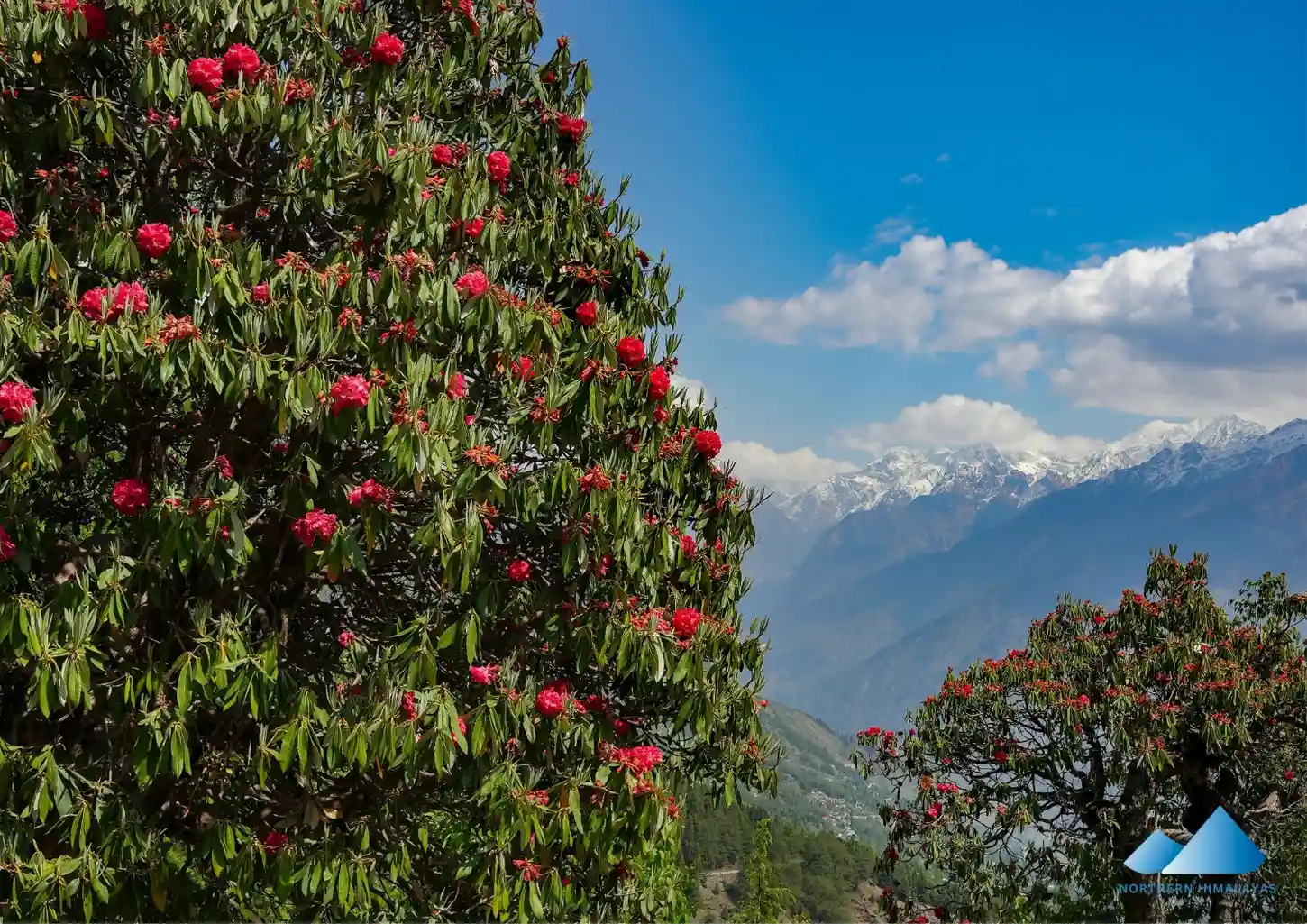
Three varieties of rhododendrons bloom simultaneously across different elevations:
- Dark red Buransh in lower areas (Duggal Bittha, Baniyakund, Dhotidhar)
- Pink blooms in mid-elevations (Bhera Khark, Monal point, Rawanshila)
- White and purple varieties near Tungnath
The valley literally looks tricolor. Local vendors—my neighbors—sell fresh Buransh juice. It's tart, refreshing, and packed with vitamin C. We've been making it for generations.
What Works and What Doesn't
From guiding hundreds of spring treks, here's what I tell travelers:
What Works
- Photography is exceptional—every turn offers something worth capturing
- Trails still have snow patches at higher altitudes
- Perfect trekking temperatures during day
- Himalayan birds in mating season (great for birdwatching)
- Fewer crowds than summer months
What Doesn't
- Weather can be unpredictable—light snowfall possible till March-end
- Some accommodations still closed if you arrive early March (call ahead)
- Mornings and evenings need heavy woolens
Best For
Photographers, nature enthusiasts, and trekkers who want both snow and flowers in one trip.
Summer (May to June): Peak Season for Good Reason
Temperature: 15°C to 25°C (Day) | 10°C to 15°C (Night)
Why Everyone Comes Now
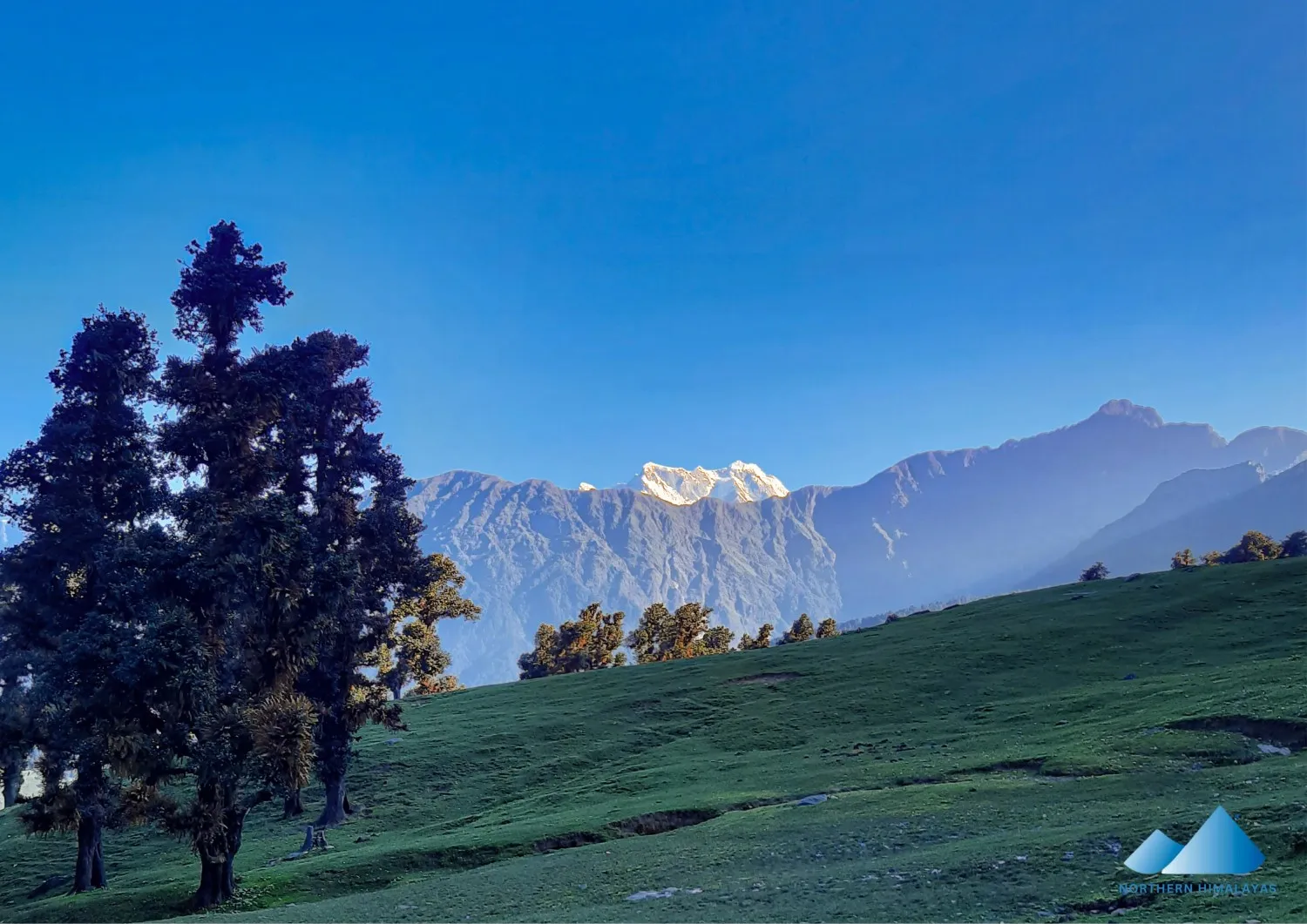
Summer brings the most stable weather window. Tungnath Temple officially opens (usually by late April/early May), and every trail becomes accessible.
The Himalayan views are at their clearest. You can spot Nanda Devi, Trishul, and Chaukhamba peaks without cloud cover. The meadows turn lush green, and the mountain breeze stays cool even at midday.
What Actually Happens
This is school holiday season. As someone managing group bookings, I can tell you what to expect:
- Maximum crowds at Tungnath and Chandrashila trails
- Higher accommodation rates (₹2,000-₹4,000 vs. ₹1,200-₹2,500 off-season)
- Pre-booking essential for decent campsites
- Light afternoon drizzles (normal mountain weather, not monsoon)
Honest Assessment
What Works
- Absolutely reliable weather
- All facilities fully operational
- Perfect for families and first-time trekkers
- Ideal for camping under stars
- Safe road conditions
- Adventure activities available (rock climbing, rappelling)
What Doesn't
- Crowded trails—especially weekends
- Premium pricing for everything
- Less solitude compared to other seasons
- Hot afternoons require sun protection
Best For
Families with kids, first-time visitors to Chopta, groups wanting camping experiences, and anyone prioritizing comfort over adventure.
Monsoon (July to September): The Risky Beauty
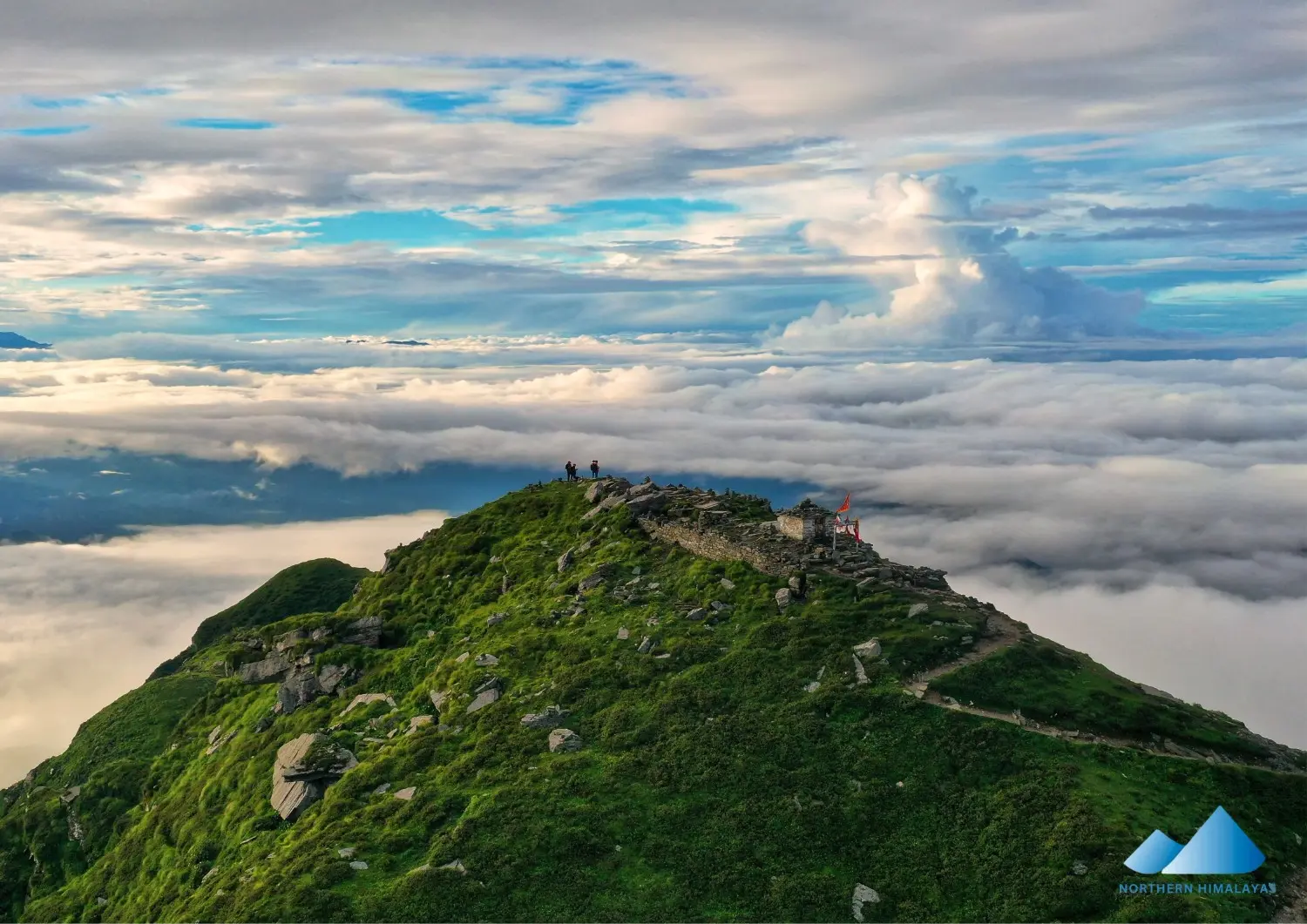
Temperature: 10°C to 18°C (Day) | 8°C to 12°C (Night)
The Reality Check
Let me be direct. Monsoon in the Himalayas isn't like Kerala's romantic rains. I've lived through dozens of monsoon seasons here.
What you actually face:
- Landslide risk on the Rishikesh-Chopta route (roads get blocked for hours)
- Slippery trails with leeches at lower elevations
- Limited visibility—mountain views vanish behind clouds
- Reduced facilities—many camps and hotels close (including some I work with)
But It's Not All Bad
For experienced trekkers who can handle challenges:
- The valley becomes impossibly green
- Small waterfalls appear everywhere
- Absolute solitude (hardly any tourists)
- Post-monsoon September is actually beautiful—everything's washed clean, trails are walkable, crowds haven't returned
What I Tell My Clients
What Works
- Peak greenery and wildflowers
- Lowest accommodation rates
- Complete peace and quiet
- Fresh, crisp mountain air
- September specifically is excellent
What Doesn't
- Landslide dangers (especially July-August)
- Trek trails can be dangerous
- Limited rescue/medical access if something goes wrong
- Leeches on forested sections
- Unpredictable temple access
Best For
Experienced trekkers comfortable with risk, photographers chasing moody landscapes, and those traveling in early September specifically.
Important: I don't recommend July-August unless you're experienced with monsoon trekking. Monitor weather forecasts daily and keep backup plans.
Autumn (October to November): The Sweet Spot
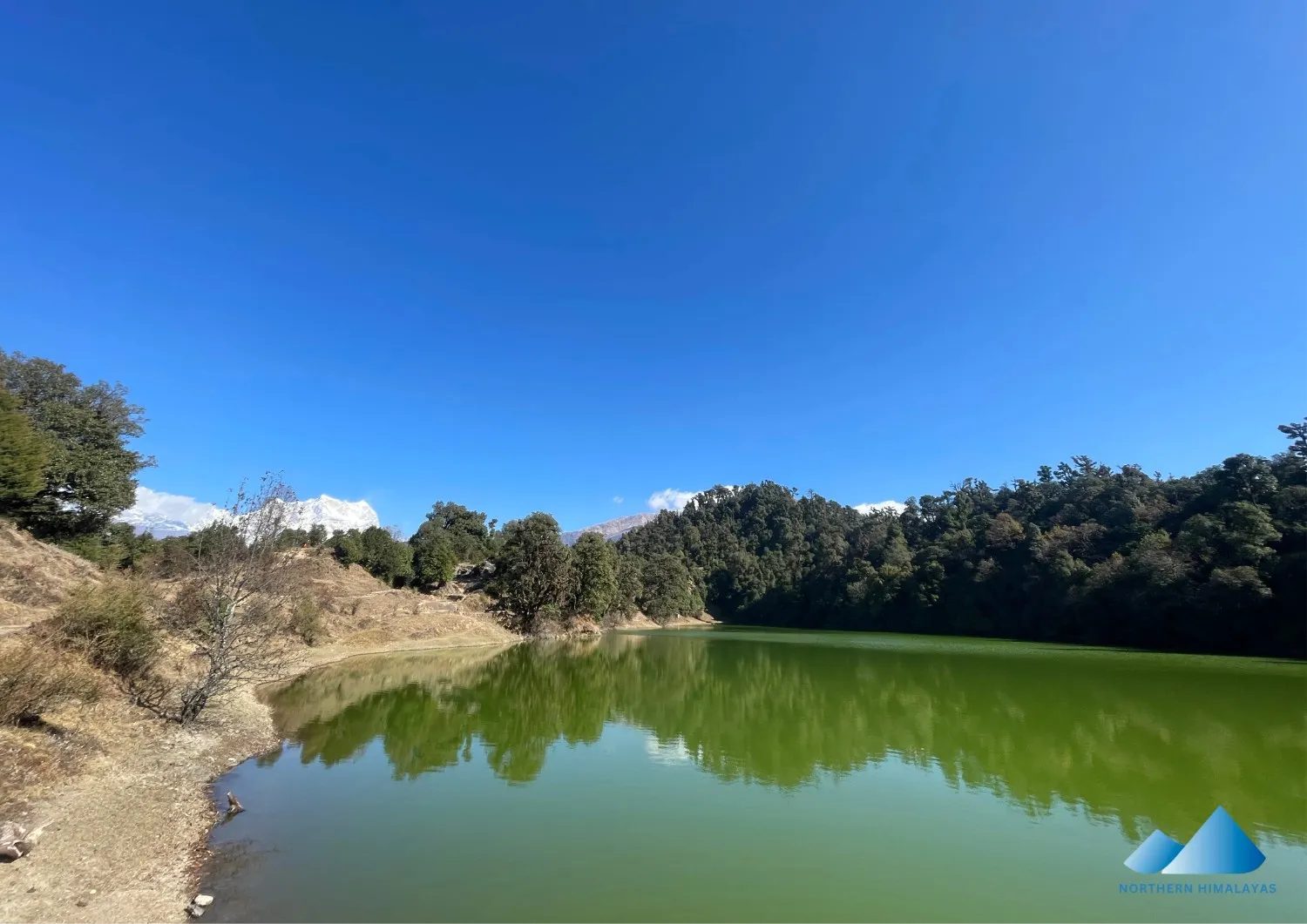
Temperature: 10°C to 25°C (Day) | 5°C to 10°C (Night)
Why We Locals Recommend This Season
Post-monsoon autumn gives you everything summer offers, minus the crowds:
- Crystal-clear skies—best Himalayan visibility of the year
- Lush landscapes still green from monsoon rains
- Perfect trekking weather—not too hot, not freezing
- Stable conditions—very low rainfall chances
The meadows are vibrant, trails are in excellent condition, and the air has that crisp mountain freshness we're known for.
What Makes It Special
This is premium stargazing season. The pollution-free skies combined with clear weather mean you'll see the Milky Way with naked eyes. I often organize night photography sessions during these months.
First snowfall typically arrives by late November in higher areas, giving you a preview of winter.
Practical Reality
What Works
- Best cost-to-experience ratio
- Excellent weather stability
- Fewer tourists than summer
- All trails and facilities open
- Perfect for both beginners and experienced trekkers
- Great for wildlife spotting (animals more active before winter)
What Doesn't
- Temperatures start dropping by late November
- Early mornings can be quite cold
- Some accommodations begin shutting by November-end
Best For
Trekkers seeking the best conditions, photographers wanting Himalayan clarity, couples, and travelers who prefer fewer crowds.
Winter (December to February): The Snow Adventure
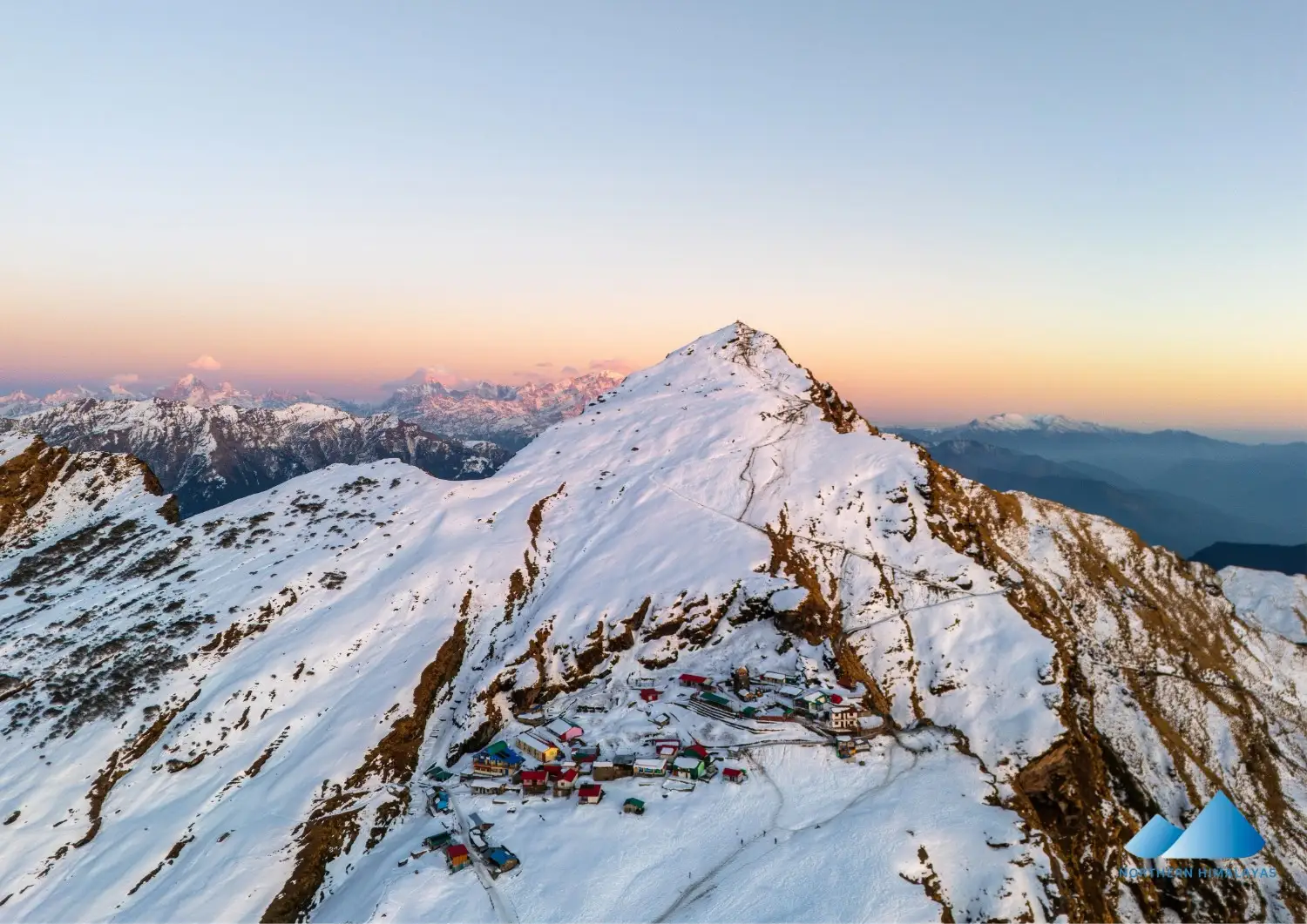
Temperature: 5°C to 15°C (Day) | -5°C to -15°C (Night)
The Three Winter Windows
Living here year-round, I've learned that winter isn't one season—it's three different experiences:
Early Winter (December)
- Light to moderate snow begins
- Tungnath Temple closes by mid-December (specific date varies yearly)
- Still accessible by road, but 4x4 recommended
- Christmas/New Year sees tourist spike with premium pricing
- Temperatures manageable: 5°C to -5°C
Peak Winter (January)
- Heavy snowfall and deep snow cover
- Coldest period: drops to -10°C to -15°C at night
- Roads often blocked—check conditions before traveling
- Best time for proper snow trekking
- Very limited accommodation open (book ahead!)
Late Winter (February)
- Snow starts melting but still plenty for snow activities
- Slightly warmer: 5°C to -3°C nights
- Clearer skies than January
- Best for snow photography—mix of snow and sunshine
- Increasing accessibility as winter ends
What You Actually Experience
Chopta buried under 2-3 feet of snow. The entire valley becomes a winter wonderland. Trekking to Tungnath (or as far as conditions allow) in knee-deep snow, surrounded by snow-laden pines.
This is serious winter. You need:
- Heavy down jackets (rated for -15°C minimum)
- Thermal layers (top and bottom)
- Waterproof snow boots with deep treads
- Gloves, woolen socks, balaclava
- Snow goggles
- Walking poles/ice axes for stability
Activities in Winter
From my winter trek experience:
- Snow trekking to Chandrashila (requires experience + guide)
- Skiing on slopes near Chopta
- Snow camping (for the adventurous with proper gear)
- Snowman building and snow games (for families)
- Astrophotography (clear winter skies when not snowing)
Honest Reality
What Works
- Magical snow-covered landscapes
- Unique winter trekking experience
- Far fewer tourists (except Christmas week)
- Excellent for winter photography
- Wildlife spotting (animals descend to lower altitudes)
- Perfect for adventure seekers
What Doesn't
- Tungnath Temple closed
- Extreme cold (not for everyone)
- Roads frequently blocked
- Limited accommodation options
- Higher risk factor
- Requires expensive winter gear
- Not suitable for families with young kids or elderly
Best For
Experienced trekkers, snow enthusiasts, winter photographers, and adventure lovers comfortable with cold and challenges.
Safety Note: I always insist clients trek with a guide in winter. Carry emergency supplies. Inform someone about your plans. Weather can change in hours.
Best Time by Traveler Type: Quick Recommendations
Based on guiding different types of travelers over the years:
First-Time Visitors
April to June OR September to November
Predictable weather, all facilities open, manageable conditions, complete experience.
Trekking Enthusiasts
October to November (Best overall) | March to April (Spring bonus) | January to February (Snow challenge)
October-November offers perfect trekking weather. Spring adds rhododendron bonus. Winter for those seeking snow trekking.
Photographers
Mid-March to Early April (Rhododendron bloom) | October to November (Clear Himalayan views) | December to February (Snow landscapes)
These windows offer distinct visual experiences worth capturing.
Families with Kids
May to June
Safest weather, easy trails, school holidays align, plenty of accommodation, no extreme cold.
Snow Lovers
January to February
Guaranteed heavy snow, best winter landscapes, proper snow trekking experience.
Budget Travelers
March | Early October | Late November
Shoulder season pricing, great weather, fewer crowds, excellent value.
Spiritual Seekers (Temple Visits)
April to November (When Tungnath is open)
Peak auspicious times: Mahashivratri (February-March), Shravan month (July-August)
Note: Temple closes during heavy winter; exact dates vary yearly. Check current year schedule.
Wildlife & Birdwatchers
March to April | September to October
Spring is bird mating season. Autumn offers active wildlife before winter. Both have excellent visibility.
Solo Travelers Seeking Solitude
Early March | September | Early December (pre-snow)
Off-peak timing means fewer tourists but weather remains manageable.
Practical Travel Tips for Chopta
Essential Packing List
For Summer (May-June)
- Light woolens for mornings/evenings
- Comfortable trekking shoes
- Sunscreen (SPF 50+), sunglasses, hat
- Light rain jacket (for afternoon drizzles)
- Water bottle, energy bars
- Basic first-aid kit
For Winter (December-February)
- Heavy down jacket (-15°C rated minimum)
- Thermal innerwear (top + bottom)
- Waterproof trekking boots
- Multiple woolen layers, fleece
- Gloves, woolen cap, neck warmer, woolen socks (3-4 pairs)
- Snow goggles
- Trekking poles
- Hand warmers (disposable)
- High-energy snacks
Year-Round Essentials
- Valid ID proof (Aadhaar/passport)
- Sufficient cash (limited ATMs; nearest in Ukhimath ~30km)
- Personal medications
- Power bank (charging can be limited)
- Torch/headlamp
- Reusable water bottle
- Toilet paper (public facilities basic)
Reaching Chopta
By Air
- Nearest airport: Jolly Grant Airport, Dehradun (220 km, ~7-8 hours)
- From airport: Taxi (₹4,000-₹6,000) or bus to Rishikesh, then taxi/bus to Chopta
By Train
- Nearest station: Haridwar (200 km, ~7-8 hours)
- From station: Taxi or bus via Rishikesh-Ukhimath-Chopta
By Road (Most Common)
Delhi → Rishikesh (240 km, 5-6 hrs) → Ukhimath (160 km, 7-8 hrs) → Chopta (30 km, 1 hr)
Route: Delhi → Haridwar → Rishikesh → Devprayag → Rudraprayag → Ukhimath → Chopta
Transport Options
- State buses (budget-friendly, frequent from Rishikesh)
- Shared taxis from Ukhimath (₹200-₹300 per person)
- Private taxis (₹3,000-₹5,000 Rishikesh to Chopta)
Road Condition Note: Roads are generally good but mountainous with sharp curves. During monsoon/winter, check conditions before traveling. 4x4 recommended in winter.
Accommodation: What to Expect
Budget Options (₹900-₹2,000/night)
- Basic homestays in villages
- Shared camps
- Simple guesthouses
- What you get: Clean rooms, basic amenities, local food
Mid-Range (₹2,000-₹4,000/night)
- Eco-resorts with better facilities
- Private camps with attached bathrooms
- Small hotels
- What you get: Hot water, decent food, comfortable beds, some views
Premium (₹4,000-₹9,200/night)
- Luxury camps with heating
- Boutique eco-resorts
- What you get: Premium comfort, excellent food, guided treks, prime locations
Booking Tip: Pre-book during summer (May-June) and autumn (Oct-Nov). Winter has limited options—call ahead to confirm they're open.
Popular Areas to Stay
- Chopta village: Central location, maximum options
- Sari village: Base for Deoria Tal trek, alternative when Chopta is full
- Baniyakund: Quiet meadow area, great for camping
Safety Essentials
Altitude Acclimatization
At 2,680m, some people feel mild altitude effects (headache, breathlessness). I always recommend spending a day at Chopta before attempting Tungnath (3,680m). Stay hydrated. Avoid alcohol initially.
Mobile Network
Limited connectivity. BSNL and Jio work best, but don't rely on it. Airtel and Vodafone have very weak signals.
Medical Facilities
No hospitals in Chopta. Nearest medical facilities in Ukhimath (30 km). Carry personal medications, basic first-aid kit. For emergencies, Rudraprayag (65 km) has better facilities.
Trekking Safety
- Never trek alone, especially in winter or monsoon
- Hire local guides for snow treks (₹1,000-₹1,500/day)
- Inform someone about your trek plan
- Start early (by 6-7 AM) to avoid afternoon weather changes
- Carry sufficient water and snacks
- Respect altitude; turn back if you feel unwell
Money Matters
- Carry cash (₹5,000-₹10,000 for 2-3 days minimum)
- Nearest ATM: Ukhimath
- Most places don't accept cards
- Keep small denominations (₹10, ₹20, ₹50 notes)
Food Options
Limited dining options exist. Most tourists eat at their accommodation.
What's Available
- Local Uttarakhandi cuisine (aloo ke gutke, gadwali raita, mandua roti)
- North Indian basics (dal, rice, chapati, sabzi)
- Maggi/instant noodles at small roadside shops
- Fresh Buransh juice in spring
- Hot tea everywhere (lifesaver in cold weather)
Meal Costs
- Simple meal: ₹100-₹200
- Thali: ₹150-₹300
- Tea/coffee: ₹20-₹30
- Snacks: ₹50-₹100
Food Safety Tip: Stick to hot, freshly cooked food. Avoid raw salads. Drink only bottled or boiled water.
Budget Planning (Per Person)
Budget Traveler (Per Day)
- Accommodation: ₹1,000-₹1,500
- Food: ₹400-₹600
- Local transport: ₹500
- Miscellaneous: ₹300
- Total: ₹2,200-₹2,900/day
Mid-Range Traveler (Per Day)
- Accommodation: ₹2,500-₹3,500
- Food: ₹700-₹1,000
- Local transport/guide: ₹800-₹1,200
- Activities: ₹500
- Total: ₹4,500-₹6,200/day
Add to this: Transport to/from Chopta (Delhi-Chopta-Delhi: ₹2,500-₹8,000 depending on mode)
Trip Duration Recommendation: Minimum 2 nights/3 days to properly explore. Ideal is 3 nights/4 days.
Environmental Responsibility
Chopta is pristine. As a local, I request you to keep it that way:
- Carry back ALL trash (including wrappers, bottles, cigarette butts)
- Use eco-friendly toiletries
- Don't pluck flowers or disturb wildlife
- Stick to marked trails
- Use water sparingly (it's hauled up daily)
- Support local economy—buy from local shops, hire local guides
- Don't light campfires outside designated areas
- Respect temple sanctity (remove shoes, follow rules)
Must-Do Experiences in Chopta
1. Tungnath Temple Trek (3.5 km from Chopta)
World's highest Shiva temple at 3,680m. Well-maintained stone path. Takes 2-3 hours up, 1.5 hours down. Easy level difficulty. Open April to November.
2. Chandrashila Summit (5 km total from Chopta)
Continue 1.5 km beyond Tungnath for 360° Himalayan views. Spot Nanda Devi, Nanda Gunti, Trishul, Chaukhamba, Kedarnath, Gangotri, Neelkanth peaks. Best at sunrise. Challenging final stretch.
3. Deoria Tal Trek (3 km from Sari village)
Emerald alpine lake reflecting Chaukhamba peak in crystal clear view. Easy trek suitable for all ages. Perfect for sunrise/sunset. November onwards, lake partially freezes.
4. Kanchula Korak Musk Deer Sanctuary
Rare Himalayan musk deer, birds (240+ species including Himalayan Monal—state bird). Dense oak forests. Early morning is best for spotting. Carry binoculars.
5. Camping Under Stars
Clear, pollution-free skies make this incredible. Many camps organize bonfire nights with local food. Best in autumn and winter (when not snowing).
6. Bird Watching
Spring migration brings rare Himalayan species. Spot colorful monals, snow pigeons, Himalayan griffon vultures. Hire a local birding guide for better experience.
Festivals & Events
If your visit coincides, these add cultural richness:
Mahashivratri (February-March)
Big celebration at Tungnath Temple (when accessible). Special puja, devotees trek up even in snow.
Pandav Leela (During Dussehra)
Local theatrical retelling of Mahabharata. Village performances, traditional music. Unique cultural experience.
Basant Panchami (January-February)
Spring festival marking the end of harsh winter. Local celebrations, traditional foods.
Final Thoughts: When Should YOU Visit?
After a decade of guiding travelers, I can tell you there's no single "best time"—it depends on what you want:
Want reliability and comfort? → May-June or October-November
Chasing unique experiences? → Mid-March to April (flowers) or January-February (snow)
Budget-conscious? → Early March or late November
First visit to mountains? → May-June (most forgiving)
Experienced trekker seeking challenge? → January-February (snow trekking)
Chopta isn't just a destination—it's an experience that changes with seasons. Pick your window wisely, prepare properly, and you'll understand why those of us who live here never want to leave.
Ready to plan your trip? Check current road conditions, book accommodation early for peak seasons, pack for the specific time you're visiting, and most importantly—respect the mountains. They've been here long before us and will be here long after.