Valley of Flowers Overview: Why This Himalayan Valley is So Unique
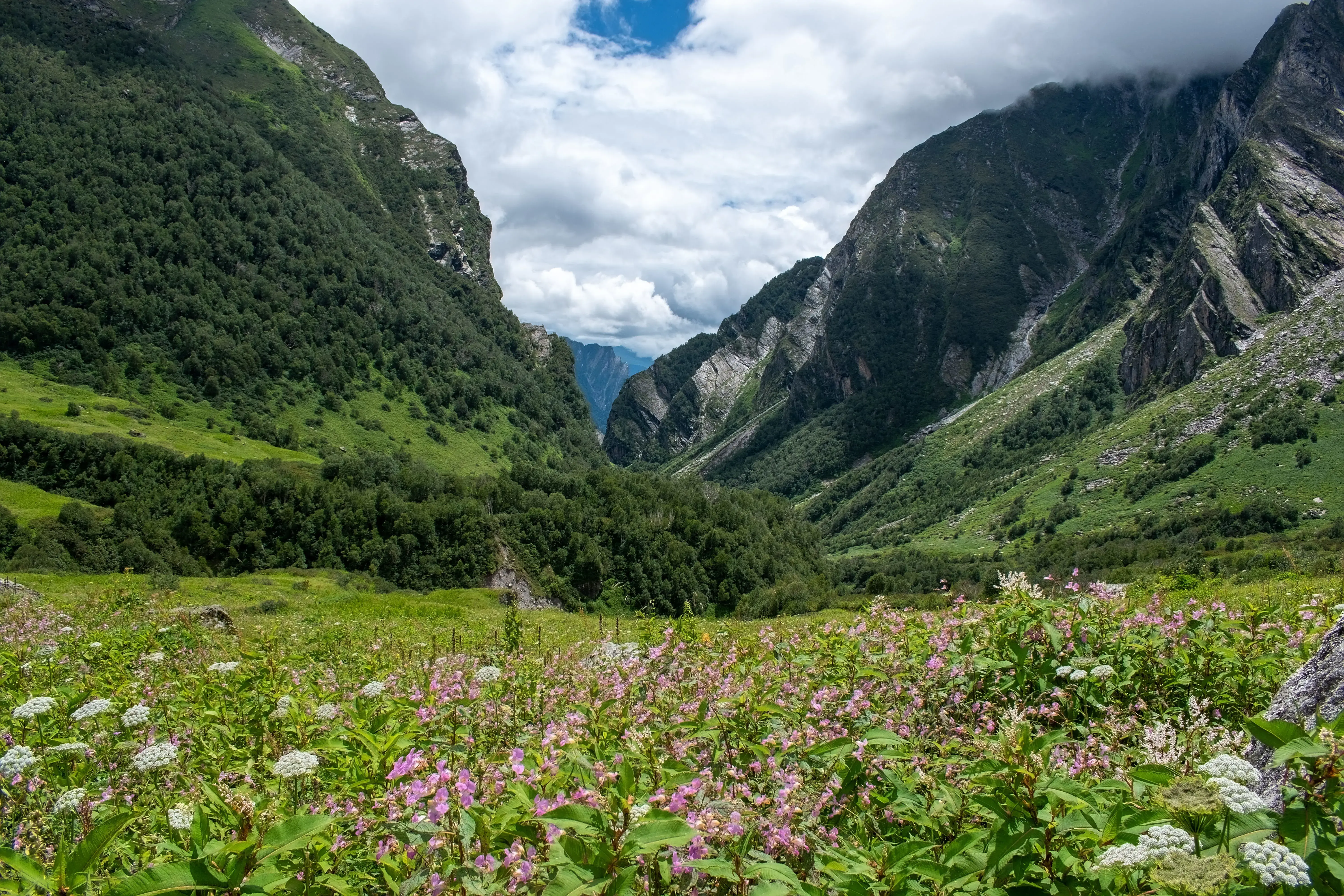
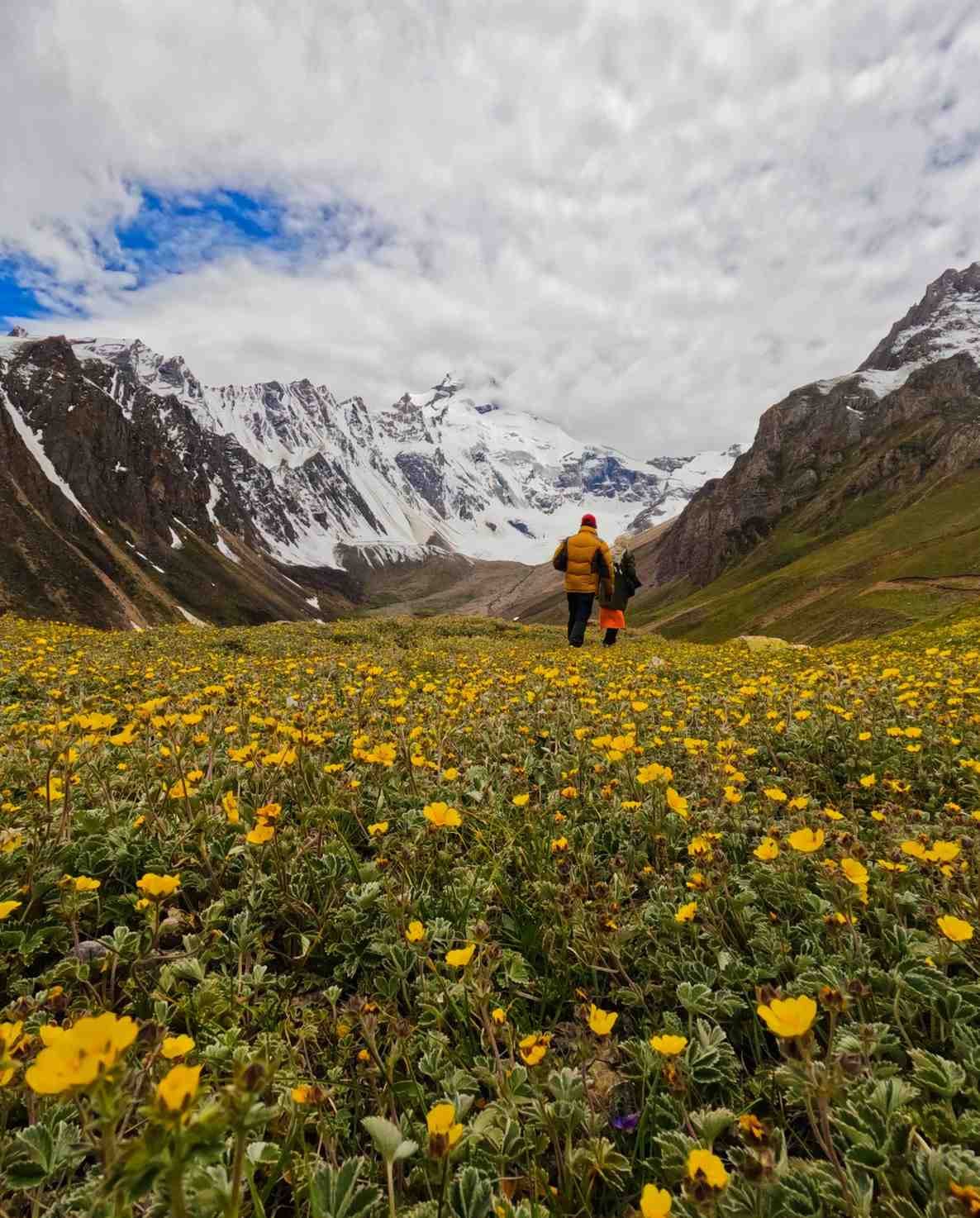
The valley of flowers is not merely a trekking destination; it is a geographic anomaly. Situated in the Chamoli district of Uttarakhand, this valley acts as a transition zone between the eastern and western Himalayan flora. For most of the year, it remains a barren, snow-covered graveyard. However, as the monsoon arrives, it transforms into a vibrant botanical sanctuary that hosts over 500 species of wild flowers. This rapid metamorphosis is what draws thousands to the valley of flowers trek every year.
The Legend and Discovery by Frank S. Smythe
The modern history of the valley is almost as romantic as the blooms themselves. In 1931, British mountaineer Frank S. Smythe, along with Eric Shipton and R.L. Holdsworth, lost their way while returning from a successful expedition to Mt. Kamet. They stumbled into a valley so laden with blossoms that they named it the "Valley of Flowers." Smythe later wrote a book by the same name, introducing this "hidden garden" to the world.
Before Smythe, the local villagers knew of the valley but rarely ventured inside. They believed it was inhabited by fairies (Apsaras) who would kidnap anyone who stayed too long. The intoxicating scent of the flowers, which can sometimes cause mild dizziness, likely fueled these legends.
Location, Altitude, and Ecosystem Overview
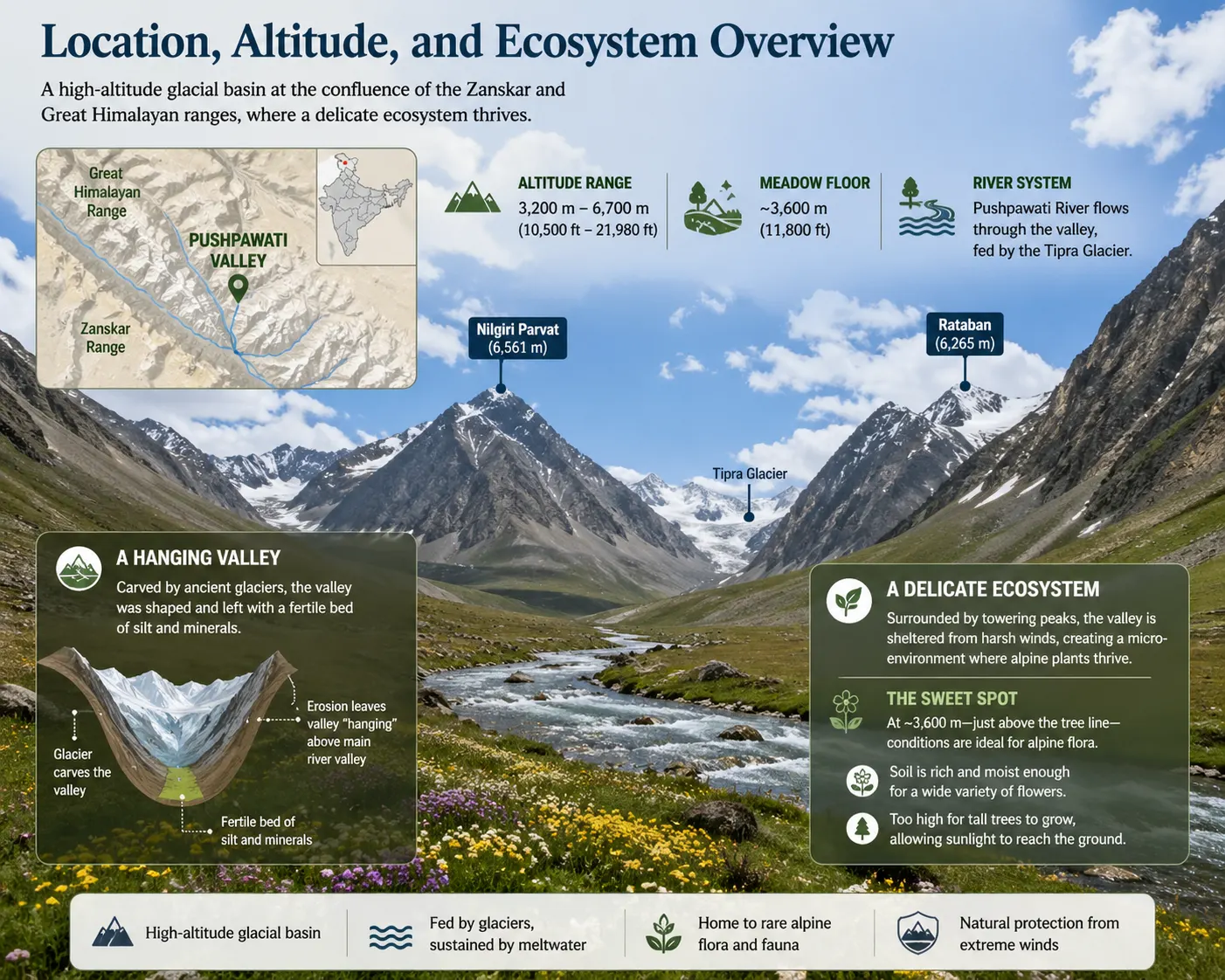
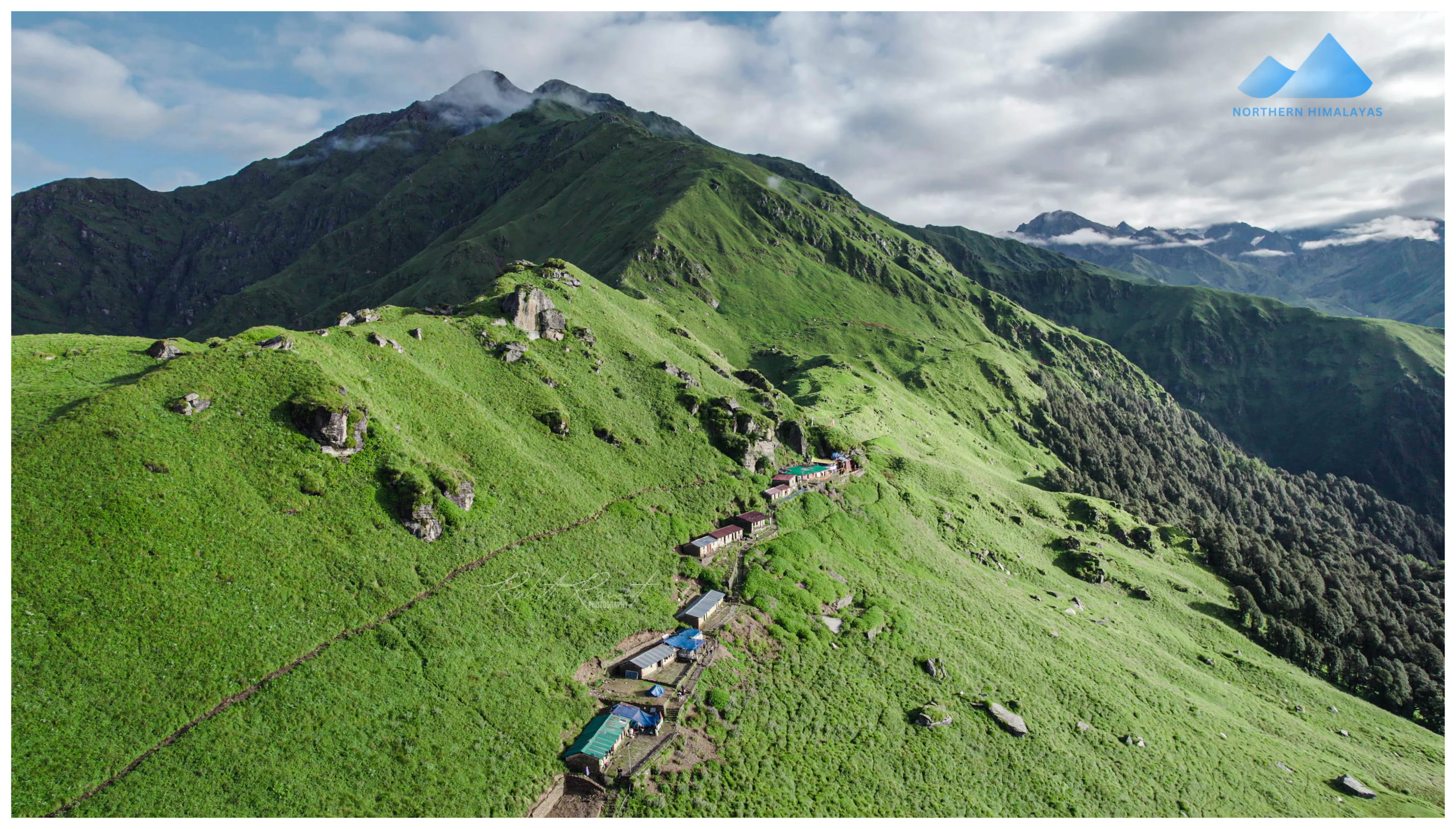
Geographically, the valley is a high-altitude glacial basin located at the confluence of the Zanskar and Great Himalayan ranges. It sits at an elevation ranging from 3,200 meters to 6,700 meters, though the main meadow floor is roughly at 3,600 meters (11,800 ft). The Pushpawati River flows through the center of the valley, fed by the Tipra Glacier.
The ecosystem here is delicate. It is a "hanging valley," meaning it was carved out by ancient glaciers that left behind a fertile bed of silt and minerals. The surrounding peaks, like Nilgiri Parvat and Rataban, protect the valley from the harshest winds, creating a micro-environment where alpine plants thrive. This specific altitude—just above the tree line—is the "sweet spot" for alpine flora, where the soil is rich enough for flowers but too high for tall trees to overshadow them.
A UNESCO World Heritage Site: What the Status Means for Trekkers
In 2005, the valley of flowers national park was designated a UNESCO World Heritage site, and for good reason. This status provides a layer of protection that is rare in India. For trekkers, this means strict regulations that actually enhance the experience. You cannot stay overnight in the valley; you must trek in from Ghangaria and exit by 5:00 PM.
This ensures that the "fairy-tale" quality of the meadow remains undisturbed by human waste or noise. The trails are maintained by the Forest Department, and every plastic bottle you carry in is counted at the entrance to ensure you bring it back out. This status guarantees that when you visit, you are seeing a landscape that looks exactly as it did when Frank Smythe first gazed upon it nearly a century ago.
What Makes the Valley of Flowers Special for Rare Flora
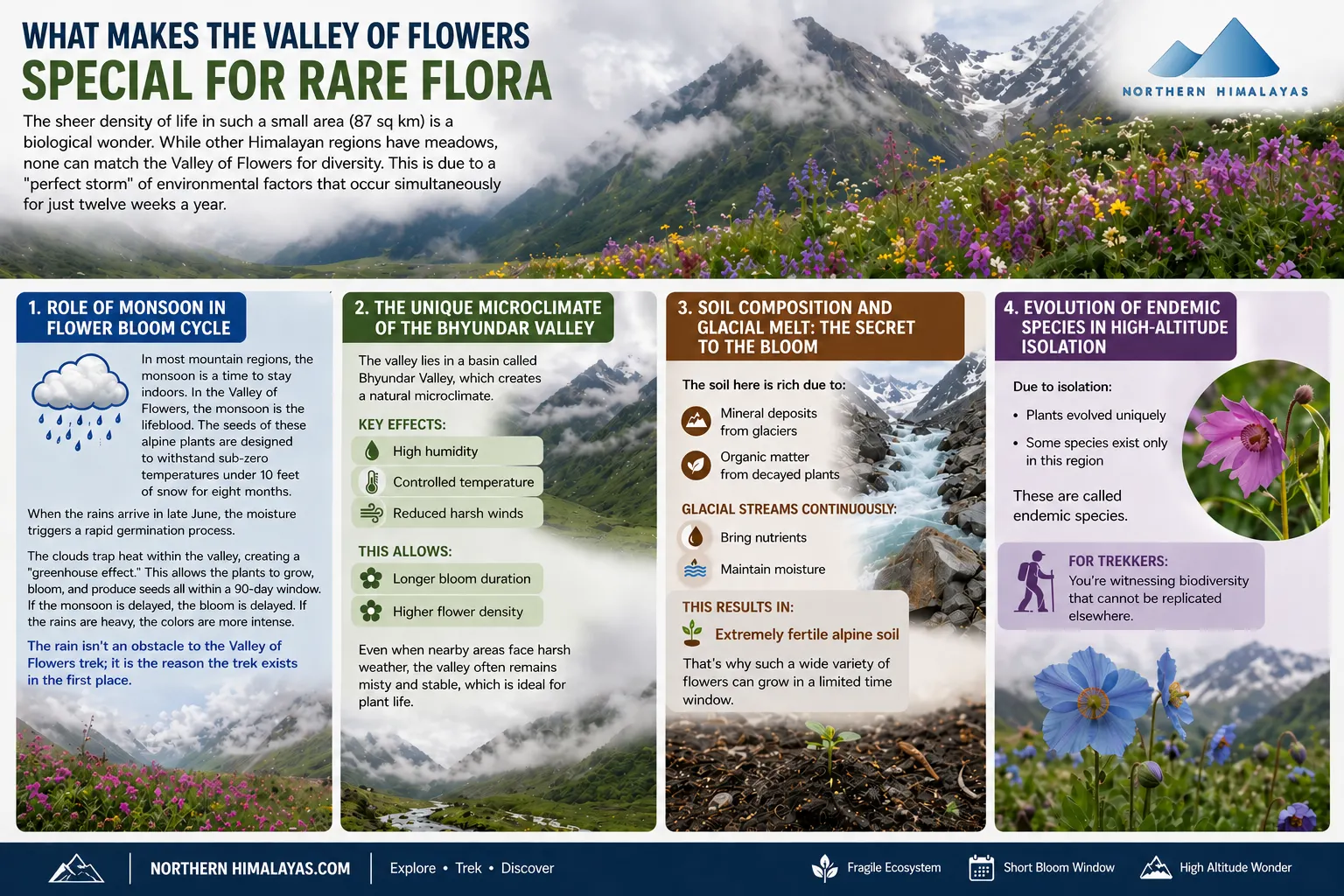
The sheer density of life in such a small area (87 sq km) is a biological wonder. While other Himalayan regions have meadows, none can match the valley of flowers for diversity. This is due to a "perfect storm" of environmental factors that occur simultaneously for just twelve weeks a year.
Role of Monsoon in Flower Bloom Cycle
In most mountain regions, the monsoon is a time to stay indoors. In the valley of flowers, the monsoon is the lifeblood. The seeds of these alpine plants are designed to withstand sub-zero temperatures under 10 feet of snow for eight months. When the rains arrive in late June, the moisture triggers a rapid germination process.
The clouds trap heat within the valley, creating a "greenhouse effect." This allows the plants to grow, bloom, and produce seeds all within a 90-day window. If the monsoon is delayed, the bloom is delayed. If the rains are heavy, the colors are more intense. The rain isn't an obstacle to the valley of flowers trek; it is the reason the trek exists in the first place.
The Unique Microclimate of the Bhyundar Valley
The valley lies in a basin called Bhyundar Valley, which creates a natural microclimate.
Key effects:
-
High humidity
-
Controlled temperature
-
Reduced harsh winds
This allows:
-
Longer bloom duration
-
Higher flower density
Even when nearby areas face harsh weather, the valley often remains misty and stable, which is ideal for plant life.
Soil Composition and Glacial Melt: The Secret to the Bloom
The soil here is rich due to:
-
Mineral deposits from glaciers
-
Organic matter from decayed plants
Glacial streams continuously:
-
Bring nutrients
-
Maintain moisture
This results in:
👉 Extremely fertile alpine soil
That’s why such a wide variety of flowers can grow in a limited time window.
Evolution of Endemic Species in High-Altitude Isolation
Due to isolation:
-
Plants evolved uniquely
-
Some species exist only in this region
These are called endemic species.
For trekkers:
👉 You’re witnessing biodiversity that cannot be replicated elsewhere
Flowers You Can Only See in the Valley of Flowers Uttarakhand
This is the core of the experience. While many flowers in the valley are common across the Himalayas, there are several "celebrity" blooms that are either endemic or reach their peak perfection only here.
The Himalayan Blue Poppy: The Elusive Queen of the Valley
Known scientifically as Meconopsis aculeata, the Blue Poppy is the undisputed star of the valley of flowers national park. Unlike the common red poppy, this high-altitude beauty has petals the color of a clear Himalayan sky.
It is a rare sight because it only grows in rocky, well-drained crevices at altitudes above 11,000 feet. It is often found near the "Smythe Memorial" or deeper toward the glacier. Spotting one is considered a badge of honor for trekkers. The petals have a silk-like texture, and the center is a bright, contrasting yellow. Seeing a Blue Poppy with raindrops clinging to its petals is the definitive image of the valley of flowers trek.
Cobra Lilies and Arisaema: The Alien-Like Residents
If the Blue Poppy is the beauty, the Cobra Lily (Arisaema jacquemontii) is the "beast." These plants look like a cobra standing with its hood flared. They come in shades of green, deep purple, and striped brown.
They are fascinating because they can change their sex from year to year based on the nutrients available in the soil. They thrive in the shaded, moist sections of the valley near the entrance. While they don't have traditional petals, their "spathe" (the hood) is a marvel of natural architecture, designed to lure insects into its tube for pollination.
Morina Longifolia and the Fragrance of the Alpine Meadows
The Morina longifolia, or the Long-leaved Morina, is responsible for much of the "mythical" scent of the valley. These flowers grow in tall, prickly whorls and change color from white to pink as they are pollinated.
As you walk through the meadows in August, the scent is thick and sweet, almost heavy. Trekkers often describe feeling a sense of "floral intoxication" when walking through a dense patch of Morina. They are incredibly hardy and can be seen standing tall even after a heavy downpour.
Elegant Slipper Orchids and Marsh Marigolds
The Cypripedium himalaicum (Himalayan Slipper Orchid) is a rare, delicate orchid that looks like a tiny, purple-veined velvet slipper. These are tiny and easily missed if you are rushing.
On the other hand, the Marsh Marigolds (Caltha palustris) are impossible to miss. They grow in the waterlogged areas near the riverbanks, creating bright splashes of gold. They are among the first to bloom, often pushing through the edges of melting snowbanks in late June and early July.
Lesser-Known Rare Flowers Trekkers Often Miss
Many species go unnoticed:
-
Anemones
-
Potentillas
-
Himalayan daisies
Why missed:
-
Small size
-
Blend with grass
Where to Spot These Flowers on the Trek
To see the best variety, you must go deeper than the "first meadow."
-
The Entrance (3km from Ghangaria): Look for Cobra Lilies and ferns.
-
The Middle Meadow: This is where the Balsams (pink) and Anemones thrive.
-
The Smythe Memorial: A hotspot for the Blue Poppy and Potentilla.
-
The Riverbanks: Look for Marsh Marigolds and Epilobium.
-
The Rocky Slopes toward Tipra Glacier: This is where you find the hardy species like Edelweiss and Saxifrages.
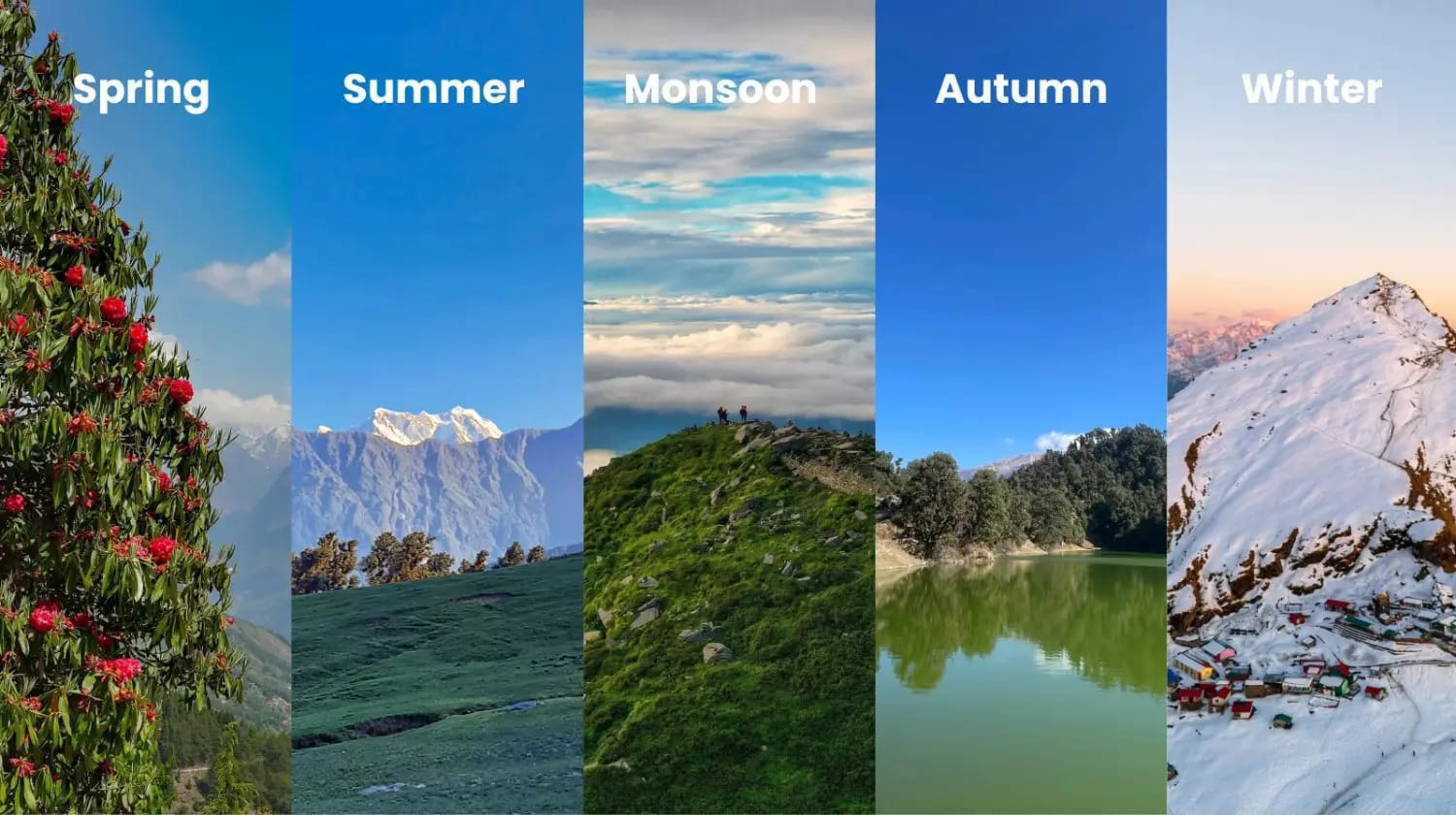
The Floral Calendar: Understanding the Best Time to Visit Valley of Flowers Uttarakhand
One of the most common mistakes trekkers make is thinking the valley looks the same all summer. In reality, the "cast of characters" changes every two weeks. The best time to visit valley of flowers uttarakhand depends entirely on what color palette you want to see
June: Melting Snow and the First Primulas
In June, the valley is just waking up. This is the time of the "Glacier Bloom." Large patches of snow still cover the ground, but where the snow has melted, tiny purple Primulas and yellow Marsh Marigolds emerge. It is a time of high contrast—white snow against brilliant green grass. It’s perfect for those who want to see the hemkund sahib trek while the lake is still partially frozen.
July: The Monsoon Awakening and the Arrival of the Blue Poppy
By mid-July, the rains have begun in earnest. The valley turns a deep, emerald green. This is when the Blue Poppies start to appear, along with the first wave of Lilies and Orchids. The crowds are moderate, and the weather is cool. This is the valley of flowers best time to visit if you want to see the rare species before the "common" Balsams take over the landscape.
August: The Peak Bloom and Maximal Color Density
August is the climax. The valley is at its most crowded, both with people and flowers. The "Balsam Bloom" turns the valley into a sea of pink and purple. It is the time of maximum density—you can hardly see the ground for the flowers. The Brahma Kamal is in full bloom near the hemkund sahib trek route. Be prepared for rain every day, but the sheer volume of flowers is worth the dampness.
September: The Golden Hour of Autumnal Hues
In September, the rains begin to recede. The flowers start to produce seeds, and the valley turns shades of gold, ochre, and bronze. The air is much clearer, offering the best views of the surrounding snowy peaks. While the flower count is lower, the "Vantage Point" views are superior. The Brahma Kamals are still standing, and the late-season Sunflowers provide a bright yellow farewell to the trekking season.
Best Time to Visit Valley of Flowers for Maximum Flower Variety
If you have to choose just one window for the valley of flowers best time to visit, aim for August 1st to August 20th.
During this 20-day window, the biological diversity is at its absolute peak. The early-season flowers like the Anemones are still hanging on, while the late-season giants like the Inula are just starting to bloom. Most importantly, this is the most reliable time to see the Blue Poppy.
However, you must weigh this against the logistics. This is the peak of the monsoon, meaning road blocks on the Rishikesh-Joshimath highway are common. It is also when the hemkund sahib trek is most crowded with pilgrims. If you prefer peace and clear skies over the sheer number of flowers, early September is a better choice. But for the true "flower enthusiast," August is non-negotiable.
How Weather and Altitude Affect Flower Bloom in the Valley
The valley of flowers national park is a lesson in vertical ecology. The plants you see at the entrance are completely different from what you see 5km deep. This is because every 100 meters of altitude gain changes the temperature and oxygen levels significantly.
The Role of the Indian Monsoon in Triggering Germination
The monsoon isn't just "weather" here; it's a biological switch. Many seeds in the valley have a thick outer coating that requires constant moisture to soften. The heavy July rains act as this softener.
Furthermore, the clouds protect the seedlings from the intense UV radiation of high altitudes. Without the monsoon clouds, the young plants would literally "sunburn" before they could bloom.
This is why the valley of flowers trek is so seasonally restricted—you cannot simply go in May and expect to see flowers; the seeds are literally waiting for the first drop of rain.
Vertical Distribution: How Flora Changes from Ghangaria to the Tipra Glacier
As you climb, the vegetation changes:
-
Ghangaria to Gate (9,000–10,000 ft): Dense forests of Maple, Birch, and Rhododendron.
-
The Valley Floor (11,000–12,000 ft): The "Meadow Zone." This is where the Balsams, Lilies, and Poppies dominate.
-
Above the Meadow (13,000+ ft): The "Alpine Scrub Zone." Trees disappear entirely. Plants become smaller, hugging the ground to stay warm. This is where you find the Brahma Kamal and various mosses and lichens.
The Impact of Global Warming on the Bloom Cycles
Over the last decade, trek leaders have noticed subtle changes. The "Peak Bloom" has started moving earlier into late July as temperatures rise. Some invasive species from lower altitudes are beginning to creep into the valley floor.
UNESCO and the Forest Department monitor this closely. For trekkers, this means that "historical" data on the best time to visit might be off by a week or two. It is always best to check recent trip reports or consult experts like Northern Himalayas who have boots on the ground throughout the season.
Can You See Brahma Kamal and Blue Poppy Here? (Reality Check)
Where Brahma Kamal Actually Grows (Hemkund Region)
The Saussurea obvallata (Brahma Kamal) is the state flower of Uttarakhand. Contrary to many travel brochures, it is not common on the main floor of the Valley of Flowers. It is a high-altitude specialist that prefers rocky slopes between 14,000 and 15,000 feet.
You are almost 100% guaranteed to see them on the hemkund sahib trek, specifically in the last 2km of the climb. They look like a head of cabbage but with delicate, translucent chartreuse petals. If you only visit the Valley and skip Hemkund, your chances of seeing a Brahma Kamal are very low.
Chances of Spotting Blue Poppy in the Valley
The Blue Poppy is definitely in the Valley, but it doesn't grow in massive "fields" like the Balsams do. It grows in small clusters, often tucked away in rocky corners. You have to actively "hunt" for it. Ask your trek leader for the "Blue Poppy zones." In August, your chances are about 80%, provided you are willing to walk at least 5-6km deep into the valley.
Common Misconceptions About These Flowers
-
"They bloom all year": No, they are strictly seasonal.
-
"They are everywhere": No, they are specific to certain altitudes and soil types.
-
"You can buy the seeds": It is illegal to take any part of the plant, including seeds, from the National Park. Any "Blue Poppy" seeds sold in local markets are usually common garden varieties, not the Himalayan species.
Tips for Identifying Flowers During the Valley of Flowers Trek
With 500 species, the valley can be overwhelming. Here is how to make sense of the "floral chaos."
Carrying a Botanical Guidebook vs. Using Offline Apps
There is no internet in the valley. If you use an app like "iNaturalist," make sure the database is downloaded for offline use. However, a physical guidebook (like the one by Frank Smythe or local forest department pamphlets) is often better. It doesn't run out of battery, and the illustrations are often tuned to the specific species found here.
Consulting Your Trek Leader: The Value of Local Knowledge
A good guide is better than any book. Local guides from Northern Himalayas have spent hundreds of days in the valley. They don't just know the names; they know the stories, the medicinal uses, and—most importantly—exactly which rock the Blue Poppy is blooming under this week.
Key Physical Features to Observe: Petals, Leaves, and Heights
If you want to identify a flower, look at:
-
The Leaf: Is it jagged, smooth, or hairy?
-
The Stem: Is it hollow or solid?
-
The Flower Head: Is it a single bloom or a cluster (inflorescence)? Taking a clear photo of the leaves as well as the flower will help you identify it later back at Ghangaria.
Common Mistakes Trekkers Make While Expecting Flower Blooms
Visiting at the Wrong Time
Coming in June expecting a "carpet of flowers" is the biggest mistake. You will see green grass and some snow, but the "valley" won't be "of flowers" yet.
Expecting Full Bloom Everywhere
The valley is huge. One section might be in full bloom while another is still budding. The flowers bloom in "waves." Don't be discouraged if the first meadow looks thin; keep walking.
Ignoring Weather and Visibility Conditions
If it is very foggy, you might walk right past a rare orchid. Take your time. The valley of flowers trek is not a race to a summit; it is a slow walk through a garden.
Responsible Trekking: Why You Should Never Touch or Pluck Flowers
The Legal Repercussions of National Park Violations
The valley of flowers national park is protected under the Wildlife Protection Act. Plucking a flower is a criminal offense that can lead to heavy fines or imprisonment. Forest guards are stationed throughout the valley.
Protecting the Seed Cycle: Ensuring Future Blooms
Every flower you pluck is thousands of seeds that won't be planted for next year. These plants are annuals or short-lived perennials; they must go to seed to survive.
The "Leave No Trace" Ethics in a UNESCO Zone
Stay on the designated paths. Stepping into the meadow to take a "perfect photo" crushes dozens of tiny seedlings and compacts the soil, making it harder for flowers to grow back next year.
Backpacking guide for mansoon trekking
Selecting the Right Waterproof Footwear and Traction
You need shoes with deep lugs. The stone-paved path to Ghangaria and the muddy tracks in the valley are incredibly slippery. Waterproofing (like Gore-Tex) is a bonus, but good grip is a requirement.
The Layering System: Staying Dry from Rain and Sweat
Wear synthetic "Quick-Dry" clothes. Avoid cotton. If you get wet in cotton, you will stay wet and cold, which can lead to hypothermia.
Protecting Electronics and Cameras in High Humidity
Carry "Dry Bags" or simple Ziplock bags. Put your phone and camera inside them before putting them in your backpack. The moisture in the air alone can damage sensitive electronics.
Essential Trekking Gear: Poles, Ponchos, and Dry Bags
A Poncho is better than a raincoat because it covers you and your backpack. Trekking poles are essential for saving your knees on the steep descent from Hemkund.
Why Booking a Valley of Flowers Package with Northern Himalayas is Your Best Choice
Benefits of Guided Trekking for Beginners
If this is your first Himalayan trek, the logistics of transport, permits, and altitude can be daunting. A guided trek removes the stress, allowing you to focus on the beauty.
Small Group Sizes for an Intimate Botanical Experience
Northern Himalayas focuses on small groups. This means you aren't lost in a crowd. You can actually hear the guide explaining the flora and have the time to take photos without being rushed.
Certified Guides with Deep Regional Expertise
Our guides are certified in first aid and have years of experience in the Chamoli region. They know the weather patterns and the secret spots for the best blooms.
Focus on Safety Protocols and Oxygen Support
At 15,000 ft (Hemkund), safety is paramount. we carry oxygen cylinders and oximeters to monitor your health every day.
Seamless Logistics from Rishikesh to Ghangaria
From picking you up at Rishikesh to ensuring you have a warm bed and hot meal in Ghangaria, we handle everything
final thoughts:
The valley of flowers is a fleeting masterpiece. It exists for only a few weeks a year, reminding us of the beauty and fragility of high-altitude ecosystems. Whether you go for the rare Blue Poppy or the spiritual pull of Hemkund, this trek will change how you look at the natural world.
Faqs
1. Is the Valley of Flowers trek difficult?
It is considered "Easy-Moderate." The paths are well-defined, but the altitude and the steep climb to Hemkund Sahib require good cardiovascular fitness.
2. Can I see the flowers in May?
No, the park is usually closed or just opening in May. There are very few flowers; mostly just melting snow.
3. What is the total trekking distance?
Approximately 38-40 km over 4 days (including Ghangaria and back).
4. Is mobile network available?
BSNL and Jio work sporadically in Ghangaria, but there is no network inside the Valley or at Hemkund.
5. Do I need special permits?
Yes, a Forest Department permit is required, which is included in the Northern Himalayas package.