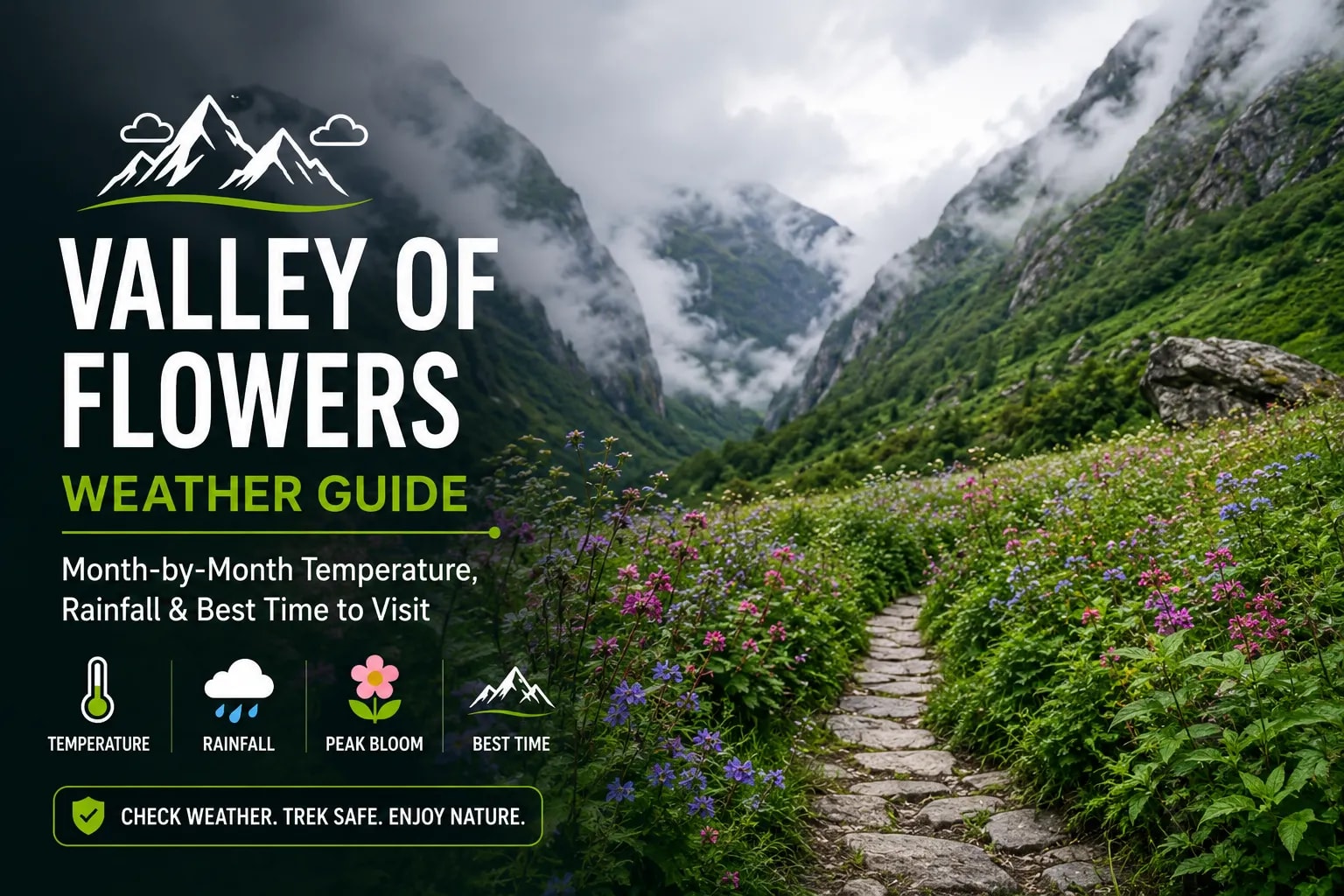
Valley of Flowers Weather – Quick Overview
The Valley of Flowers is located in the Chamoli district of Uttarakhand at an altitude of about 3,600–3,700 metres in the Himalayas. Because of its high elevation, the weather is very different from the plains and can change quickly.
One of the most important things to know is that Himalayan weather is unpredictable. A bright, sunny morning can turn cloudy, foggy, or rainy within a short time. It's common for the weather to be different even between nearby locations, so don't rely only on a weather app when planning your trek.
During the trekking season (June to October), daytime temperatures usually range between 10°C and 20°C, while nights can drop to 5°C or even close to 0°C. As you climb from Govindghat to Ghangaria and then to the Valley of Flowers, the temperature becomes noticeably cooler.
For a comfortable trek, pack quick-dry trekking clothes, a warm fleece or light insulated jacket, a waterproof rain jacket or poncho, full-length trekking pants, and a woollen cap for chilly mornings and evenings. This combination will keep you comfortable in changing mountain weather.
Valley of Flowers Weather Month by Month
The Valley of Flowers trekking season runs from June to October, and the weather changes a lot from one month to another. Choosing the right month depends on whether you want clear mountain views, colourful flowers, or pleasant trekking weather.
Valley of Flowers Weather in June
June marks the opening of the trek, right after the park reopens following winter closure, and the weather here is generally the most stable of the entire season. Days are pleasantly warm, ranging from 10°C to 20°C, with clear skies more often than not, though occasional pre-monsoon showers can still catch you off guard.
Snow from winter is often still melting in early June, especially at higher points along the route, which means trails can be a bit slushy in patches even without rain. Flowers are just starting to bloom this month, so you won't see the valley at its most colourful yet, but you'll get some of the clearest mountain views of the entire season, since monsoon clouds haven't rolled in.
Valley of Flowers Weather in July
July is when the monsoon properly arrives, and rainfall increases sharply compared to June. Expect frequent showers, often daily, ranging from light drizzle to sudden heavy spells that can last a few hours. Temperatures hover between 8°C and 18°C, and humidity levels rise noticeably, making the air feel heavier and cooler than the numbers alone suggest.
This is also when the valley genuinely starts coming alive with flowers, since monsoon rain is exactly what triggers the early blooming cycle. The trade-off is clear: better flowers, but wetter, slower trekking conditions. If you're trekking in July, build extra time into your itinerary for possible weather delays, and don't expect the same clear mountain views you'd get in June.
Valley of Flowers Weather in August
August is peak monsoon and, honestly, the most demanding month weather-wise for this trek. Rainfall is at its heaviest, often continuous for days at a stretch, with temperatures similar to July but conditions noticeably wetter underfoot. This is also the month with the highest landslide risk along the approach road to Govindghat.
The silver lining is that August typically brings the valley's fullest, most spectacular flower bloom, which is exactly why so many photographers and flower enthusiasts still choose this month despite the challenges. If you're set on trekking in August, go in with realistic expectations — waterproof everything, expect delays, and understand that this month rewards patience more than comfort.
Valley of Flowers Weather in September
September marks a genuine shift as monsoon intensity starts easing, though light rain can still occur, especially in the first half of the month. Temperatures range from 6°C to 16°C, and by the latter half of September, skies tend to clear up considerably, offering some of the best mountain visibility since June.
Flowers begin tapering off through September, though you'll still catch a good variety, especially early in the month. This is often considered one of the best all-round windows for the trek, balancing decent flower viewing with noticeably drier, more predictable trail conditions compared to July and August.
Valley of Flowers Weather in October
October is the tail end of the trekking season, and weather turns distinctly cooler and drier, with daytime temperatures between 5°C and 12°C and nights dropping close to freezing. Rain becomes rare, and skies are usually clear, making this a great month for mountain views and comfortable, dry trekking.
The trade-off here is flowers — by October, most of the bloom has faded, leaving a more subdued, golden-brown landscape rather than the colourful carpet you'd see in July or August. This month suits trekkers who prioritise clear weather and stable trails over peak floral displays, and it's also when the park typically prepares to close for the season.
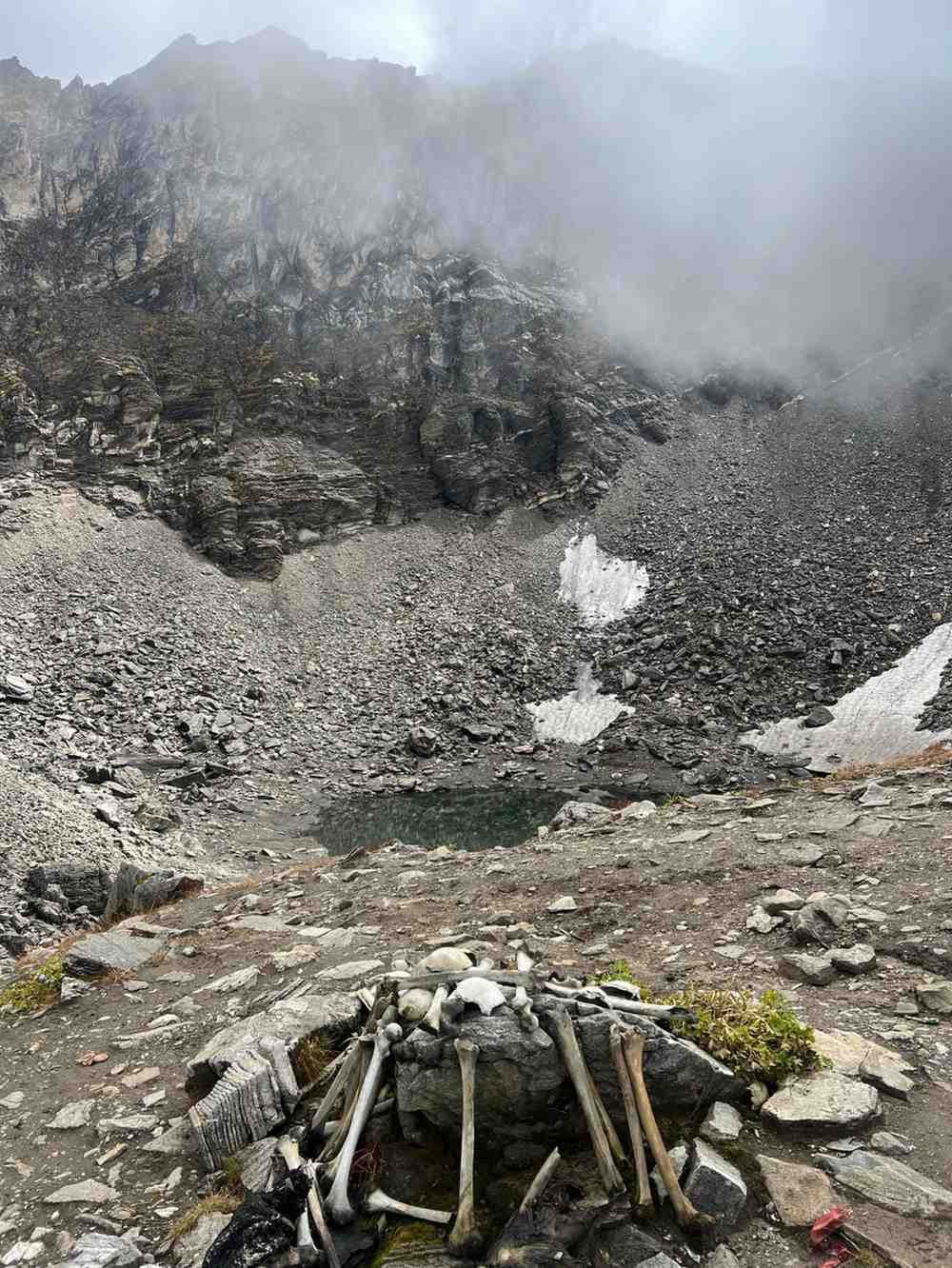
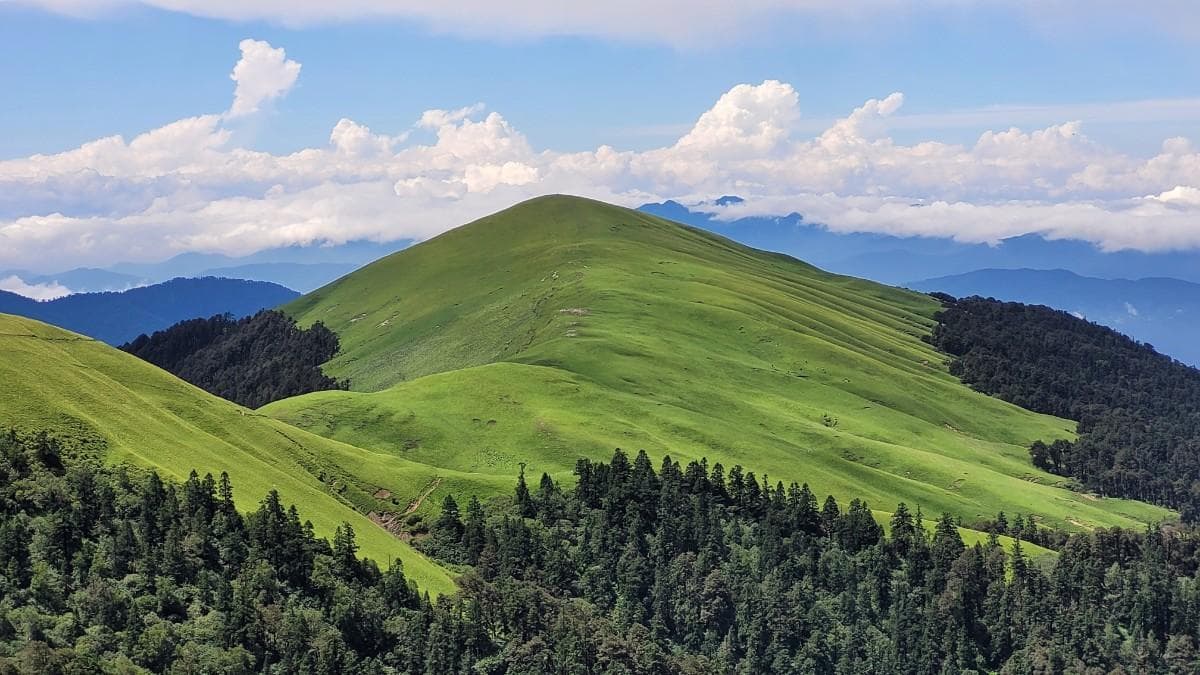
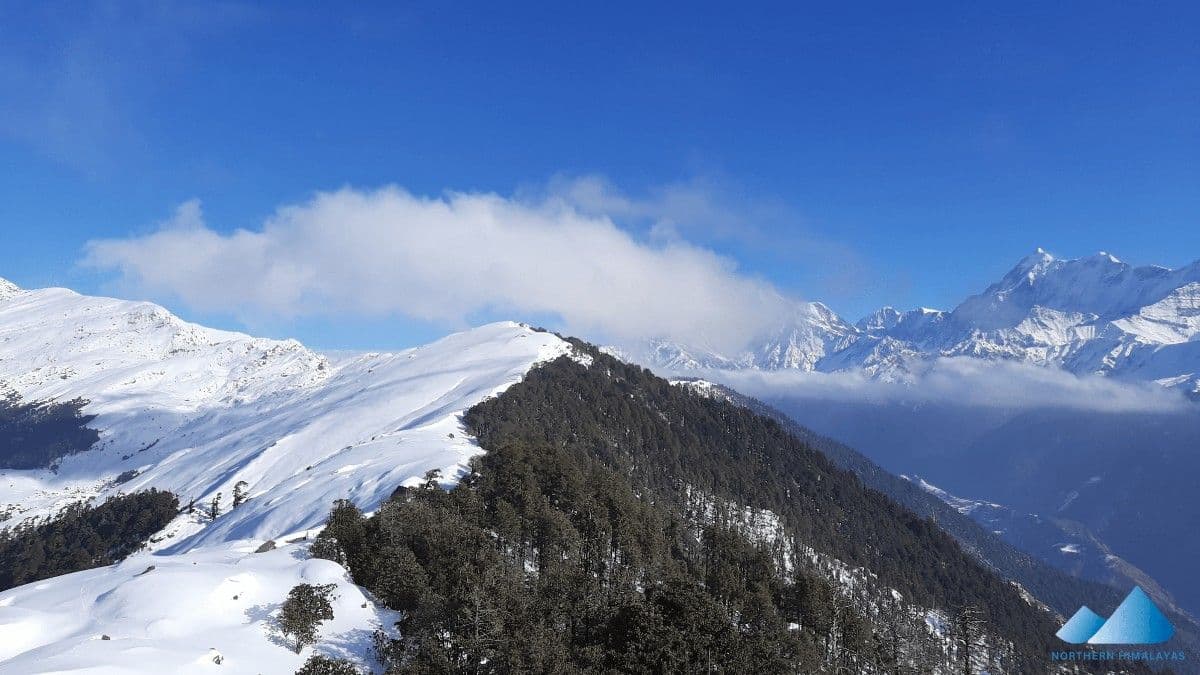
Rainfall and Monsoon Conditions
Rain is one of the biggest factors that affects your Valley of Flowers trek. Since the trekking season falls during the monsoon, it's important to know what to expect before you plan your trip.
How Much Rain Does the Valley Receive?
The Valley of Flowers receives moderate to heavy rainfall during the trekking season, with July and August getting the highest amount of rain. Instead of raining all day, the weather often brings short but heavy showers, followed by clear or cloudy skies.
Because mountain weather changes quickly, a day that starts with sunshine can turn into heavy rain within a few hours. Even if the forecast predicts only moderate rain, the trails can become muddy and slippery after a brief downpour. That's why it's always best to carry rain gear and waterproof trekking shoes, no matter what the weather forecast says.
Why July and August Experience Heavy Rainfall
July and August sit right in the peak of the Indian monsoon cycle, when moisture-laden winds from the Bay of Bengal and Arabian Sea push deep into the Himalayan foothills and get trapped against the mountains. This geographic effect is exactly why hill regions like this one see intensified rainfall compared to nearby lower-altitude areas during these two months.
Ironically, this same heavy rainfall is what makes the valley's flowers bloom so dramatically during this period, since the plants here are adapted to depend on this exact monsoon moisture. Understanding this trade-off — heavy rain fuels the very bloom you're travelling to see — helps set realistic expectations rather than hoping for a rain-free peak-bloom trip, which rarely happens.
Landslide Risks During the Monsoon
The approach road to Govindghat, particularly stretches prone to loose, steep hillsides, carries real landslide risk during heavy monsoon spells, especially in July and August. This isn't a rare, freak occurrence — it's a known seasonal pattern that local authorities and experienced operators actively monitor every year.
Landslide risk increases specifically after multiple consecutive days of heavy rain, when hillside soil becomes fully saturated and loses its grip. If you're trekking during peak monsoon, build buffer days into your itinerary in case of road closures, and always check current road status before departure rather than assuming the route is automatically clear.
How Rain Affects the Trek
Beyond the obvious discomfort, rain changes the actual mechanics of trekking here. Trails become slippery, stream crossings can swell unexpectedly, and pace slows considerably since careful footing matters more than speed. What might be a comfortable 4-hour trek in dry conditions can stretch to 5 or 6 hours in steady rain.
Rain also affects visibility and morale — trekking for hours under grey skies with limited mountain views tests patience differently than physical stamina. Beginners especially should mentally prepare for this: monsoon trekking here is less about raw fitness and more about patience, careful footing, and accepting that the experience will look and feel different from a dry-season trek.
Best Time to Visit Valley of Flowers Based on Weather
There's no single "best" month for everyone — it genuinely depends on what you're prioritising, so let's break this down by specific goals rather than giving one blanket answer.
Best Time for Pleasant Weather
If comfortable weather is your priority, June and October stand out clearly, offering the most stable conditions with minimal rain disruption. Both months give you a realistic shot at clear skies, dry trails, and comfortable daytime temperatures without the unpredictability that defines July and August.
Between the two, June offers slightly milder nights, while October brings crisper, clearer air, especially in its second half. If you're a beginner nervous about monsoon trekking, choosing either of these months takes a major variable out of the equation, letting you focus on the physical trek itself rather than constant weather monitoring.
Best Time to See Peak Blooming Flowers
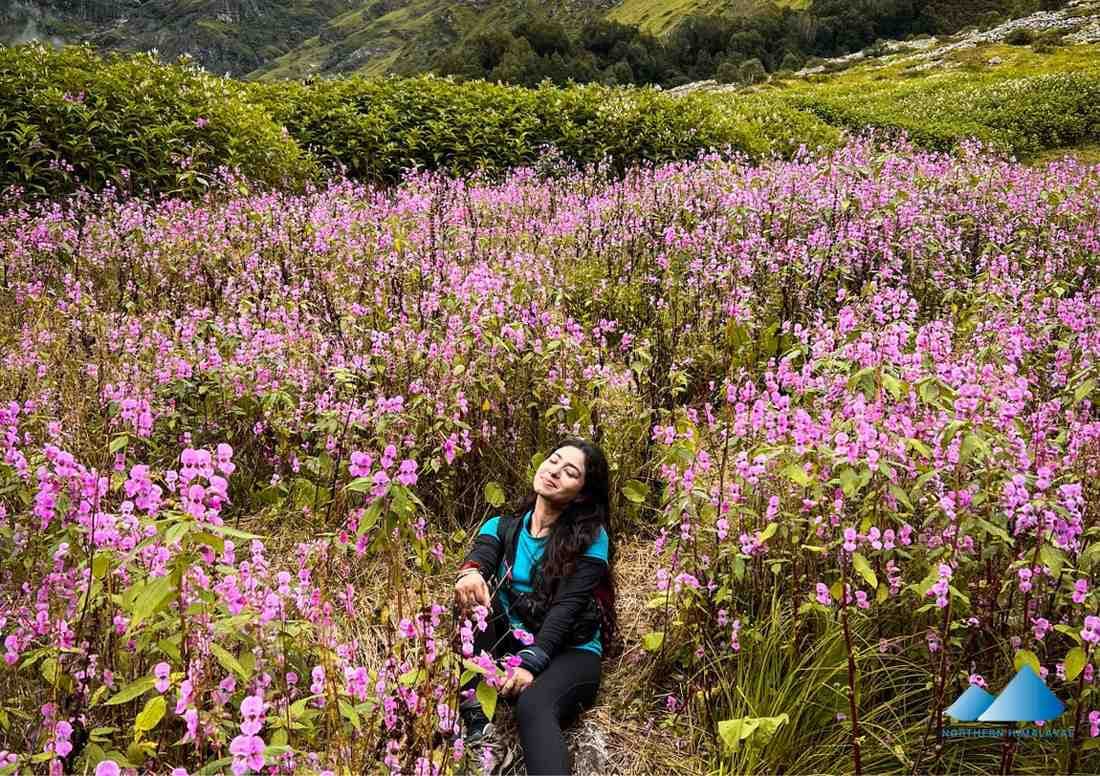
For the fullest, most colourful flower display, mid-July through August is unmatched, since this is exactly when the valley's flora responds to peak monsoon moisture. This is a genuine trade-off, though — you're choosing flowers over comfort, and both weather and trail conditions will be noticeably more challenging during this window.
If peak bloom is non-negotiable for you, go in prepared rather than hopeful: proper rain gear, flexible itinerary days, and realistic expectations about slower pace and reduced mountain visibility. Trekkers who accept this trade-off upfront tend to enjoy the trip far more than those expecting both perfect weather and perfect flowers simultaneously.
Best Time for Photography
The best time for photography depends on what you want to capture.
-
Late July and August are perfect for photographing the valley's colourful flowers, as this is when the blooms are at their peak.
-
Late September and October offer the clearest skies, making them ideal for capturing snow-capped mountains and wide Himalayan landscapes.
If you want a mix of beautiful flowers and clear mountain views, early September is the best time to visit. It offers a good balance of blooming flowers, pleasant weather, and better visibility for photography.
Best Time for Beginners
For beginner trekkers, June and September are generally the most forgiving months, combining manageable weather with relatively stable trail conditions. Both avoid the heaviest rain spells of peak monsoon while still offering a good trekking experience and reasonable — if not peak — flower viewing.
Beginners should also factor in realistic fitness expectations regardless of month: this trek involves sustained daily walking at altitude, and even in the best weather, altitude alone adds strain that flat-terrain fitness doesn't fully prepare you for. Building basic cardio fitness for 3 to 4 weeks before the trip — brisk walking, stair climbing, or light jogging — makes a genuine difference in how comfortably you handle the altitude, regardless of which month you choose.
Weather During the Valley of Flowers Trek
Weather doesn't stay uniform across the entire route — each stage of the trek has its own conditions worth understanding separately.
Govindghat weather sits at the lowest altitude on this route, around 1,800 metres, and generally feels the mildest and warmest of all the stops. Even during monsoon months, Govindghat rarely feels as cold or as intensely wet as higher points, making it a relatively comfortable starting base regardless of season.
Ghangaria weather, sitting around 3,000 metres, feels noticeably cooler and is where most trekkers first experience real mountain weather shifts — sudden cloud cover, quick temperature drops after sunset, and a genuine chill even in June. This is your base camp for both Valley of Flowers and Hemkund Sahib, so expect cooler evenings here regardless of what the daytime weather looks like lower down.
Valley of Flowers National Park weather, at around 3,600 metres, is the most exposed and changeable of all, with conditions shifting within the same day — clear morning skies giving way to afternoon drizzle is extremely common, especially from July through early September. Trekkers often underestimate how differently the valley itself feels compared to Ghangaria, just a few hours' walk away.
Hemkund Sahib weather, at roughly 4,300 metres, is the coldest and most unpredictable point on this entire circuit, with temperatures often near or below freezing even in peak summer months, and snow patches lingering well into June some years. If you're combining both treks, pack for genuinely cold, high-altitude conditions here, regardless of how mild Govindghat felt when you started.
How Weather Affects the Trek Experience
Beyond raw numbers like temperature and rainfall, weather shapes the actual day-to-day feel of this trek in ways worth understanding before you go.
Trail Conditions During Rain
During the monsoon, the Valley of Flowers trail becomes wet, muddy, and slippery. Rocky paths can also become difficult to walk on, so you may need to move more slowly and carefully than usual.
To stay safe and comfortable, wear waterproof trekking shoes with good grip and use trekking poles if possible, as they provide extra balance on slippery sections. Avoid regular sports shoes, as they can slip easily on wet trails. Walking at a steady pace and watching your footing will make the trek much safer and more enjoyable.
Visibility and Mountain Views
Cloud cover during monsoon months can reduce visibility from clear, sweeping mountain views to just a few metres of white fog within minutes. This is a genuine emotional adjustment for many first-time trekkers who've seen glossy photos online and expect the same clear backdrop on every single day of their trip.
Managing this expectation honestly matters: if you're trekking in July or August, treat any clear-view moment as a bonus rather than a guarantee, and focus your excitement on the flowers and overall experience rather than banking entirely on postcard-perfect mountain photography.
Flower Blooming Cycle
The valley's flowering cycle is directly tied to monsoon rainfall, starting modestly in June, building through July, peaking in August, and gradually fading by late September into October. This cycle isn't random — it's the plants' natural adaptation to this specific rainfall pattern, which is exactly why timing your visit around bloom stages matters so much.
Different flower species bloom at slightly different points within this cycle too, so even within July or August, the exact mix of colours you see can vary week to week. This is part of why repeat trekkers sometimes visit in different months across different years — each visit genuinely shows a different version of the same valley.
What to Pack According to the Weather
Packing smart for this trek means packing for genuine weather variability, not just one expected condition.
Clothing guide: Layer up rather than relying on one heavy jacket, since temperatures shift significantly between Govindghat, Ghangaria, and the valley itself. A moisture-wicking base layer, a warm mid-layer like fleece, and a waterproof outer shell together handle both cold mornings and sudden rain far better than a single bulky jacket.
Rain gear: A proper rain poncho or waterproof jacket, along with a rain cover for your backpack, is non-negotiable for any trek between June and September. Umbrellas don't work well here due to wind and narrow trail sections, so invest in genuine waterproof gear rather than treating this as an afterthought.
Trekking shoes: Choose waterproof trekking shoes with good ankle support and deep tread grip, since wet, uneven trails demand far more from your footwear than dry-season trekking. Breaking in new shoes weeks before your trip, rather than wearing them for the first time on the trail, prevents painful blisters that can derail your entire trek.
Backpack essentials: Beyond clothing, carry a dry bag or ziplock pouches for electronics and documents, a reliable headlamp, basic first-aid supplies, and enough energy snacks for delays caused by weather. Packing light still matters, but packing smart for wet conditions specifically is what actually protects your comfort and safety on this trek.
Safety Tips for Trekking During the Monsoon
Monsoon trekking here is manageable, but only if you take specific, practical precautions rather than vague "be careful" advice.
Landslide Safety
Always check current road and trail status with local authorities or your trek operator before departure, especially during July and August when landslide risk peaks. If you're already on the route and notice signs like falling debris, unusual water flow, or cracking sounds on a slope, move away from that stretch immediately rather than waiting to assess further.
Avoid travelling on the Govindghat approach road during or immediately after heavy, sustained rainfall, since this is exactly when saturated hillsides are most likely to give way. Building flexible buffer days into your itinerary means you're not forced to push through a risky stretch just to stay on schedule.
Walking on Wet Trails
Slow down deliberately on wet, rocky, or muddy sections rather than maintaining your normal dry-weather pace — most monsoon trekking injuries come from rushed footing on slippery surfaces, not from distance or altitude alone. Use trekking poles actively for extra balance points, especially on downhill stretches where slips are most common.
Test each step before committing your full weight, particularly on smooth rock surfaces that look dry but hold a thin, near-invisible film of moisture. This deliberate, slower pace isn't a sign of weakness — it's exactly how experienced trekkers stay injury-free through monsoon conditions.
Weather Emergency Planning
Always inform your accommodation or trek operator of your daily plan and expected return time, so someone knows to raise an alarm if you don't check in. Carry a basic emergency kit with a whistle, extra dry layers, and enough food to sustain you through an unexpected multi-hour delay.
If the weather turns severe mid-trek — heavy, sudden rain or thick fog with zero visibility — the safest move is usually to pause at the nearest safe point rather than push forward or attempt to rush back. Waiting out a bad spell, even for a few hours, is almost always safer than navigating unfamiliar terrain in poor visibility.
Weather Forecast and Live Updates
Checking a single forecast weeks before your trek tells you very little about actual conditions on your travel day, so building a habit of ongoing checks matters.
How to check the latest forecast: Check weather updates at three key points — when you first book, about a week before departure, and again the night before you actually start trekking. This staged approach catches sudden shifts that a single early check would completely miss, giving you real time to adjust packing or itinerary if needed.
Reliable weather sources: Rely on the India Meteorological Department's regional forecasts for the most scientifically grounded outlook, and cross-check with your trek operator, who typically has real-time, ground-level updates from guides already on the route. Avoid basing decisions purely on generic weather apps, which often struggle to capture hyper-local mountain weather shifts accurately at this altitude.
Frequently Asked Questions
What is the best month to visit Valley of Flowers?
There's no single best month for everyone — June and September offer the most balanced weather, July and August deliver the fullest flower bloom despite heavy rain, and October gives the clearest skies with faded flowers. Choose based on whether you prioritise comfort, photography, or peak bloom.
Does it rain every day in the Valley of Flowers?
Not every single day, but during July and August, rain occurs on most days, often in intense short bursts rather than constant drizzle. June, September, and October see noticeably less frequent rainfall, with October being the driest month of the trekking season.
Is July too rainy for the trek?
July is genuinely rainy, but not "too rainy" to trek — thousands of pilgrims and trekkers complete it successfully every year. It does require proper rain gear, a flexible itinerary, and realistic expectations about slower pace and reduced mountain visibility compared to drier months.
Can beginners trek during the monsoon?
Yes, beginners can trek during monsoon months, but it demands more preparation — proper waterproof gear, slower and more careful pacing, and mental readiness for wet trails and limited views. First-time trekkers who prefer an easier introduction may find June or September more forgiving.
Is the trek safe during heavy rainfall?
The trek is generally safe with proper precautions, but heavy, sustained rainfall increases landslide risk on the Govindghat approach road and makes trail sections more slippery. Always check current conditions before departure and avoid pushing through a route during or right after intense rain spells.
Can the trek be cancelled because of rain?
Yes, in cases of severe, sustained rainfall or confirmed landslide damage, local authorities or trek operators may pause or reroute the trek temporarily for safety reasons. This is uncommon but does happen during peak monsoon years, so building flexibility into your travel dates is wise.
What should I wear for the Valley of Flowers trek?
Wear layered clothing — a moisture-wicking base layer, a warm fleece mid-layer, and a waterproof outer shell — along with waterproof trekking shoes with good grip. Always carry proper rain gear, including a poncho and backpack rain cover, regardless of which month you're trekking in.