Table of Contents
- Is Char Dham Yatra Safe During the Monsoon?
- Understanding the Monsoon Season on the Char Dham Route
- Char Dham Weather Month-by-Month
- Seasonal Comparison – Summer vs Monsoon vs Post-Monsoon vs Winter
- Major Risks of Travelling During Char Dham Monsoon
- Is the Kedarnath Trek Safe During Rain?
- Is Char Dham Helicopter Yatra Safe During Monsoon?
- Government Guidelines & Safety Measures for Monsoon Travel
- Road Conditions During the Monsoon
- What to Do If It Starts Raining During Your Char Dham Yatra
- Essential Safety Tips for Char Dham During Monsoon
- Packing List for Char Dham During Monsoon
- Health Precautions During the Rainy Season
- Who Should Avoid Char Dham Yatra During the Monsoon?
- Best Time to Visit Char Dham If You Want to Avoid Rain
- Frequently Asked Questions
Planning your Char Dham Yatra in July or August and wondering if it's safe? You're not alone. The Char Dham Yatra monsoon safety depends on the weather, road conditions, and how well you prepare for the journey. While thousands of pilgrims complete the yatra during the rainy season every year, heavy rainfall can cause landslides, slippery roads, and travel delays. In this guide, you'll learn about the real risks, essential safety tips, the best time to travel, and practical precautions to help you plan your Char Dham Yatra with confidence.
Is Char Dham Yatra Safe During the Monsoon?
Yes, Char Dham Yatra can be safe during the monsoon, but only if you travel with proper planning and follow official weather and safety advisories. The rainy season brings challenges like landslides, slippery roads, traffic delays, and occasional route closures, so flexibility is essential.
Even with these risks, thousands of pilgrims successfully complete the Char Dham Yatra every monsoon. Most safe journeys happen because travellers check weather updates regularly, keep 1–2 buffer days in their itinerary, avoid travelling during heavy rain, and follow instructions from the local administration.
However, a monsoon yatra is not the best choice for everyone. You should consider postponing your trip if:
-
You have heart, lung, or other serious medical conditions.
-
You are travelling with very young children or elderly family members.
-
You cannot adjust your travel dates if roads or helicopter services are delayed.
-
You are not comfortable trekking on wet and slippery mountain trails, especially to Kedarnath.
If you can choose your travel dates, September and early October are generally safer than July and August, as rainfall decreases while the weather remains pleasant. If you must travel during the monsoon, prepare well, stay updated on weather conditions, and always put safety ahead of sticking to a fixed schedule.
Understanding the Monsoon Season on the Char Dham Route
Understanding the monsoon on the Char Dham route helps you plan your journey safely. Weather in the Himalayas changes quickly, and even a few days' difference in your travel date
When Does the Monsoon Begin in Uttarakhand?
The monsoon usually arrives in Uttarakhand between mid and late June. During the first half of June, the weather is generally pleasant with only occasional showers. As the month progresses, rainfall becomes more frequent, and by July, the monsoon is usually at its peak.
This gradual change is important for travellers. A trip planned in early June is generally much less affected by rain than one scheduled for the last week of June or July. If your travel dates are flexible, travelling a week or two earlier can reduce the chances of heavy rainfall, landslides, and road delays while still allowing you to enjoy the Char Dham Yatra comfortably.
Which Months Receive the Heaviest Rainfall? (July, August & Early September)
July and August are unambiguously the peak monsoon months on this route, receiving the heaviest and most sustained rainfall of the year, with early September often still carrying residual monsoon activity before conditions genuinely clear. This three-month stretch accounts for the vast majority of monsoon-related road closures and travel disruptions reported on the Char Dham route each year.
Early September is a transition month. In some years, the weather starts improving from the beginning of September, while in others, rainfall continues until the middle of the month. Instead of depending only on the calendar, always check the latest weather forecast and road conditions before starting your journey. This helps you plan your trip more safely.
Why Weather Changes So Quickly in the Himalayas
Weather in the Himalayas changes much faster than in the plains. A place may have bright sunshine in the morning, but heavy rain, fog, or strong winds can appear within a short time. It is also common for one valley to receive heavy rain while another nearby remains dry.
This happens because of the high mountains, changing altitude, and narrow valleys. As you travel from lower areas like Rishikesh to higher places such as Kedarnath or Badrinath, the weather can change several times in a single day. That's why it's important to check the latest weather updates every morning and be prepared for sudden changes, even if the day starts with clear skies.
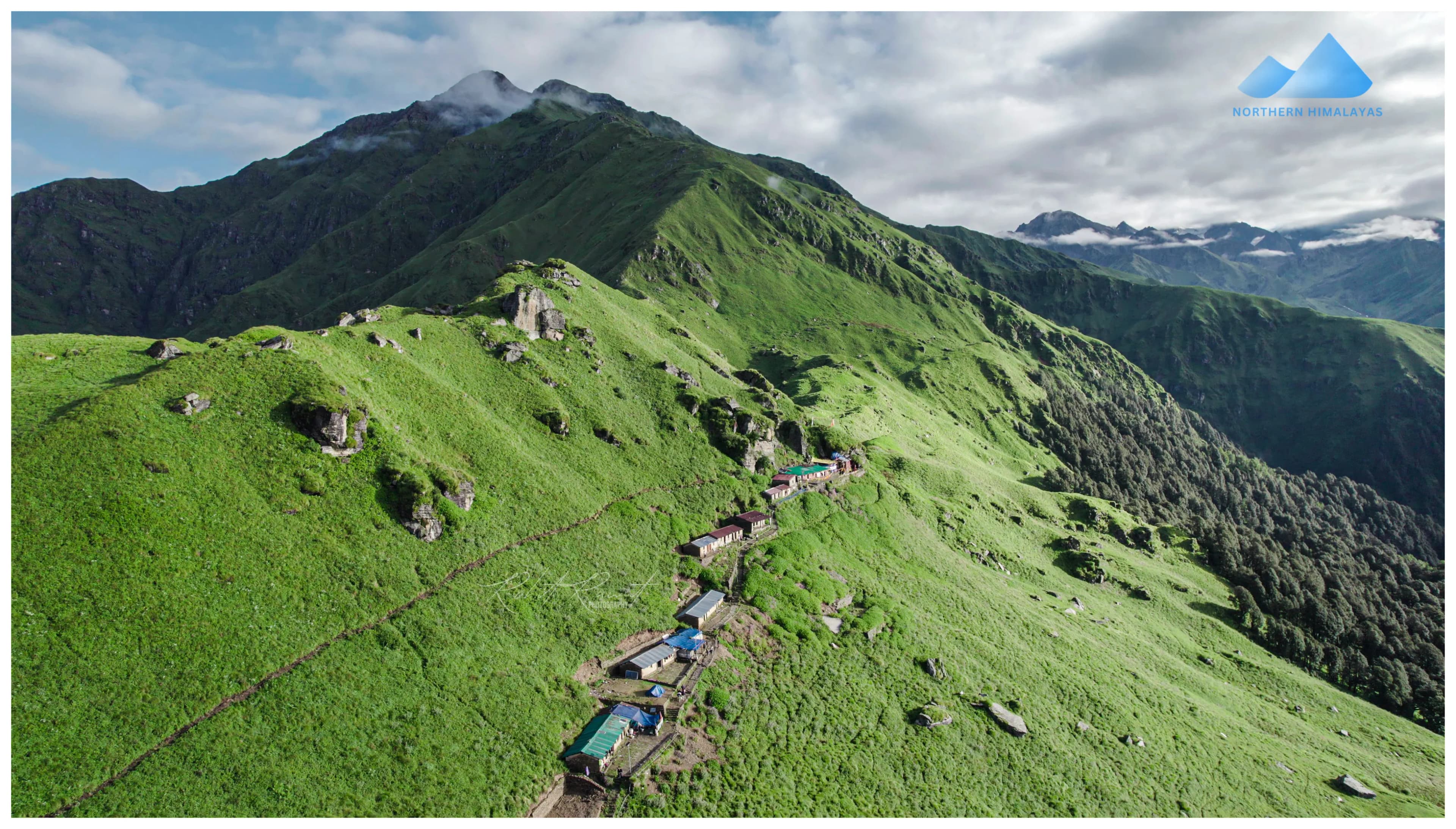
Char Dham Weather Month-by-Month
Breaking the season down month by month gives you a far more useful planning tool than a vague "avoid monsoon" instruction.
May – Pleasant Weather & Peak Pilgrimage Season
May is one of the best months for the Char Dham Yatra. The temples reopen after winter, the weather is pleasant, and roads are usually in good condition. Days are comfortable for sightseeing and trekking, while nights remain cool at higher altitudes.
Since this is the start of the pilgrimage season, it is also the busiest month. Hotels, helicopter tickets, and transport get booked quickly, so it is best to make reservations well in advance.
June – Warm Days with Increasing Chances of Rain
June starts much like May but shifts noticeably by the second half of the month as monsoon clouds begin building. Early June still offers largely stable conditions, while late June sees increasingly frequent showers and the first signs of the heavier rain to come.
This makes June a genuine transition month worth timing carefully — the first two to three weeks are considerably safer and more predictable than the final week, which effectively bleeds into July's monsoon intensity. If you're set on a June trip, aim for the earliest dates possible within the month.
July – Heavy Rainfall & High Landslide Risk
July is peak monsoon, and it's worth being direct about this rather than softening it: this is genuinely the highest-risk month for landslides, road blockages, and sudden weather-related disruptions on the entire route. Rainfall here isn't a light, manageable drizzle — it often arrives in intense, sustained bursts capable of destabilising already-saturated hillsides within hours.
Pilgrims travelling in July should treat this month as requiring maximum preparation — flexible itineraries, real-time weather monitoring, and complete acceptance that delays are a realistic possibility, not a rare exception. This doesn't mean July travel is impossible, but it does mean going in with eyes open rather than hoping for the best.
August – Peak Monsoon Challenges
August typically continues July's intensity, and in many years matches or exceeds it in total rainfall. Roads that were repaired after a July landslide can face fresh damage in August, since the extended duration of the monsoon means hillsides rarely get a long enough dry stretch to fully stabilise between rain spells.
This cumulative effect is worth understanding: it's not just about how hard it's raining today, it's about how many consecutive weeks of saturation the terrain has already absorbed. By August, slopes across the region are often at their most vulnerable point of the entire year, which is exactly why administrative caution — road closures, yatra pauses — tends to peak during this month too.
September – Clear Skies & Best Post-Monsoon Conditions
September marks a genuine, welcome shift, with rainfall intensity dropping noticeably as the month progresses, especially from mid-September onward. Skies clear considerably, offering some of the best mountain visibility of the entire season, and road conditions stabilise as repair crews finally get sustained dry stretches to work with.
This makes September, particularly its second half, one of the most underrated windows for this yatra — combining reasonable weather stability with noticeably thinner crowds than the May-June peak. For pilgrims with flexible scheduling, this is often the smartest overall choice.
October – Cool Weather Before Temple Closure
October is one of the best months for the Char Dham Yatra. The weather is cool and dry, skies are usually clear, and the chances of rainfall are very low. Road conditions are generally stable, making travel more comfortable than during the monsoon.
The Char Dham temples usually close around Diwali or Bhai Dooj, which typically falls between late October and early November. The exact closing dates are announced every year by the respective temple committees based on the Hindu calendar. If you're planning an October trip, it's best to travel in early or mid-October. This gives you enough time to complete the yatra before the temples close and before higher-altitude areas like Kedarnath and Badrinath start receiving early snowfall.
Seasonal Comparison – Summer vs Monsoon vs Post-Monsoon vs Winter
The table below compares each travel season to help you choose the right time for your pilgrimage.
|
Season |
Months |
Weather |
Crowd Level |
Road Conditions |
Helicopter Reliability |
Best For |
|
Summer (Peak Season) |
May to Mid-June |
Pleasant and mostly clear |
Very High |
Good and stable |
Excellent |
First-time pilgrims, families, and senior citizens |
|
Monsoon |
Late June to Early September |
Heavy rain and unpredictable weather |
Moderate |
Landslides and road delays possible |
Moderate to Low |
Flexible travellers who can handle delays |
|
Post-Monsoon |
Mid-September to October |
Clear skies, cool weather |
Low to Moderate |
Stable and safe |
Excellent |
Travellers looking for the best overall experience |
|
Late Season (Before Temple Closure) |
Late October to Early November* |
Cold, dry, and clear |
Low |
Generally good |
High |
Pilgrims who prefer fewer crowds and don't mind cold weather |
*Temple closing dates vary each year and are usually announced around Diwali or Bhai Dooj according to the Hindu calendar.
Overall, mid-September to mid-October is considered the best time for the Char Dham Yatra. The monsoon has mostly ended, roads are more stable, the weather is pleasant, and there are fewer crowds than during the peak summer season. If you're planning a trip during the monsoon, be prepared for changing weather, possible delays, and the need for a flexible itinerary.
Major Risks of Travelling During Char Dham Monsoon
Understanding these risks specifically, rather than vaguely, is what actually lets you prepare for them instead of just worrying about them.
Landslides & Road Blockages
Landslides are the single most significant monsoon risk on this route, occurring when sustained rainfall saturates steep hillsides until they lose structural integrity. Certain stretches — particularly between Rudraprayag and Kedarnath, and sections of the Gangotri and Yamunotri approach roads — have a well-documented history of monsoon landslides, some severe enough to block roads for days.
This isn't a rare, freak occurrence during peak monsoon months; it's a recurring, predictable seasonal pattern that local authorities actively monitor and plan around. Building genuine flexibility into your itinerary, rather than a fixed day-by-day schedule with no slack, is the single most effective way to handle this risk without it derailing your entire trip.
Flash Floods
Flash floods pose a different but equally serious risk, occurring when intense, concentrated rainfall causes rivers and streams to swell rapidly, sometimes within just an hour or two. Areas near riverbanks, low-lying crossing points, and narrow gorge sections are particularly vulnerable, and water levels can rise dangerously fast with very little advance warning.
Pilgrims should avoid setting up rest stops or waiting near riverbanks during heavy rain, even if the water looks calm at the time, since conditions upstream can change the situation within minutes. Local guides and drivers familiar with specific flood-prone points are genuinely valuable here — this isn't a risk you can judge accurately just by looking at current conditions where you're standing.
Slippery Trekking Trails (Especially Kedarnath)
The Kedarnath trek, covering roughly 18 km each way from Gaurikund, becomes significantly more challenging during rain, with the trail surface shifting from manageable to genuinely slippery within a single downpour. Loose stone sections and muddy stretches both become harder to navigate safely, and pace naturally slows as careful footing takes priority over speed.
This isn't just about discomfort — rushed footing on wet, uneven terrain is one of the leading causes of monsoon-season injuries on this specific trek. Trekking poles, proper grip footwear, and a genuine willingness to slow down rather than push through at your normal pace make a real, measurable difference here.
Reduced Visibility & Travel Delays
Monsoon cloud cover and mist can reduce visibility dramatically, sometimes down to just a few metres on higher-altitude stretches, which directly affects both vehicle travel and trekking safety. Drivers navigating narrow mountain roads with poor visibility need to slow down considerably, which extends travel times well beyond what you'd expect based on distance alone.
This is exactly why rigid, back-to-back itineraries fail so often during monsoon — a drive that normally takes four hours can stretch to six or seven when visibility and road conditions force a slower pace throughout. Building this expectation into your planning from the start prevents the frustration of constantly falling behind an unrealistic schedule.
Health Risks at High Altitude During Rain
Cold, wet conditions at altitude increase the risk of hypothermia, particularly if pilgrims get soaked without adequate dry layers to change into afterward. Combined with the physical exertion of trekking and the already-reduced oxygen levels at altitudes like Kedarnath's 3,500-plus metres, wet cold conditions place genuine additional strain on the body compared to dry-weather travel.
Altitude sickness risk doesn't disappear during monsoon either, and symptoms like headache, nausea, and breathlessness can be harder to distinguish from general monsoon-related exhaustion if you're not paying close attention. Staying warm, dry, and well-hydrated, even when the cold makes drinking water feel unappealing, genuinely reduces combined risk from both altitude and weather exposure.
Is the Kedarnath Trek Safe During Rain?
Yes, the Kedarnath trek can be safe during the rainy season, but only if weather conditions are favourable and you follow official advisories. The 16 km trek from Gaurikund to Kedarnath becomes more challenging during the monsoon because the trail can become slippery, and heavy rain may reduce visibility. Trekking at an altitude of 3,583 metres also requires more energy, especially in cold and wet conditions.
During the monsoon, pony and palki services may be temporarily stopped if the trail becomes unsafe due to heavy rain or landslide risk. This is done to protect both pilgrims and service providers. If you plan to use these services, always check their availability on the day of your trek instead of assuming they will operate as scheduled.
If you are trekking in the rain, wear waterproof trekking shoes with good grip, carry a rain poncho instead of an umbrella, and walk at a steady pace without rushing. Trekking poles can provide extra support on slippery sections, and it is always safer to trek with your family, group, or a local guide rather than walking alone.
Most importantly, know when to postpone your trek. If the local administration has temporarily stopped trekking because of heavy rainfall, landslides, or poor visibility, wait until the route is declared safe again. Spending a few extra hours or even a day at Sonprayag or Gaurikund is always a better decision than taking unnecessary risks. Your safety should always come before sticking to your travel schedule.
Is Char Dham Helicopter Yatra Safe During Monsoon?
Yes, the Char Dham Helicopter Yatra can be safe during the monsoon, but helicopter services depend entirely on the weather. For safety reasons, helicopters only operate when visibility is clear and flying conditions are suitable. Heavy rain, low clouds, strong winds, or fog can lead to delays or cancellations, especially on the Kedarnath route.
During July and August, weather conditions can change quickly. Even if the weather is clear in the morning, flights may be delayed or cancelled later in the day due to sudden rain or poor visibility. These decisions are made by the aviation authorities and pilots to ensure passenger safety.
If you are planning a helicopter yatra during the monsoon, it is highly recommended to keep 1–2 buffer days in your itinerary. This gives you enough flexibility if your flight is postponed because of bad weather. Without extra days, a single cancelled flight can affect your hotel bookings, return journey, and the rest of your travel plans.
Before travelling, regularly check the weather forecast and stay in touch with your helicopter operator for the latest updates. During the monsoon, it is best to keep your schedule flexible and avoid booking connecting flights or trains immediately after your helicopter journey.
Government Guidelines & Safety Measures for Monsoon Travel
Authorities take active, ongoing measures to manage monsoon risk on this route, and understanding what's being done helps you gauge current conditions more accurately.
IMD Weather Alerts
The India Meteorological Department issues region-specific rainfall alerts, typically colour-coded through yellow, orange, and red levels indicating increasing severity, for districts along the Char Dham route. An orange or red alert specifically signals rainfall intense enough to cause real disruption, and these alerts are exactly what often trigger temporary yatra pauses or road restrictions.
Checking IMD forecasts specifically for your route's districts, rather than a generic state-level forecast, gives you a far more accurate picture of what to expect. These alerts update regularly through the season, so a single check while booking your trip isn't enough — recheck close to your actual travel dates.
SDRF & NDRF Rescue Teams
The State Disaster Response Force and National Disaster Response Force maintain active presence along the Char Dham route during monsoon months specifically, positioned at key points to respond quickly to landslides, flash floods, or stranded pilgrims. Their presence reflects how seriously authorities treat monsoon risk on this route, rather than being a sign that danger is unusually high this particular year.
Knowing that these teams are actively stationed and monitoring conditions should offer some genuine reassurance, but it doesn't replace personal caution — rescue response, however capable, still takes time in remote terrain, and avoiding a dangerous situation in the first place remains far better than needing rescue from one.
Medical Screening & Health Advisory
Health screening measures, including basic medical checks at key checkpoints, have become a standard part of Char Dham Yatra administration, aimed at identifying pilgrims who may be at higher risk from the combination of altitude, exertion, and weather-related strain. These checks aren't meant to discourage travel — they're a genuine safety measure that has helped reduce serious medical incidents on the route in recent years.
Pilgrims should carry relevant medical documentation, particularly if managing existing conditions like hypertension or heart issues, since screening staff may need this information to advise appropriately. Being upfront about any health concerns during these checks, rather than downplaying them to avoid delay, is genuinely in your own best interest.
Traffic & Route Monitoring
Local administration actively monitors road conditions along the entire route during monsoon, coordinating temporary closures, one-way traffic systems on landslide-prone stretches, and real-time updates shared through official channels and checkpoints. This monitoring is precisely why road status can change within hours during peak monsoon — a stretch open in the morning might close by afternoon if conditions worsen.
Staying in contact with local checkpoints, your driver, or your tour operator for real-time updates matters more during monsoon than any other season, since relying on information from even a day earlier can be genuinely outdated.
Road Conditions During the Monsoon
Road reliability varies considerably across different stretches of the Char Dham circuit, and knowing the specific weak points helps you plan realistically.
Most Landslide-Prone Areas
Certain stretches carry disproportionately higher landslide risk based on historical patterns — sections along the Rishikesh-Rudraprayag-Kedarnath corridor, parts of the Gangotri approach road through Harsil, and stretches of the Yamunotri route near Jankichatti are among the most frequently affected. These aren't random assumptions; they reflect genuine, repeated patterns documented over multiple monsoon seasons.
Knowing this in advance doesn't mean avoiding these routes entirely, since they're often the only way to reach these shrines, but it does mean treating these specific stretches with extra caution — avoiding travel through them during or immediately after heavy rain spells whenever your schedule allows that flexibility.
Road Repair by BRO & PWD
The Border Roads Organisation and the state Public Works Department work continuously through monsoon season to clear debris and repair damaged stretches, often within genuinely challenging conditions themselves. Their work is reactive by necessity during peak monsoon — a cleared stretch can see fresh damage within days if rain continues, creating an ongoing cycle of repair and re-damage through July and August specifically.
This is worth understanding so you don't interpret a temporary reopening as a permanent "all clear" — road status during peak monsoon should be checked close to your actual travel time, not assumed stable based on an update from even a few days earlier.
Self-Drive vs Hiring a Local Driver During Monsoon
Self-driving during the monsoon can be challenging, especially if you are not familiar with Himalayan roads. Heavy rain, landslides, fog, sharp turns, and narrow mountain roads require extra caution. Many first-time visitors find driving stressful because weather and road conditions can change quickly.
If you're not experienced in mountain driving, hiring a local taxi is usually the safer option. Local drivers travel these routes regularly and understand the road conditions, landslide-prone areas, and weather patterns. They also know when it's safer to wait instead of continuing the journey during heavy rain.
For the Char Dham Yatra, you can consider booking a taxi through Chamoli Taxi Service. Their experienced local drivers are familiar with the Char Dham routes and are accustomed to driving in Himalayan conditions, including the monsoon season. Choosing an experienced local driver can make your journey safer, more comfortable, and less stressful.
What to Do If It Starts Raining During Your Char Dham Yatra
Knowing exactly how to respond in the moment, rather than just understanding the risks abstractly, is what actually keeps you safe when conditions turn.
Stay Calm & Follow Weather Updates
The first, most important step is simply not panicking — sudden rain on a Himalayan route is a routine seasonal occurrence, not automatically an emergency. Check weather updates through official IMD channels or your tour operator immediately, since this tells you whether you're dealing with a passing shower or a more serious, sustained spell that requires actual route changes.
Staying calm also means making clear-headed decisions rather than rushing — many monsoon-related incidents happen not because of the rain itself, but because travellers made hurried, poorly judged decisions trying to outrun or push through worsening conditions.
Avoid Night Travel & Heavy Rainfall
Night travel during monsoon significantly compounds every existing risk — reduced visibility from darkness combines with rain-reduced visibility, and landslide debris is far harder to spot in time to react safely. If heavy rainfall starts while you're travelling, the safest response is almost always to stop at the nearest safe point and wait it out rather than continuing.
This applies even if stopping means arriving at your destination later than planned or missing a scheduled activity. No darshan timing or hotel check-in deadline is worth the increased risk of travelling through active heavy rain or after dark on these specific roads.
Follow Government & Local Administration Instructions
Whatever local authorities or checkpoint staff advise — whether that's a temporary pause, a route diversion, or a full halt — follow it without argument or attempts to negotiate past it. These instructions are based on real-time, ground-level information about conditions you simply don't have access to as a traveller passing through.
Pilgrims sometimes feel frustrated by these delays, especially when the rain visible from where they're standing seems manageable, but conditions just a few kilometres ahead — the stretch authorities are actually responding to — can be dramatically different from your immediate surroundings.
Wait for Official Road Clearance
If a road is closed due to landslide risk or active debris clearance, wait for official confirmation that it's genuinely safe to proceed, rather than following other vehicles that may be taking an unauthorised risk. Official clearance means the specific stretch has been inspected and assessed as currently passable, not just that some other travellers have chosen to attempt it.
This wait can genuinely take hours, occasionally longer for more serious blockages, which is exactly why patience and flexibility matter so much on this route during monsoon. Use waiting time productively — rest, eat, stay hydrated — rather than growing increasingly anxious about lost time.
Keep Buffer Days in Your Itinerary
Building at least two to three buffer days into any monsoon-timed Char Dham itinerary isn't excessive caution — it's realistic planning for a route where weather-related delays are a genuine, common possibility rather than a rare exception. Without this buffer, a single day's delay can cascade into missed onward travel, forfeited hotel bookings, or a genuinely stressful rush to complete the remaining circuit.
Communicate this buffer clearly with your tour operator when booking, and avoid scheduling tight connecting travel — flights or trains booked for the evening you're due to finish the yatra — immediately after your planned return date.
Essential Safety Tips for Char Dham During Monsoon
A safe Char Dham Yatra during the monsoon depends on good planning and following basic safety rules. Simple precautions can help you avoid unnecessary risks and make your journey more comfortable.
Before Starting Your Journey
Before leaving for the yatra:
-
Check the latest weather forecast and road conditions every day.
-
Complete your Char Dham registration in advance.
-
Carry both printed and digital copies of your ID and registration.
-
Book hotels and transport with trusted operators.
-
Pack waterproof clothing, trekking shoes, essential medicines, and a power bank.
-
Keep 1–2 buffer days in your itinerary in case of bad weather or road closures.
While Driving
Driving on mountain roads during the monsoon requires extra care.
-
Drive slowly and avoid speeding on wet roads.
-
Maintain a safe distance from the vehicle in front.
-
Avoid overtaking on blind turns and narrow roads.
-
Never drive at night during heavy rainfall.
-
Stop at a safe place if visibility becomes very poor.
-
If you're not experienced in mountain driving, hire an experienced local driver instead of self-driving.
During the Trek
The Kedarnath trek becomes more difficult during the rainy season.
-
Wear waterproof trekking shoes with good grip.
-
Carry a rain poncho instead of an umbrella.
-
Walk slowly and carefully on slippery sections.
-
Stay with your family, group, or guide.
-
Drink enough water and take short breaks when needed.
-
Follow instructions from local authorities and trek officials.
While Staying at Pilgrim Towns
Choose your accommodation carefully during the monsoon.
-
Stay in trusted hotels or guesthouses.
-
Avoid accommodation located very close to rivers or streams.
-
Keep your phone fully charged every night.
-
Store important documents and electronic devices in waterproof bags.
-
Stay updated with weather and road condition announcements before leaving the next morning.
During Emergency Situations
If heavy rain, landslides, or road closures occur:
-
Stay calm and do not panic.
-
Follow instructions from the local administration, police, SDRF, or NDRF teams.
-
Do not cross blocked roads or flooded areas without official permission.
-
Inform your family about your location if your journey is delayed.
-
Keep emergency contact numbers and a fully charged power bank with you.
-
Wait for official road clearance before continuing your journey. Your safety is always more important than reaching your destination on time.
Packing List for Char Dham During Monsoon
Packing the right items can make your Char Dham Yatra safer and more comfortable during the rainy season. Since the weather can change suddenly, carry only essential items that protect you from rain, cold, and unexpected delays.
Must-Carry Items
Waterproof Clothing
-
Waterproof rain jacket or raincoat
-
Quick-dry T-shirts and trousers
-
Thermal wear for higher altitudes
-
Extra pair of dry clothes packed in a waterproof bag
-
Warm jacket, woollen cap, and gloves
Trekking Shoes with Good Grip
-
Waterproof trekking shoes with anti-slip soles
-
Extra pairs of cotton or woollen socks
-
Avoid regular sports shoes as they become slippery on wet trails.
Rain Protection
-
Rain poncho that covers both you and your backpack
-
Waterproof backpack cover
-
Small umbrella for use in towns or hotel areas
Essential Medicines
-
Personal prescription medicines
-
Basic first-aid kit
-
ORS (Oral Rehydration Salts)
-
Pain relief medicine
-
Bandages and antiseptic cream
-
Altitude sickness medicine (only after consulting your doctor)
Electronics Protection
-
Power bank
-
Mobile charger
-
Waterproof pouch for your phone and documents
-
Zip-lock bags for electronic items
Emergency Supplies
-
Torch or headlamp with extra batteries
-
Energy bars, dry fruits, or biscuits
-
Reusable water bottle
-
Identity proof and Char Dham registration documents
-
Emergency contact numbers (printed and saved on your phone)
-
Small whistle for emergencies
Packing smart helps you stay comfortable even if the weather changes suddenly and ensures you are prepared for any unexpected situation during your yatra.
Health Precautions During the Rainy Season
Monsoon adds specific health considerations on top of the usual high-altitude concerns every Char Dham pilgrim should already be aware of.
Altitude Sickness
Altitude sickness risk doesn't change fundamentally because of the monsoon, but the combination of wet, cold conditions and reduced visibility can make early symptoms — headache, nausea, mild breathlessness — harder to notice and easier to dismiss as general discomfort from the weather. Gradual acclimatisation, adequate hydration despite the cold discouraging water intake, and avoiding alcohol in the days before reaching higher altitudes remain the core preventive steps regardless of season.
If symptoms do appear, treat them seriously rather than pushing through matters even more during monsoon, since worsening weather can complicate both descent and access to medical help if symptoms progress. Informing your group or guide immediately at the first sign of symptoms, rather than trying to power through quietly, is a genuinely important habit.
Cold, Hypothermia & Wet Conditions
Getting soaked at altitude, particularly combined with wind, creates real hypothermia risk even in months that aren't technically "cold" by calendar standards. Wet clothing loses insulating value rapidly, meaning a pilgrim who's been walking in rain for an hour can be considerably colder than the ambient temperature alone would suggest.
Changing into dry clothes as soon as reasonably possible after exposure to heavy rain, rather than waiting until you reach your final overnight stop, genuinely reduces this risk. Recognising early hypothermia symptoms — persistent shivering, confusion, unusual clumsiness — and treating them as a reason to seek warmth and shelter immediately, rather than continuing onward, can prevent a manageable situation from becoming a serious one.
Food & Drinking Water Safety
Monsoon conditions increase the risk of waterborne illness, since water sources can become contaminated by runoff, and food handling hygiene can be harder to maintain consistently at smaller roadside establishments during heavy rain. Stick to bottled or properly boiled water, and choose food from established, busier eateries along the route rather than isolated stalls with uncertain hygiene practices.
Carrying basic rehydration salts and simple digestive medication in your emergency kit is a sensible precaution, since dealing with stomach upset in a remote, weather-affected location is considerably more complicated than managing the same issue at home.
Who Should Avoid Char Dham Yatra During the Monsoon?
Certain groups face meaningfully elevated risk during monsoon specifically, and honest guidance here matters more than encouraging everyone to travel regardless.
Senior Citizens
Senior citizens face compounded risk during monsoon from the combination of slippery terrain, unpredictable delays, and the physical strain of navigating disrupted travel plans on top of the yatra's existing demands. If travel during this window is unavoidable, we'd strongly recommend the helicopter option for Kedarnath specifically, along with built-in extra rest days and travel with a companion who can advocate for pace adjustments as needed.
Families with Young Children
Young children generally struggle more with the combination of long delays, unpredictable schedule changes, and physically demanding trekking sections that monsoon conditions make even more challenging. Families with children below school age, in particular, may find a monsoon-timed yatra genuinely difficult to manage comfortably, and postponing to a more stable season is often the more enjoyable choice for everyone involved.
Heart & Respiratory Patients
Existing heart or respiratory conditions carry elevated risk at high altitude in any season, and monsoon's combination of cold, wet conditions and physical exertion adds meaningful additional strain. Pilgrims managing these conditions should consult their doctor specifically about monsoon-season high-altitude travel, carry all relevant medication and medical documentation, and strongly consider helicopter options over trekking wherever possible.
Pilgrims with Limited Mobility
Limited mobility makes navigating wet, uneven, and sometimes rapidly changing terrain considerably more challenging and genuinely riskier during monsoon than in dry conditions. Pony, palki, or helicopter alternatives become even more important considerations for this group, though as covered earlier, these services themselves can face monsoon-related disruptions, so realistic backup planning matters here too.
Best Time to Visit Char Dham If You Want to Avoid Rain
If avoiding monsoon risk entirely is your priority, timing your trip around these specific windows gives you the most stable experience.
May–June (Pre-Monsoon)
May and early June are among the best months for the Char Dham Yatra. The weather is generally pleasant, roads are in good condition, and the chances of heavy rain are very low. This is an ideal time for first-time pilgrims, families, and senior citizens. Since it is the peak pilgrimage season, book your hotels, transport, and helicopter tickets well in advance.
September–October (Post-Monsoon)
Mid-September to mid-October is another excellent time to visit Char Dham. By this time, the monsoon has mostly ended, the weather becomes clear, and the mountain views are spectacular. Roads are usually more stable, and there are fewer crowds compared to May and June, making the journey more peaceful and comfortable.
Best Time for Helicopter Yatra
If you are planning a Char Dham or Kedarnath helicopter yatra, the best time is May to early June or mid-September to October. During these months, clear weather improves flight operations and reduces the chances of delays or cancellations caused by rain, fog, or poor visibility.
Frequently Asked Questions
Is Char Dham Yatra safe in July?
July carries genuine risk due to peak monsoon rainfall and elevated landslide potential, but travel remains possible with proper preparation — flexible itineraries, experienced local drivers, and close monitoring of weather and road updates. It's not the safest month, but it isn't automatically unsafe with the right precautions.
Is August a good time for Char Dham?
August typically matches or exceeds July's rainfall intensity, making it one of the more challenging months for road conditions and trek safety. If your schedule allows flexibility, September or October generally offer a noticeably safer, more comfortable alternative.
Which Char Dham route is most affected by rain?
The Kedarnath route, particularly the Rudraprayag-to-Kedarnath corridor and the trekking stretch from Gaurikund, tends to see the most frequent monsoon-related disruptions, though the Gangotri and Yamunotri approach roads also have documented landslide-prone sections.
Can helicopters fly during heavy rain?
No, helicopters require clear visibility and stable wind conditions to operate safely, and monsoon weather frequently causes delays or cancellations. Pilgrims relying on helicopter transport during monsoon should build buffer days into their itinerary to absorb potential weather-related disruptions.
Are Char Dham roads closed every day during monsoon?
No, roads aren't closed continuously, but temporary closures due to landslides or active repair work are common and unpredictable during peak monsoon months, particularly July and August. Checking real-time road status close to your actual travel date is essential.
Is the Kedarnath trek safe during rain?
The trek remains manageable with proper precautions — grip footwear, trekking poles, conservative pacing, and staying with a group or guide — but becomes genuinely risky during heavy, active rainfall. Postponing the trek by a few hours or a day when conditions are actively worsening is always the safer choice.
What happens if landslides block the road?
Local authorities, along with BRO and PWD teams, work to clear debris and assess safety before reopening the affected stretch, a process that can take anywhere from a few hours to a couple of days depending on severity. Pilgrims are expected to wait for official clearance rather than attempting to pass through unofficially.
Can senior citizens travel during monsoon?
Senior citizens can travel with careful planning, though monsoon adds meaningful risk from slippery terrain and unpredictable delays. We'd recommend helicopter options for Kedarnath specifically, extra buffer days, and consulting a doctor beforehand about high-altitude travel suitability.
Should I keep buffer days in my itinerary?
Yes, absolutely — at least two to three buffer days are strongly recommended for any monsoon-timed Char Dham itinerary, since weather-related delays are a realistic, common possibility rather than a rare exception during July, August, and early September.
What is the safest month for Char Dham Yatra?
September and October, particularly the second half of September onward, generally offer the safest combination of stabilising road conditions, clearer weather, and thinner crowds compared to both peak summer and peak monsoon months.
What should I pack for a Char Dham Yatra in the rainy season?
Pack a waterproof jacket, quick-dry clothing with a dry backup set, grip trekking shoes, a poncho and backpack rain cover, essential medicines in a waterproof pouch, and electronics protection like sealed dry bags for your phone and power bank.