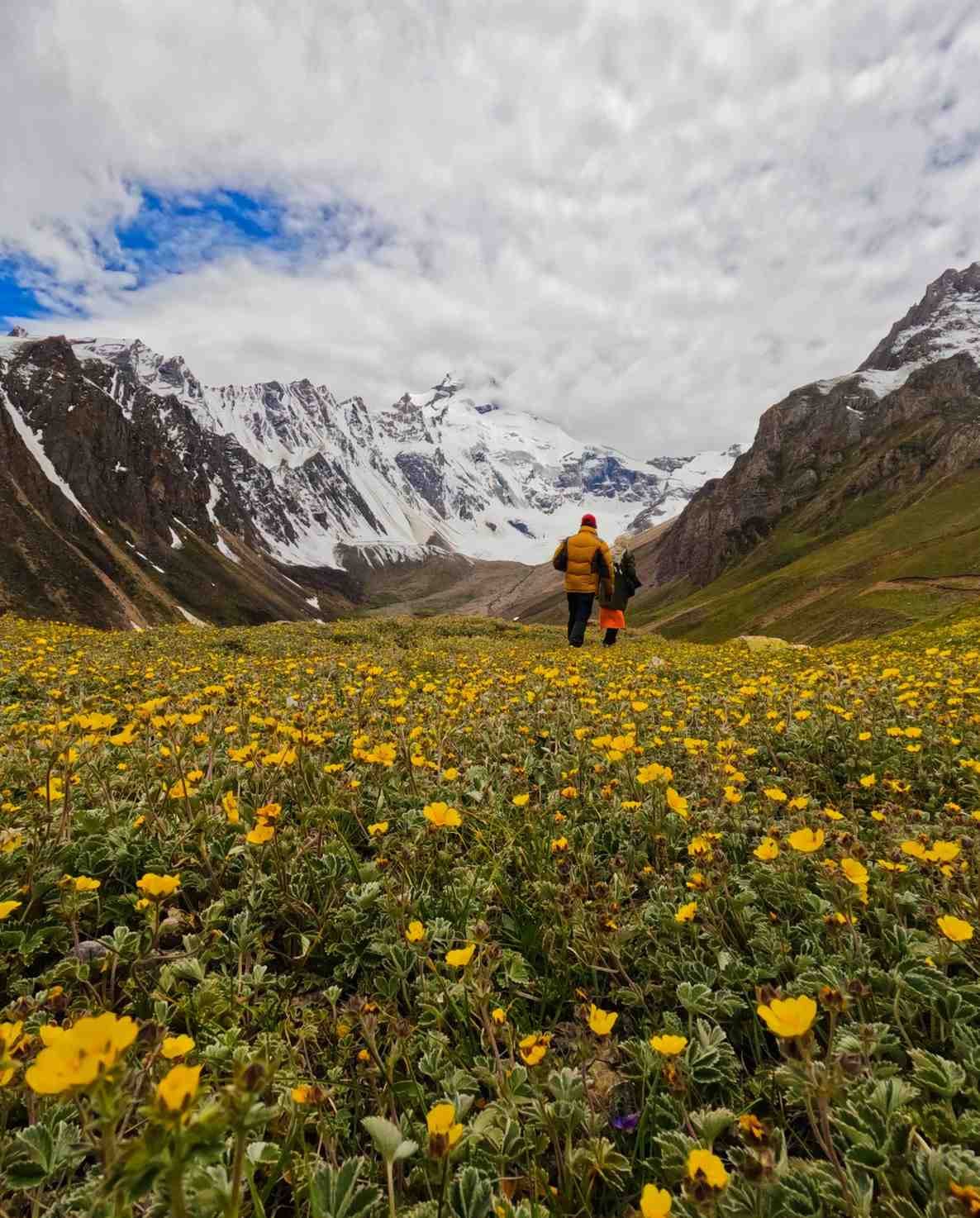
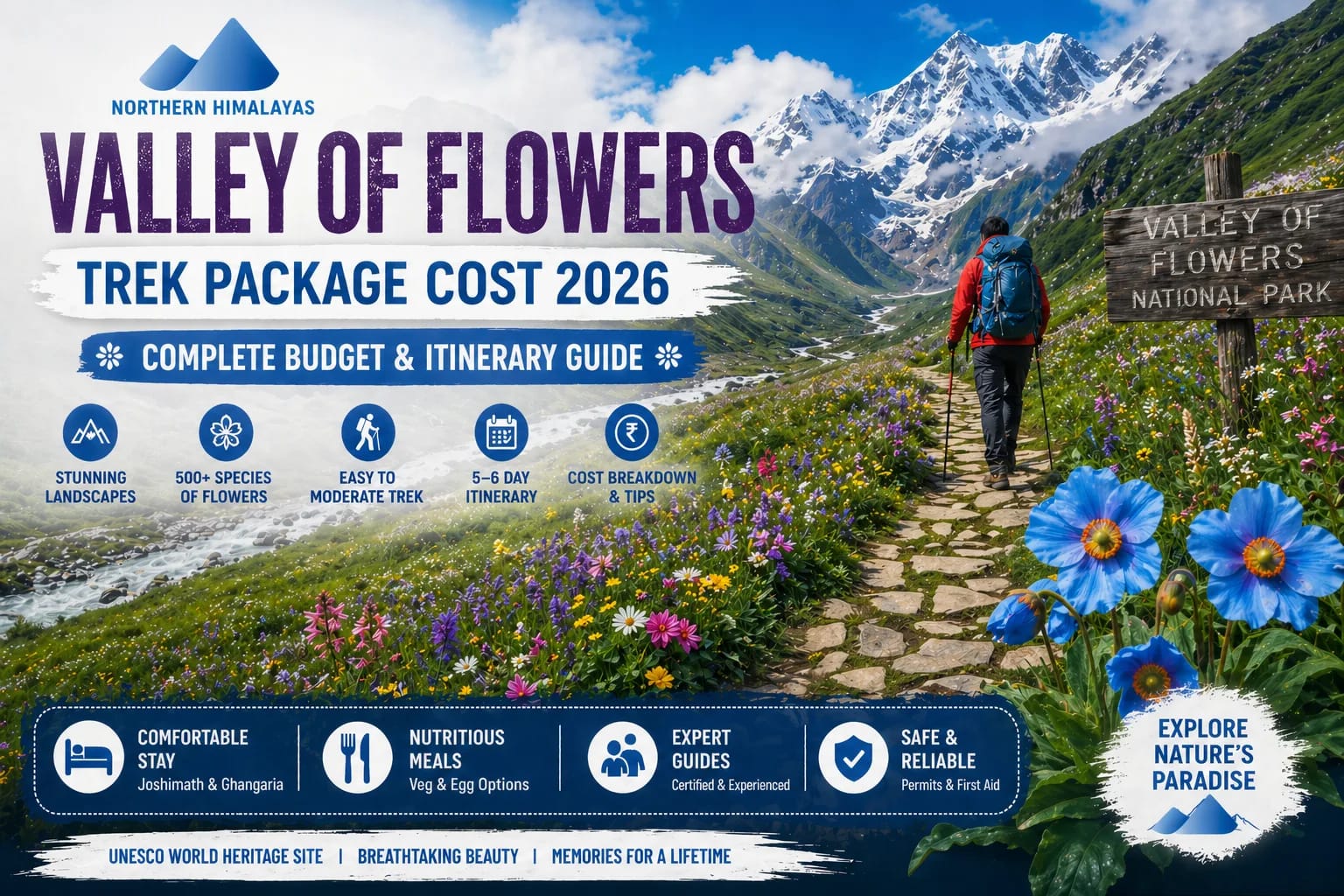
Imagine walking through a quiet mountain trail, and suddenly the path opens into a valley filled with thousands of colorful flowers and white waterfalls. Clouds move slowly, fresh mountain air all around, and snow-covered peaks standing in the background. That’s the feeling people talk about when they mention the Valley of Flowers trek.
But before planning, most people have doubts:
- Is it really that beautiful or just social media hype?
- Will I see flowers if I go at the wrong time?
- Is it too difficult for beginners for VOF trek ?
- These questions are completely normal.
The reality is, this trek can be an unforgettable experience—but only if you understand what to expect. It’s not just about flowers; it’s about the complete experience of walking through a unique Himalayan landscape.
In this blog, you’ll find 5 genuine reasons to visit the Valley of Flowers National Park, along with practical tips on timing, difficulty, and planning—so you can decide if this trek is truly right for you.
Things Make the Valley of Flowers Trek So Special
The valley of flowers trek isn't just another Himalayan hike; This unique positioning creates a landscape that changes almost hourly. While other treks offer static views of snow, this valley offers a living, breathing canvas.
Unique Biodiversity of Valley of Flowers National Park
The biggest reason why the Valley of Flowers stands out is its unmatched biodiversity. Located inside the Nanda Devi Biosphere Reserve, this region hosts over 510 species of alpine flowers, many of which are rare and endemic.
Unlike other treks where scenery stays similar, here the landscape keeps changing:
- One section may have purple Himalayan bellflowers
- Another area bursts into yellow and white blooms
- You may even spot rare species like Blue Poppy or Brahma Kamal (at higher altitudes near Hemkund)
👉 Real insight: The flowers don’t bloom all at once. The flowers in valley keeps changing week by week , which means every visit is slightly different.
This biodiversity is also why strict rules exist:
No plucking flowers
No camping inside the park
Limited entry hours - ( 7.00 Am to 4 Pm)
These rules help preserve what makes this place truly special.
Scenic Landscapes and Changing Terrain
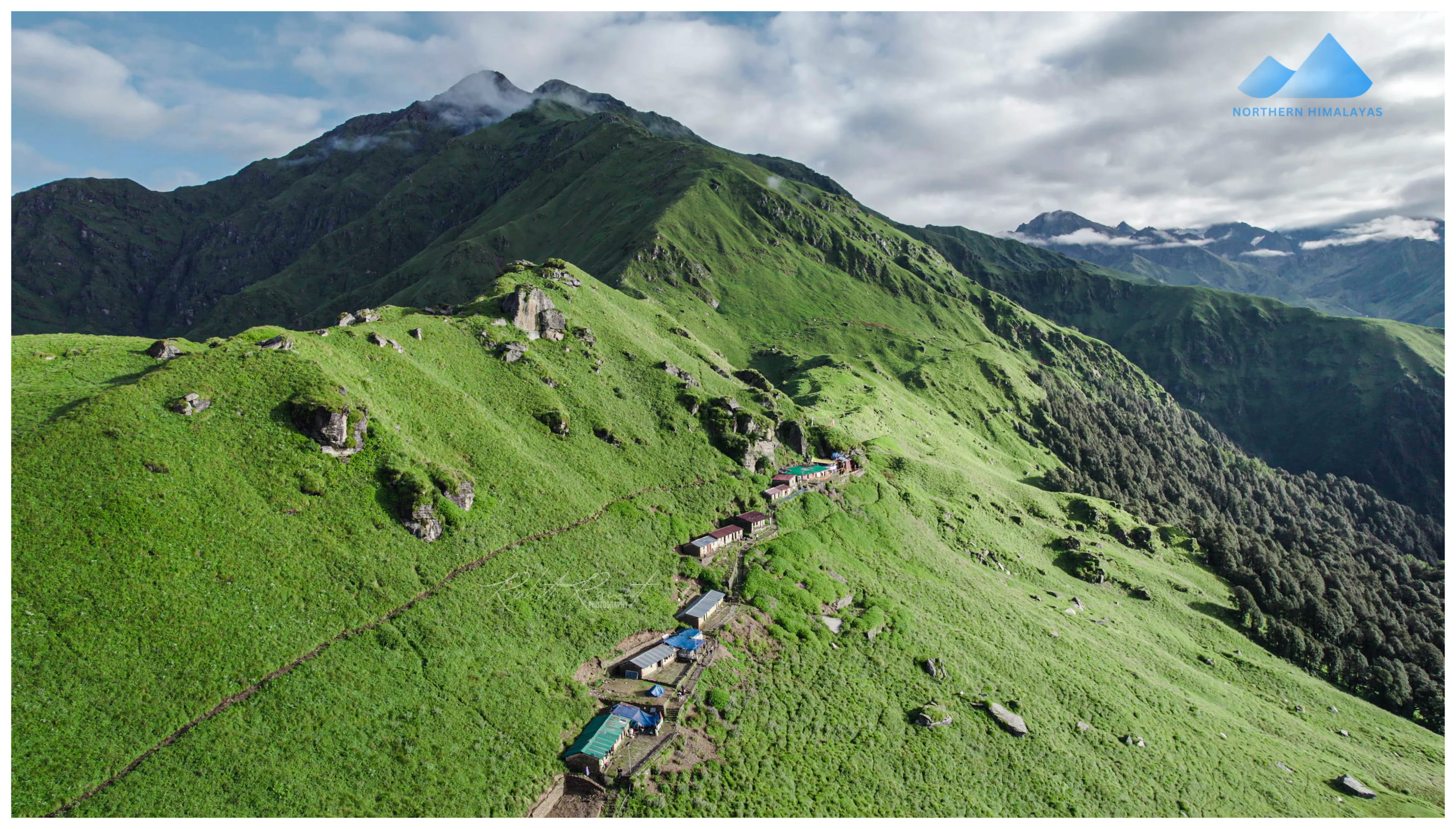
The journey begins at the bustling Alaknanda river in Govindghat and transforms into a lush, green corridor as you move toward Ghangaria. The terrain is a mix of dense forest canopies, rocky riverside paths, and finally, the expansive glacial meadows of the valley itself.
What makes it special is the transition. One moment you are crossing a bridge over the roaring Pushpawati River, and the next, you are standing in a meadow so silent you can hear the wings of a Himalayan Monal. The trail is a masterclass in Himalayan geography, showcasing everything from cascading waterfalls to massive glaciers that feed the valley's ecosystem.
The Unique Microclimate of the Bhyundar Valley
The Bhyundar Valley, which houses the park, enjoys a microclimate that is distinct from the surrounding regions of valley of flowers uttarakhand. Even when the rest of the state might be experiencing heavy, disruptive monsoons, the valley often remains tucked away in a soft, misty shroud that provides the perfect moisture for the flowers to bloom.
This humidity, combined with the intense UV rays of high altitude, creates colors so saturated they look photoshopped. The mist acting as a natural diffuser makes this the "Goldilocks zone" for photography—the light is almost always soft, even at noon, allowing the intricate details of the petals to stand out against the deep green slopes.
A Fragrance That Only Exists at 11,000 Feet
There is a specific scent associated with the valley of flowers trek that hits you as you cross the final ridge into the meadows. It is a mix of damp earth, wild thyme, and the sweet, heavy perfume of the Himalayan Balsam.
For many trekkers, this is the most memorable part of the experience. Science tells us that smell is the sense most closely linked to memory; years later, a whiff of rain on wild grass will transport you right back to that meadow. This isn't a scent you can bottle—it requires the thin, crisp air of 11,000 feet and the presence of millions of wild blooms to exist.
Reason 1: Experience a UNESCO World Heritage Site in Valley of Flowers National Park
The Global Significance of this Alpine Meadow
In 2005, the valley of flowers national park was added to the UNESCO World Heritage list as an extension to the Nanda Devi National Park. This isn't just a fancy title; it signifies that this area is of "Outstanding Universal Value."
The park is recognized for its meadows of endemic alpine flowers and the outstanding natural beauty of its landscape. For a trekker, this means you are walking through a highly regulated, pristine environment. There are no plastic bottles allowed, no overnight camping within the meadows, and no permanent structures. This level of protection ensures that the valley you see today looks almost identical to the one Frank S. Smythe discovered in 1931.
Protecting the Rare Flora and Fauna of the Nanda Devi Biosphere
The Valley of Flowers is part of the Nanda Devi Biosphere Reserve, a protected area that supports a wide range of rare plants and wildlife. This region plays an important role in maintaining the natural balance of the Himalayas.
When you visit the valley, you are also contributing—indirectly—to these conservation efforts managed by the Uttarakhand Forest Department. That’s why there are strict rules in place.
For example:
You must exit the park by around 5:00 PM
No staying overnight inside the valley
No picking flowers or disturbing the environment
These rules are not just restrictions—they help protect the ecosystem and allow animals to move freely at night without human disturbance.
Reason 2: Witness One of the Most Beautiful Flower Valleys in India
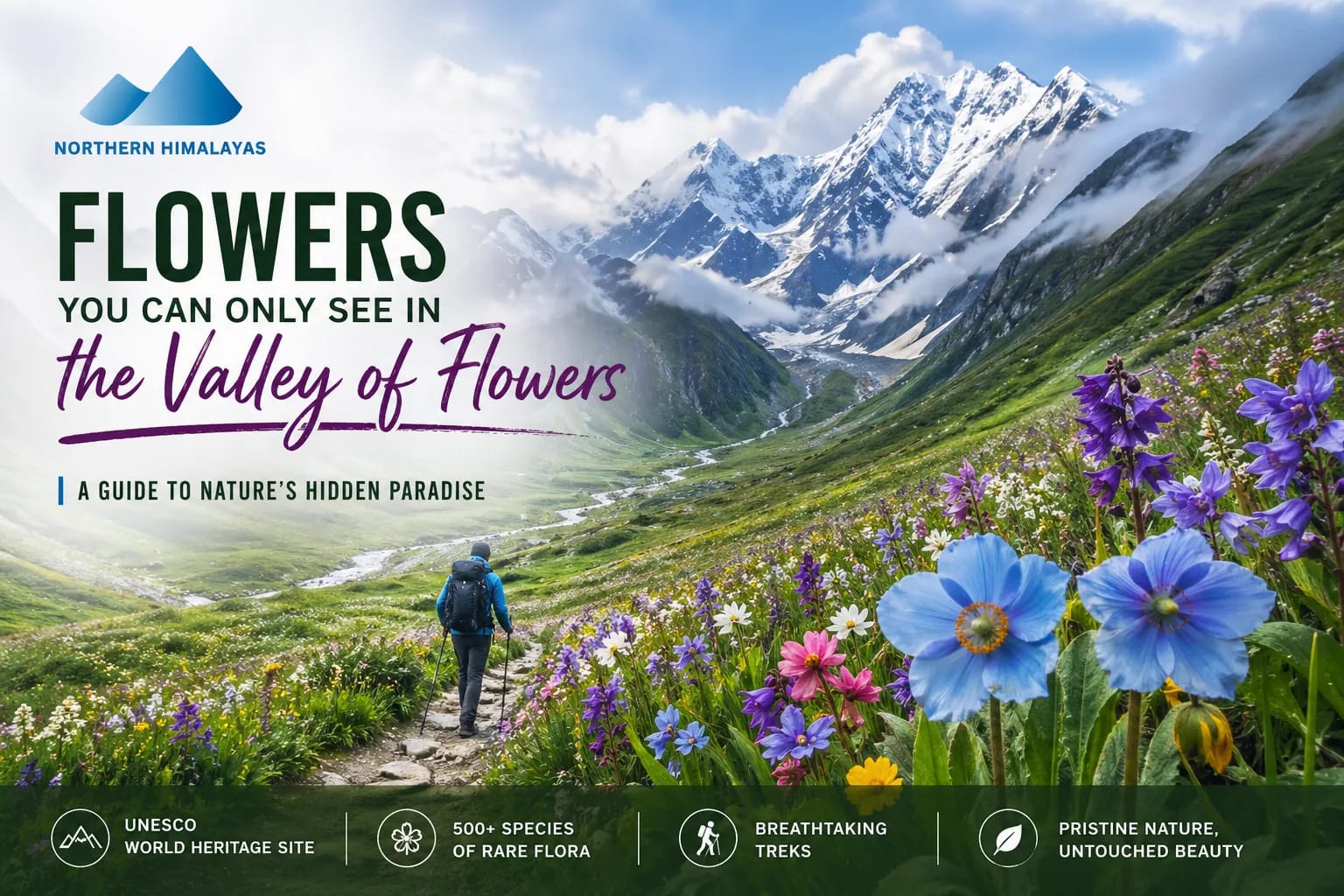
Over 500 Species of Wildflowers (Blue Poppy, Brahma Kamal, and more)
During peak season, the valley transforms into a natural carpet of flowers.
Common species you may see:
Blue Poppy
Cobra Lily
Himalayan Bellflower
Brahma Kamal (near Hemkund Sahib)
👉 Important:
You won’t see all flowers everywhere. Different sections bloom different time and different area or zone.
This makes the trek feel like walking through multiple mini ecosystems.
The Ever-Changing Colors of the Valley Floors
The valley never looks the same two weeks in a row.
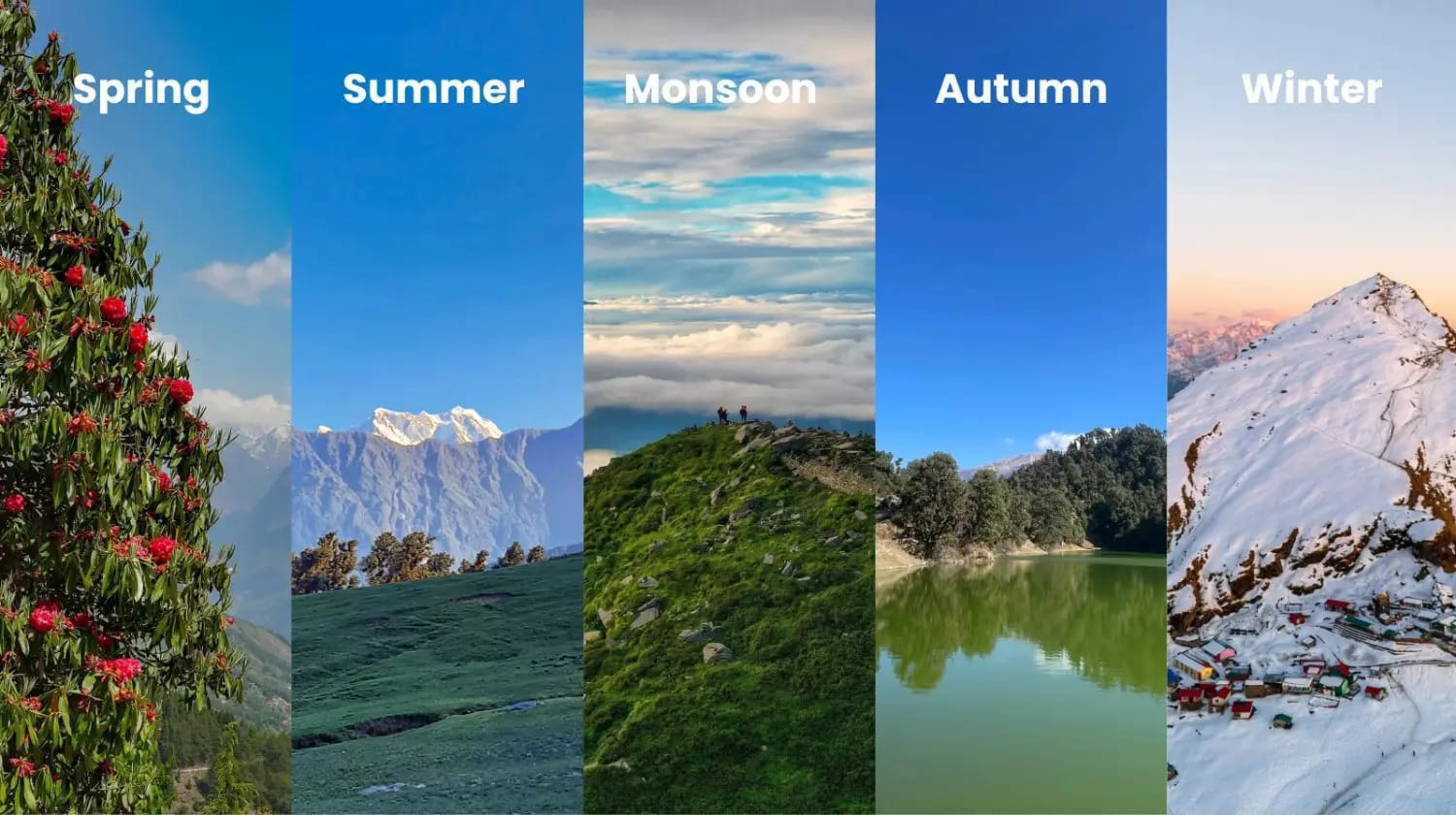
Early July: Dominated by shades of white and cream as the snow melts.
August: The "color explosion" month where pinks and purples take over.
September: The valley turns a deep, rusty gold as the plants prepare for the winter sleep.
If you visit in mid-August, you might see a sea of pink; if you return three weeks later, that same patch could be bright yellow. This "floral succession" is a biological phenomenon that makes every trip unique.
Reason 3: A Beginner-Friendly Himalayan Trek with Scenic Rewards
Well-Paved Trails and Manageable Incline
The valley of flowers trek is considered beginner-friendly—but don’t mistake that for easy.
Details:
Total trek distance: ~38 km (round trip)
Gradual incline
Well-defined trail
👉 Ground reality:
Day 1 trek to Ghangaria (~10 km) can feel tiring
Oxygen is lower (~10,000+ ft)
So while technical difficulty is low, stamina is still required.
The Luxury of Guesthouse Accommodation vs. Camping
Unlike most Himalayan treks:
👉 You don’t camp here
You stay in:
Guesthouses
Budget hotels in Ghangaria
Benefits:
Better sleep
No need to carry heavy gear
Suitable for beginners
Limitation:
Basic facilities
No luxury expectations
Reason 4: Stunning Views of Himalayan Peaks and Landscapes
Glacial Streams and Gushing Waterfalls Along the Route
Water is the lifeblood of this trek. As you walk, you are never far from the sound of the Pushpawati River. During the peak best time to visit valley of flowers uttarakhand (July-August), the mountainsides literally weep with water.
You will pass dozens of nameless waterfalls that tumble down hundreds of feet from the glaciers above. Crossing these streams over sturdy wooden bridges or stones is a highlight of the daily walk. The water is so pure and cold it feels like liquid ice, a perfect refresher for a tired trekker.
Panoramic Vistas of the Greater Himalayas
While your eyes are often on the flowers at your feet, don't forget to look up. On clear days, you are treated to views of Gauri Parvat, Hathi Parvat, and Saptshring. These peaks, standing at over 20,000 feet, provide a dramatic, snow-capped contrast to the lush green valley. The scale is humbling; it reminds you exactly how small we are in the grand scheme of the Himalayan range.
Reason 5: Combine the Trek with Hemkund Sahib for a Unique Experience
The High-Altitude Glacial Lake at 14,107 Feet
The hemkund sahib trek is the perfect spiritual and physical sibling to the Valley of Flowers. Located just 6km from Ghangaria, but at a much higher altitude, this trek takes you to a crystal-clear glacial lake surrounded by seven snow peaks.
The water is so still it acts as a perfect mirror for the sky. Even if you aren't religious, the sight of the world's highest Gurudwara standing silently beside this turquoise lake is enough to move you to tears. It is a test of endurance, but the reward is a sense of peace that is hard to find elsewhere.
Expect:
Steep incline
Lower oxygen
Cold conditions
A Spiritual Confluence for Trekkers and Pilgrims
Hemkund Sahib is not just a trek—it’s a spiritual destination.
You’ll see:
Pilgrims climbing with dedication
Gurudwara near glacial lake
Peaceful, silent environment
👉 Even non-religious trekkers find this experience powerful.
Best Time to Visit Valley of Flowers Uttarakhand for Maximum Bloom
July–August: Peak Flower Season
This is the best time to visit valley of flowers uttarakhand if your primary goal is to see the maximum variety of flowers.
Pros: Full bloom, lush greenery, waterfalls at their peak.
Cons: Heavy rain, potential for road blocks, and crowded trails. You must be prepared to trek in a poncho every day, but the visual reward is at its absolute zenith during this window.
June and September: Shoulder Months
June: The valley is just waking up. You will see more snow patches and the first few species of flowers. It's great if you want to avoid the heavy rains.
September: The rains recede, and the skies clear up. The flowers are fewer, but the views of the distant peaks are much sharper. The valley turns a beautiful shade of yellowish-brown.
Weather Conditions and Trekking Impact
Monsoon trekking requires a specific mindset. It will be humid, your clothes might not dry, and the trail can be slippery. However, the rain is what makes the valley possible. Without the monsoon, there are no flowers. Embrace the wetness, invest in good gear, and the weather becomes part of the adventure rather than a hurdle.
Planning Your Journey: How to Reach Valley of Flowers National Park
Route from Rishikesh/Haridwar to Govindghat
Your journey typically starts at Rishikesh or Haridwar. It is a long, 10–12 hour drive (275 km) through the winding roads of the Garhwal Himalayas. You will follow the Alaknanda River upstream, passing the famous Prayags (confluences) like Devprayag and Rudraprayag.
Pro Tip: Start by 5:00 AM to reach Govindghat before dark, as mountain roads can be unpredictable during the monsoon.
Trek Route from Govindghat to Ghangaria
From Govindghat, you take a 4km taxi ride to Pulna. From Pulna, the real trek begins. It is a 9km gradual ascent to Ghangaria.
Terrain: Stone-paved, busy with mules and pilgrims.
Duration: 5–7 hours depending on your pace. This is the day where you need to manage your energy and stay hydrated, as Ghangaria sits at 10,000 feet.
Essential Trekking Gear and Fitness Tips for Beginners
Layering for the Monsoon: Ponchos and Waterproof Gear
Carry:
Poncho
Waterproof shoes
Extra socks
Why:
Continuous rain
Wet conditions
Pre-Trek Fitness: Building Stamina for High Altitude
Start 3–4 weeks before:
Walking/running (3–5 km daily)
Stair climbing
Light strength training
Valley of flowers trek package guide
Packages usually include:
Stay
Food
Guide
Cost:
👉 ₹8,000–₹14,000
Why Trekkers Prefer Local Experts Like Northern Himalayas
During the peak season of the valley of flowers trek (July–August), local operators like Northern Himalayas run daily batches, which makes planning much easier for trekkers. You don’t have to wait for fixed dates—just choose your preferred schedule as per your convenience and join a group.
Since they operate regularly in Valley of Flowers Uttarakhand, they are well familiar with:
Route conditions and weather changes because this VOF trek runs in peak monsoon durations, their are higher chances of road block and landslides.
Accommodation availability in Ghangaria
Daily trek flow and timing
This helps in smooth coordination, especially during crowded months when last-minute arrangements become difficult.
Another advantage is their affordable pricing:
Their Packages usually start from ₹8,000–₹13,000. These packages generally include stay, meals, and basic trek support, making them the best option for beginners and budget travelers.
Frequently Asked Questions About the Valley of Flowers Trek
1. Is Valley of Flowers trek suitable for beginners?
Yes, it’s beginner-friendly but requires basic stamina due to long walking distances.
2. How many days are required?
Typically 4–6 days including Hemkund Sahib.
3. Is a guide necessary?
Not mandatory, but helpful for first-timers.
4. Can you visit without a package?
Yes, many trekkers do it independently.
5. What is the best time to visit Valley of Flowers Uttarakhand?
Late July to mid-August for peak bloom.